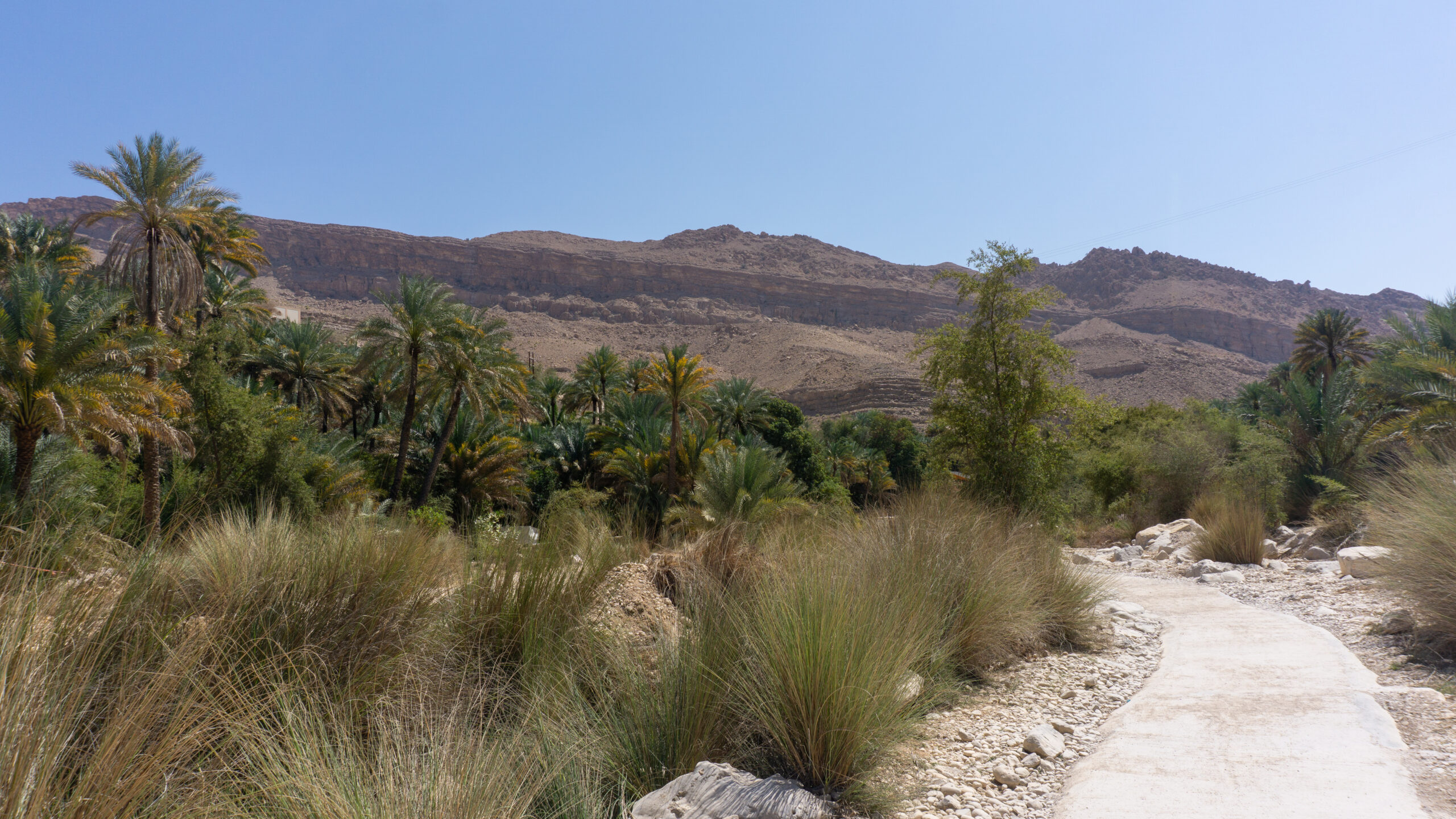
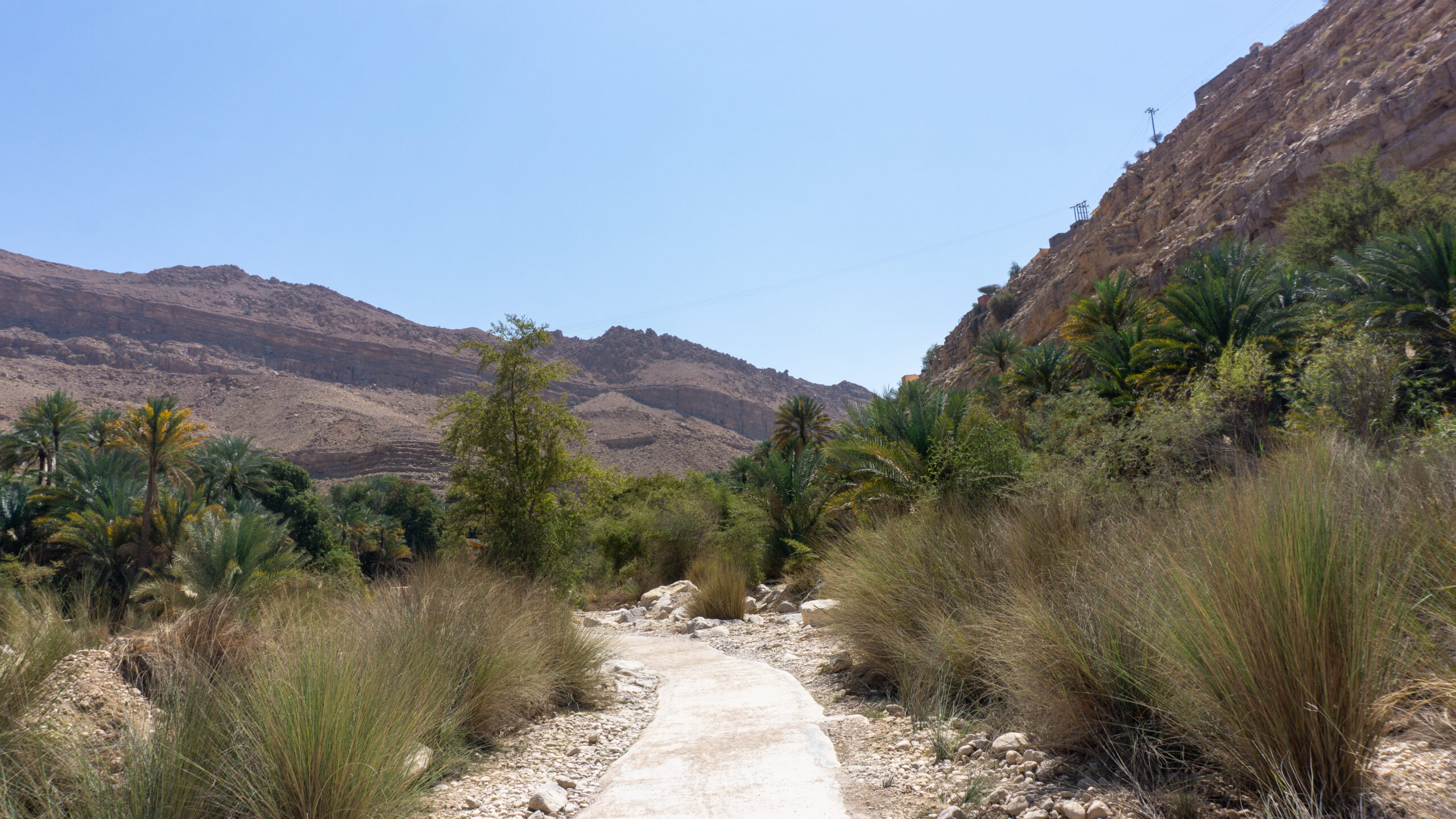
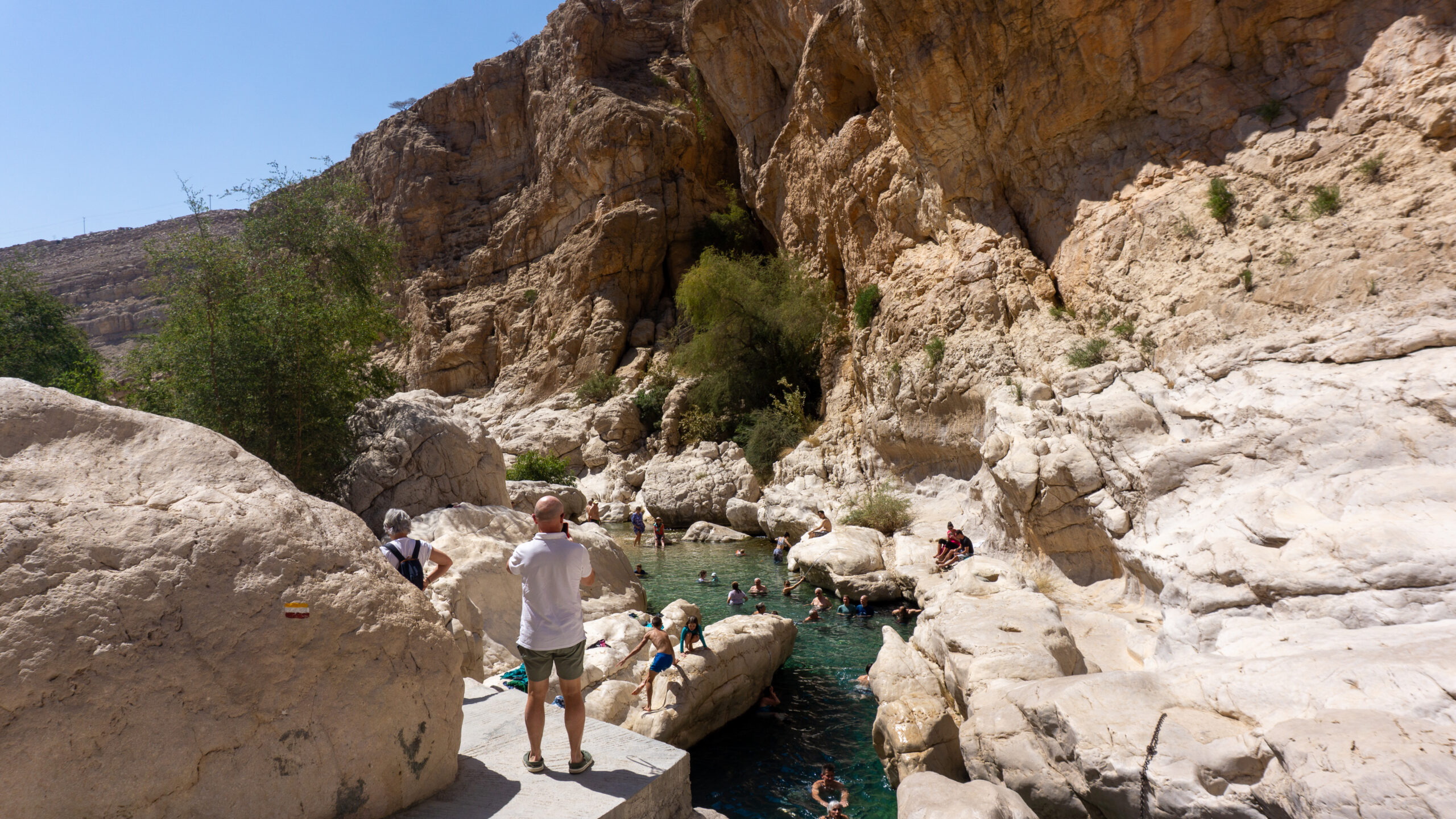
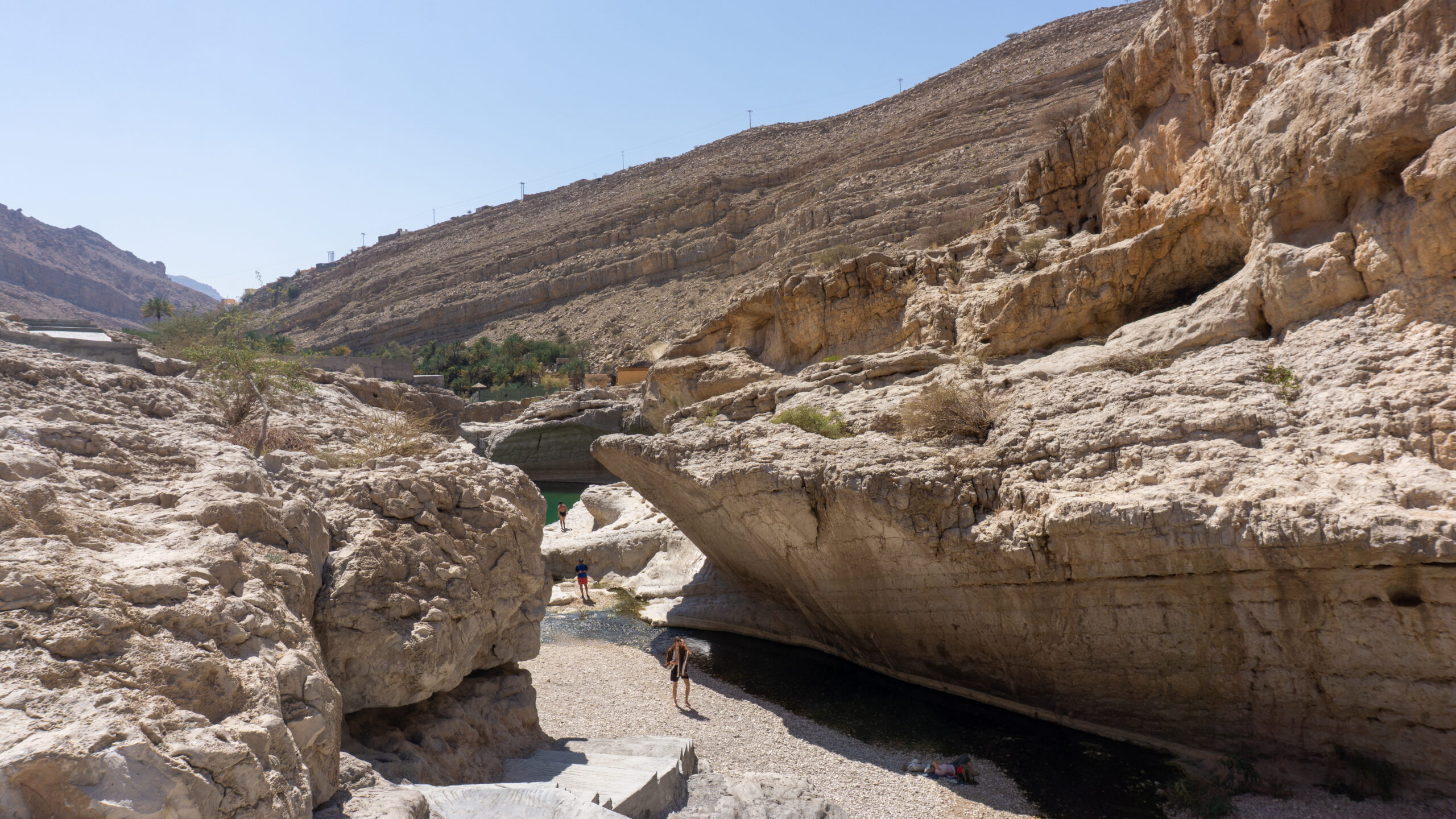
Having explored the north around Muscat at a relaxed pace, today we’re heading to the south of the country. On today’s programme: drive back to Muscat, clean the rental car, get on the plane, pick up the rental car in Salalah and check in at our place in Mirbat. In short: everything went smoothly, and we’re thrilled with our place (Roushan Resort), which we’ve booked for 3 days for now.
In Salalah, relaxing is at the very top of the list. One or two trips are planned. First of all we’re arriving and looking forward to a great time in the south of Oman.
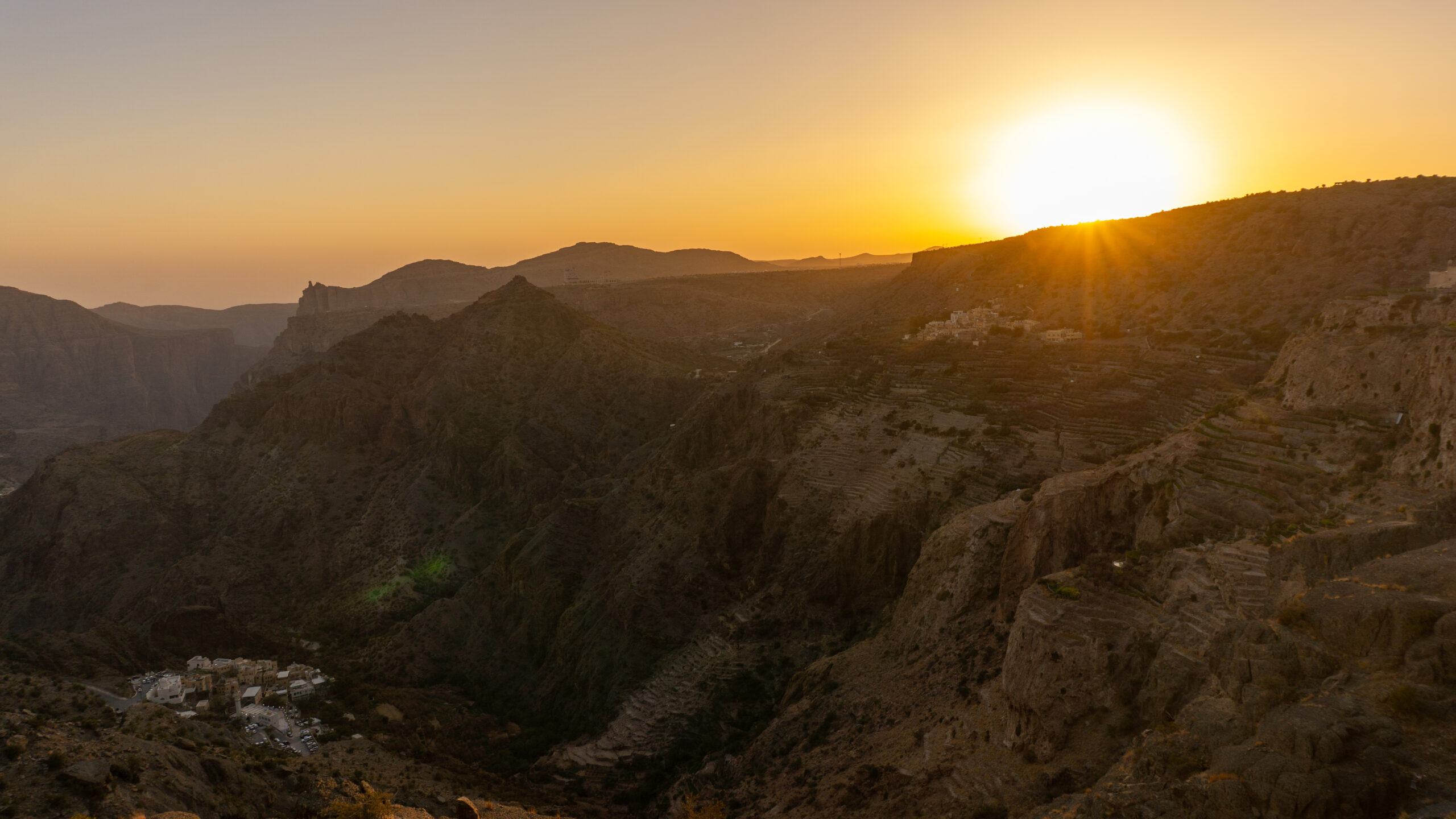
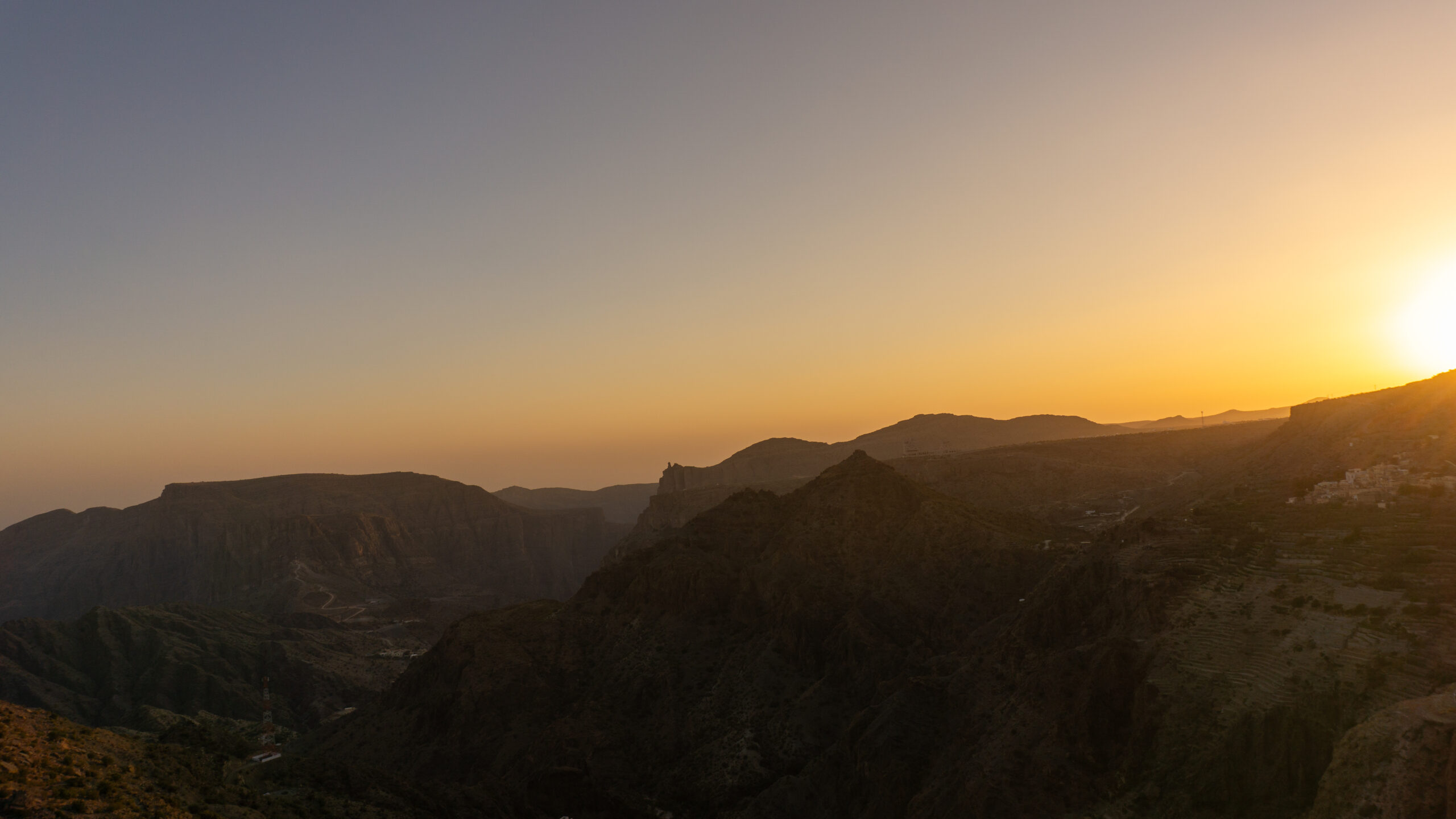
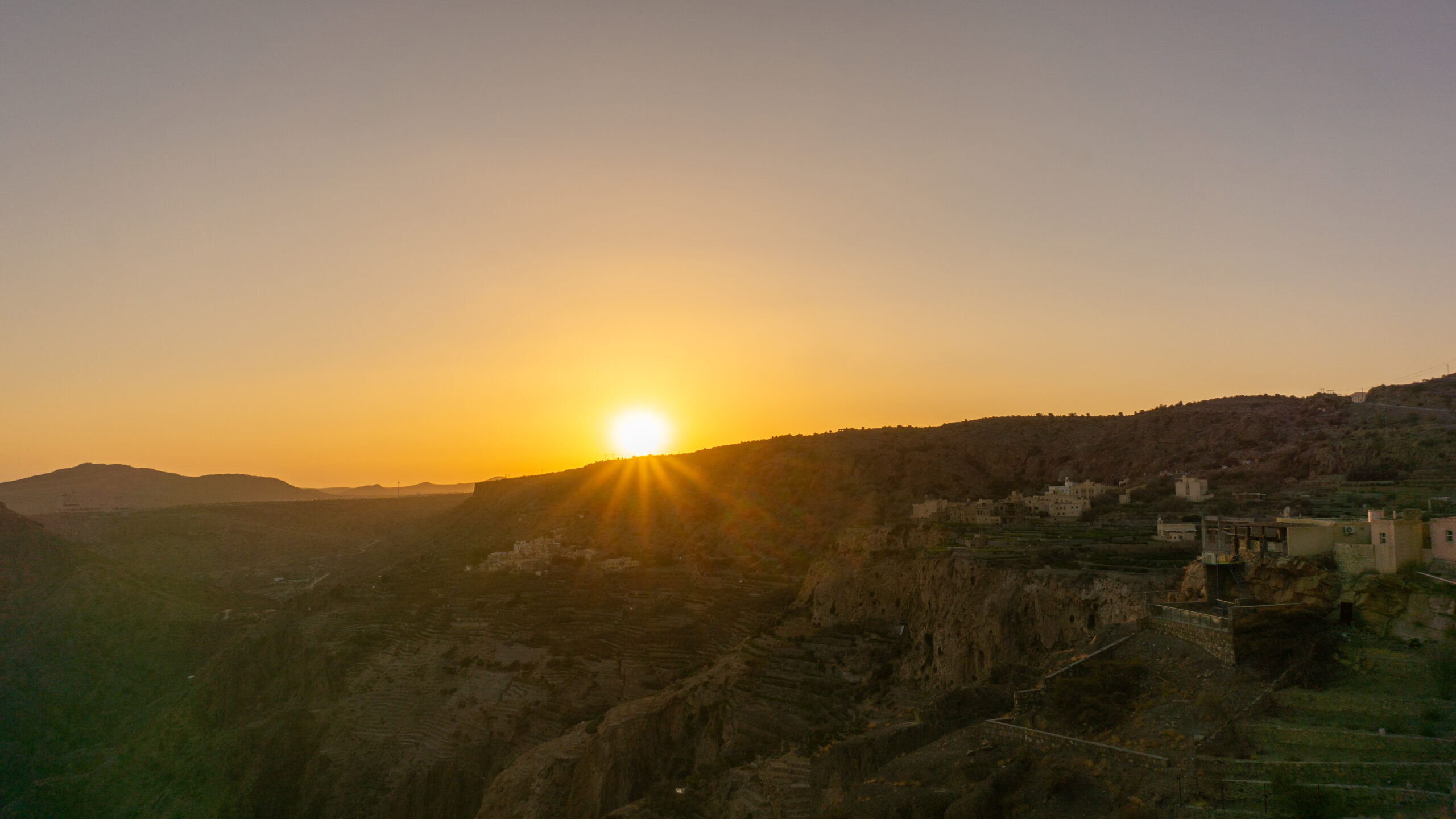
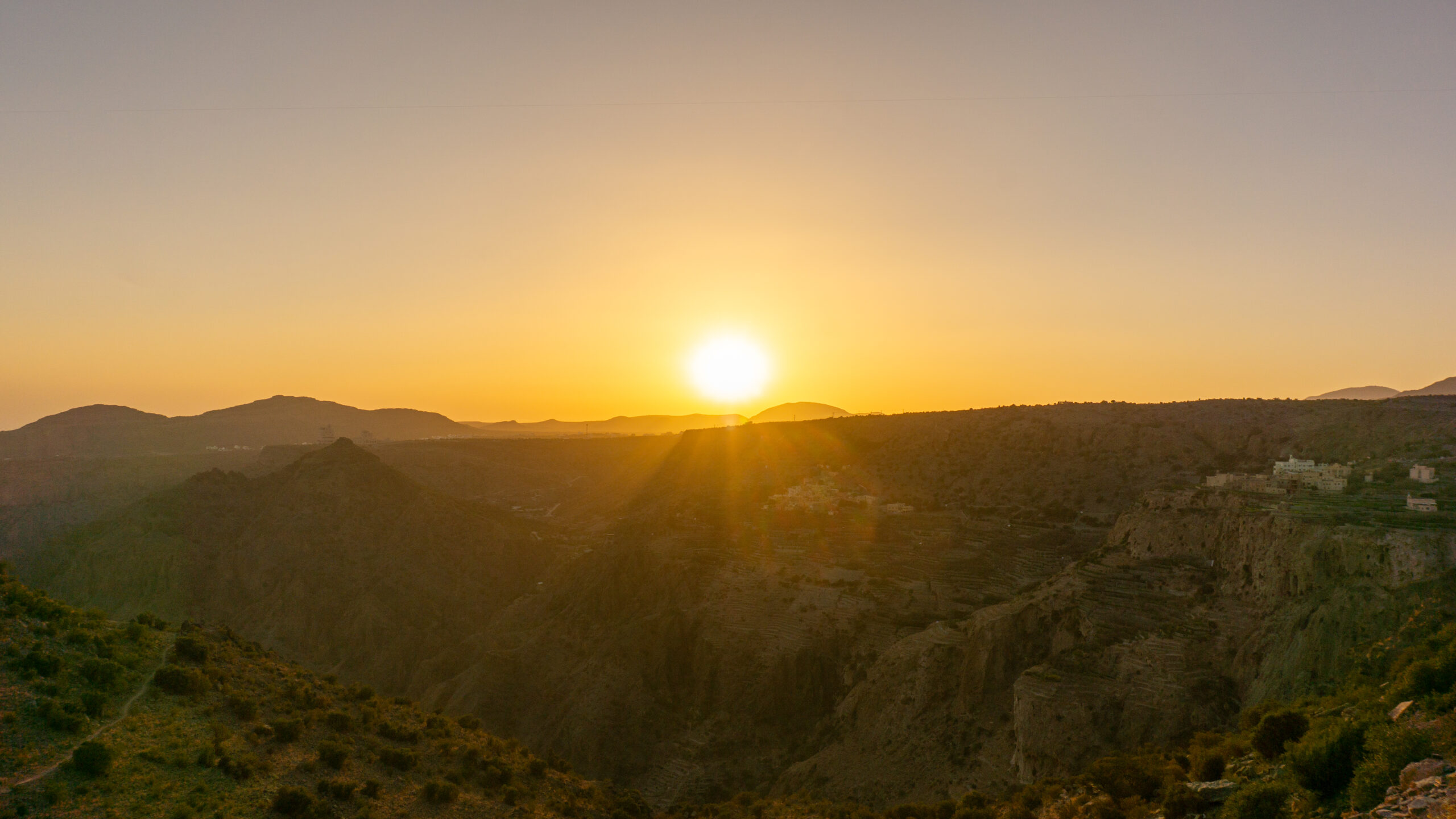
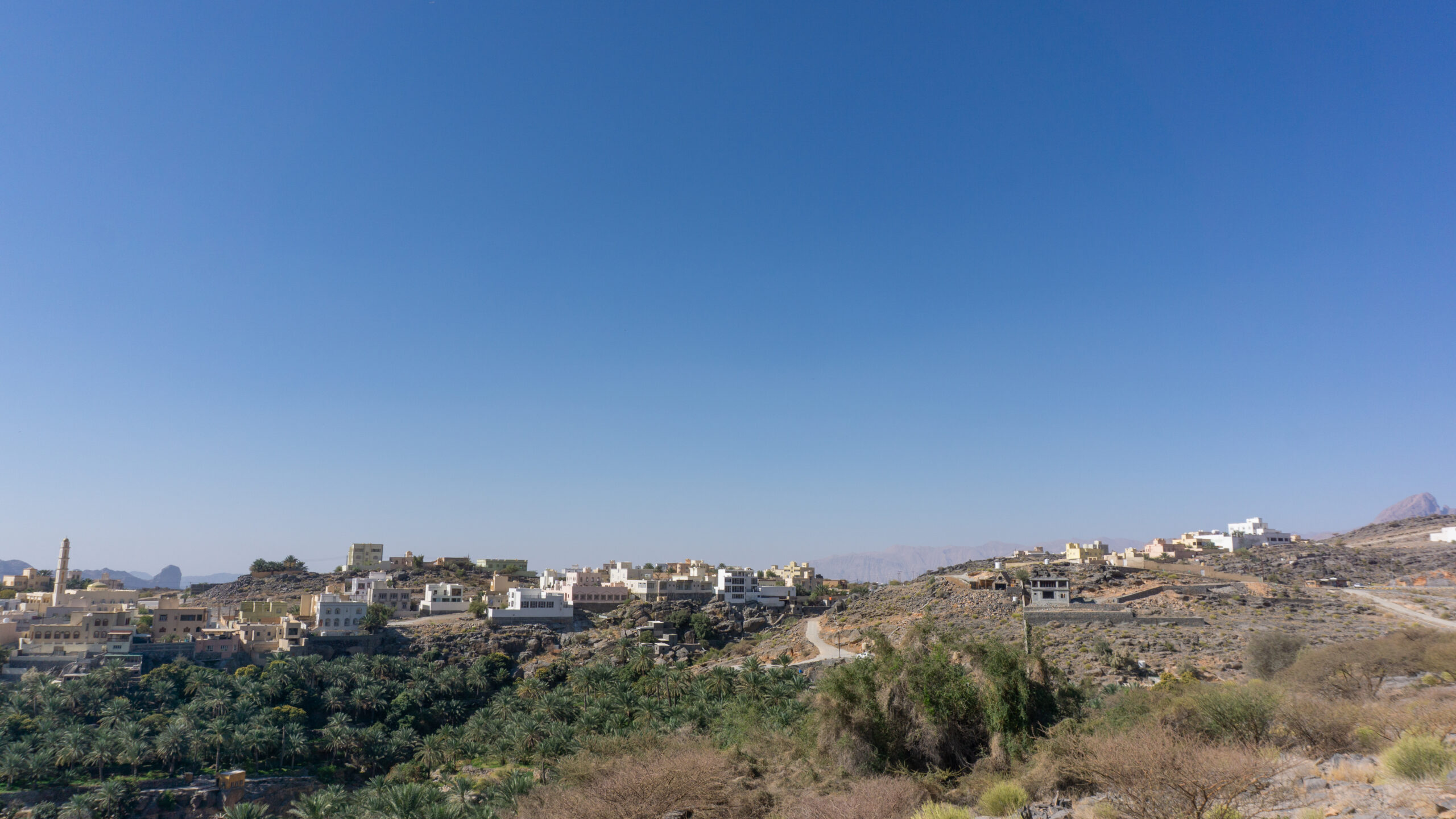
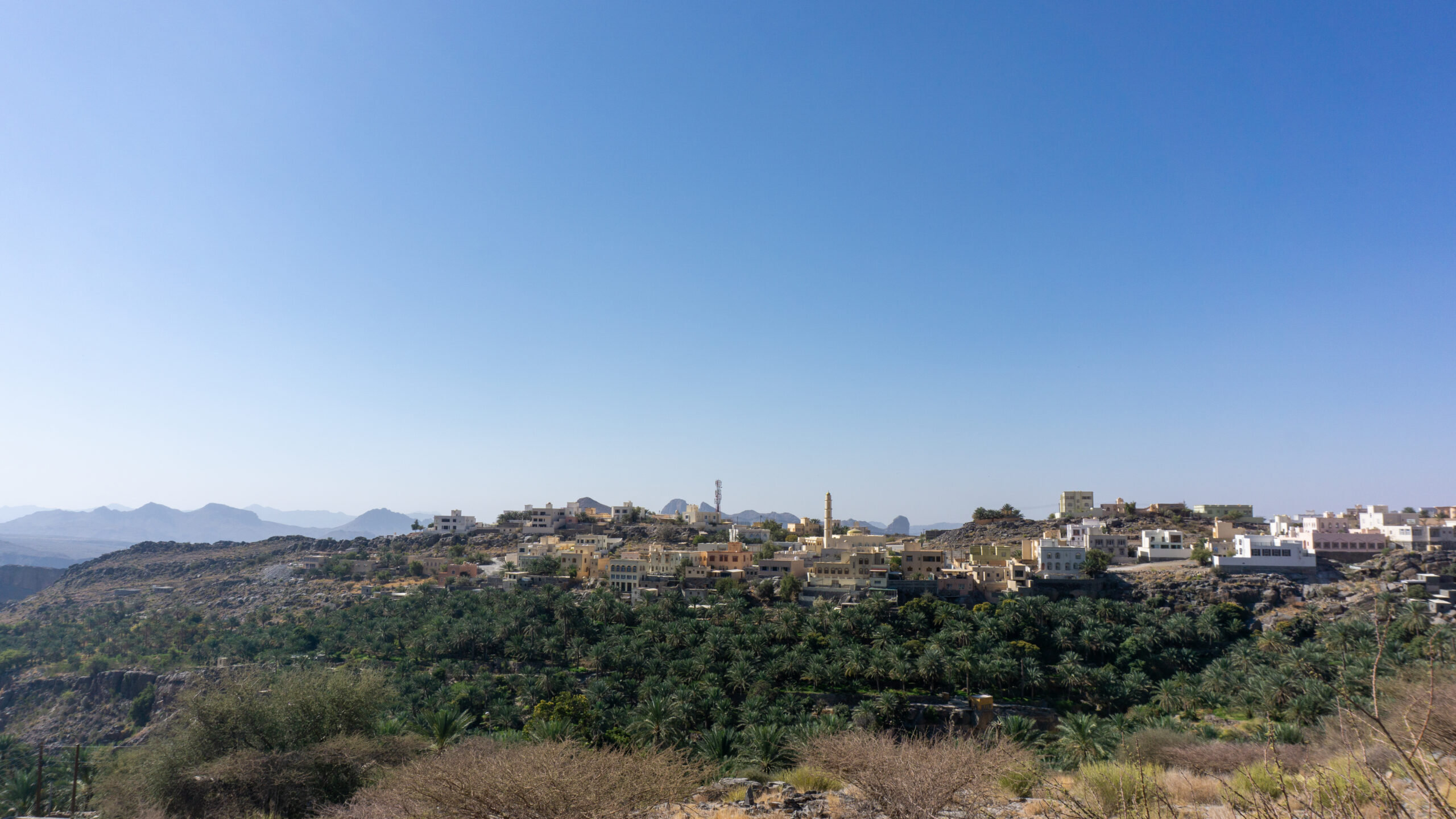
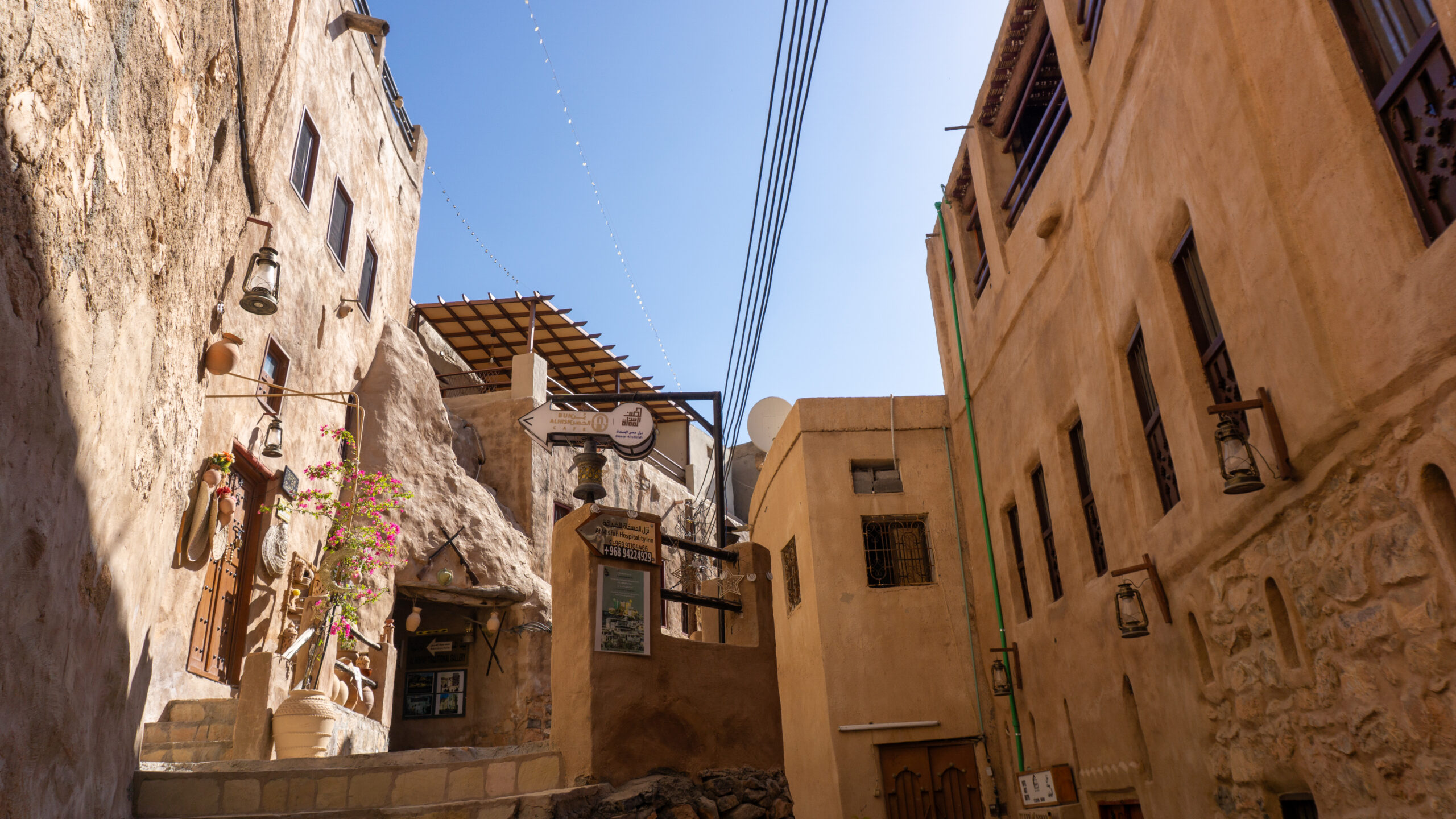
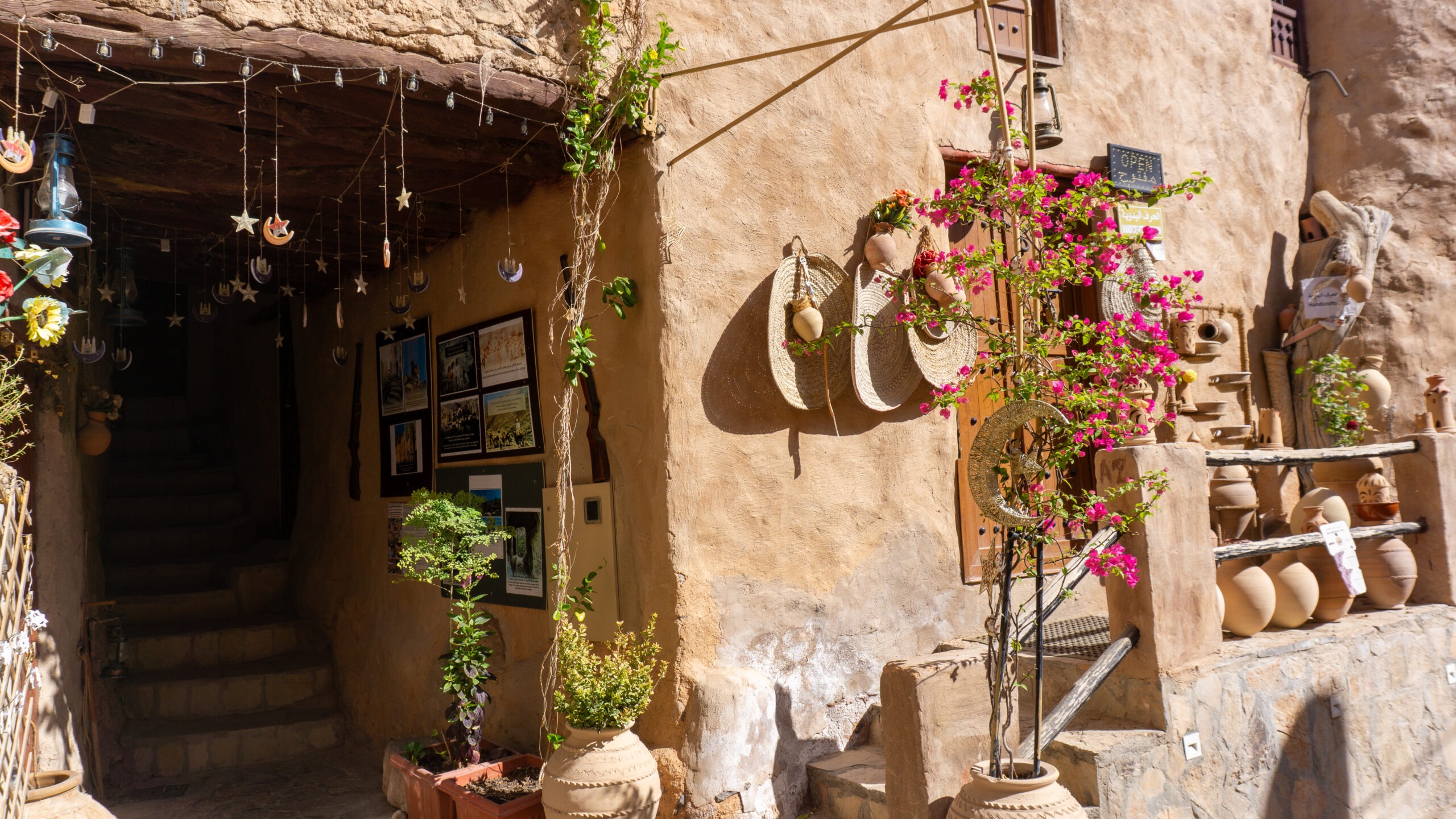
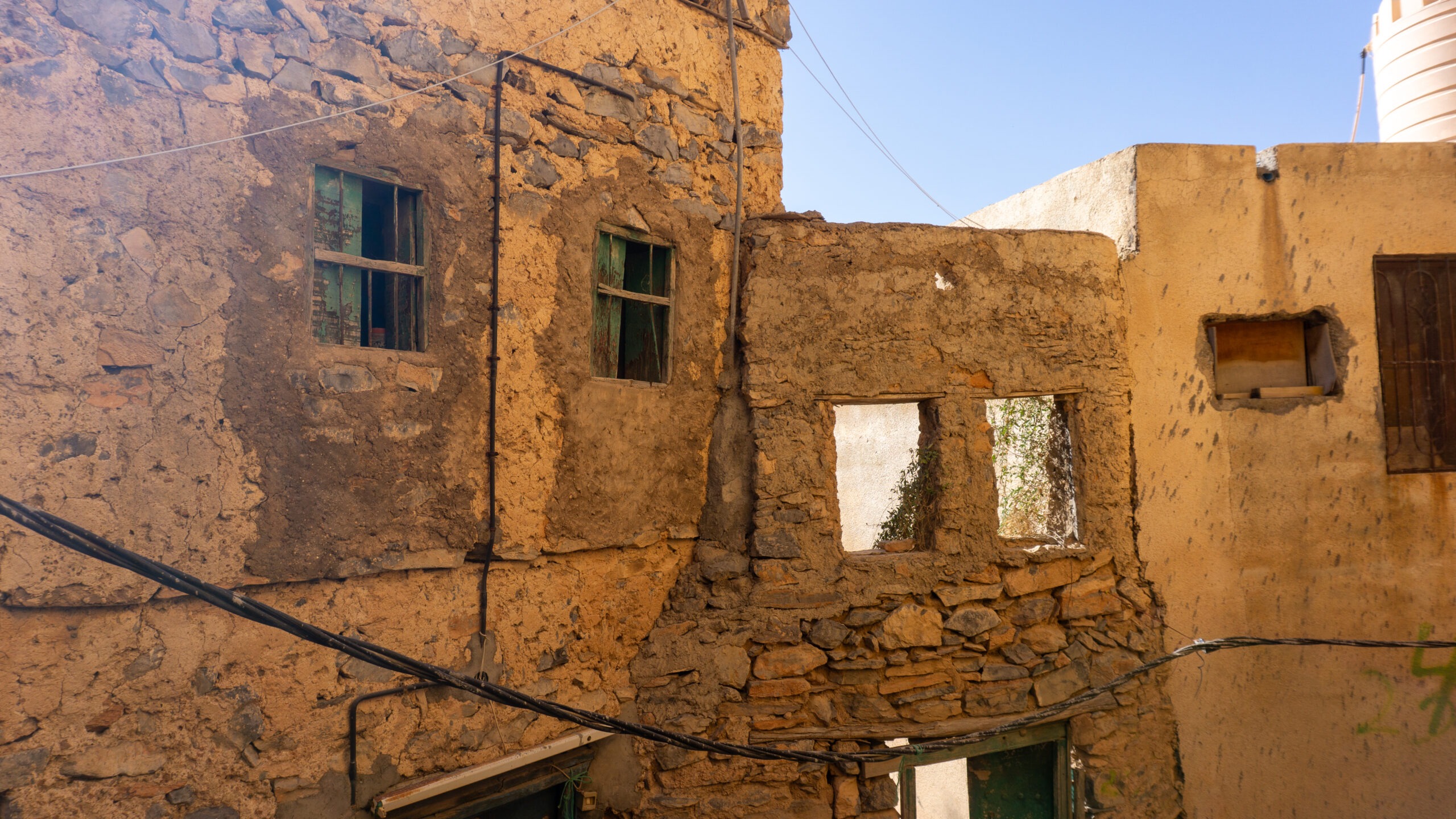
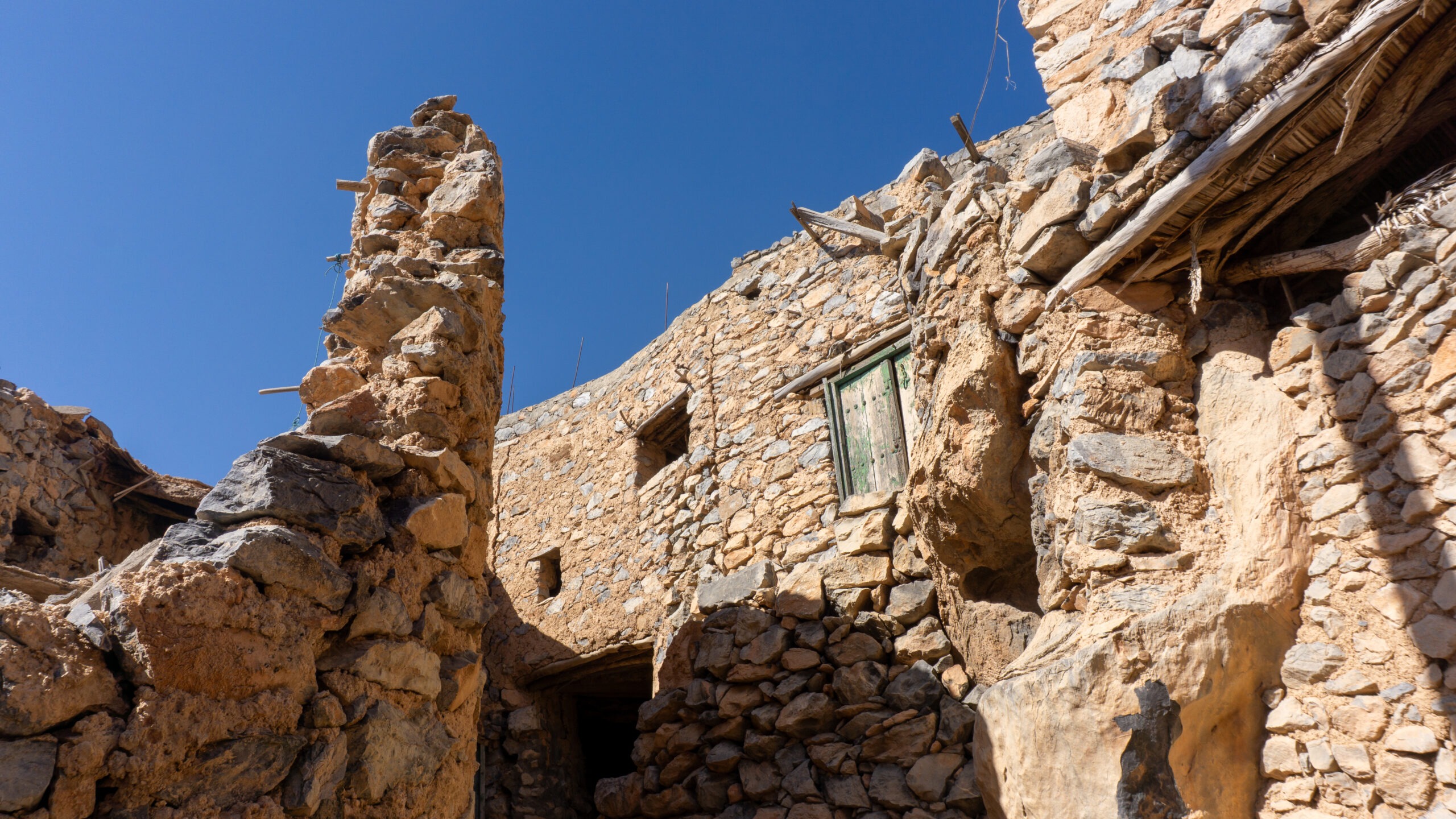
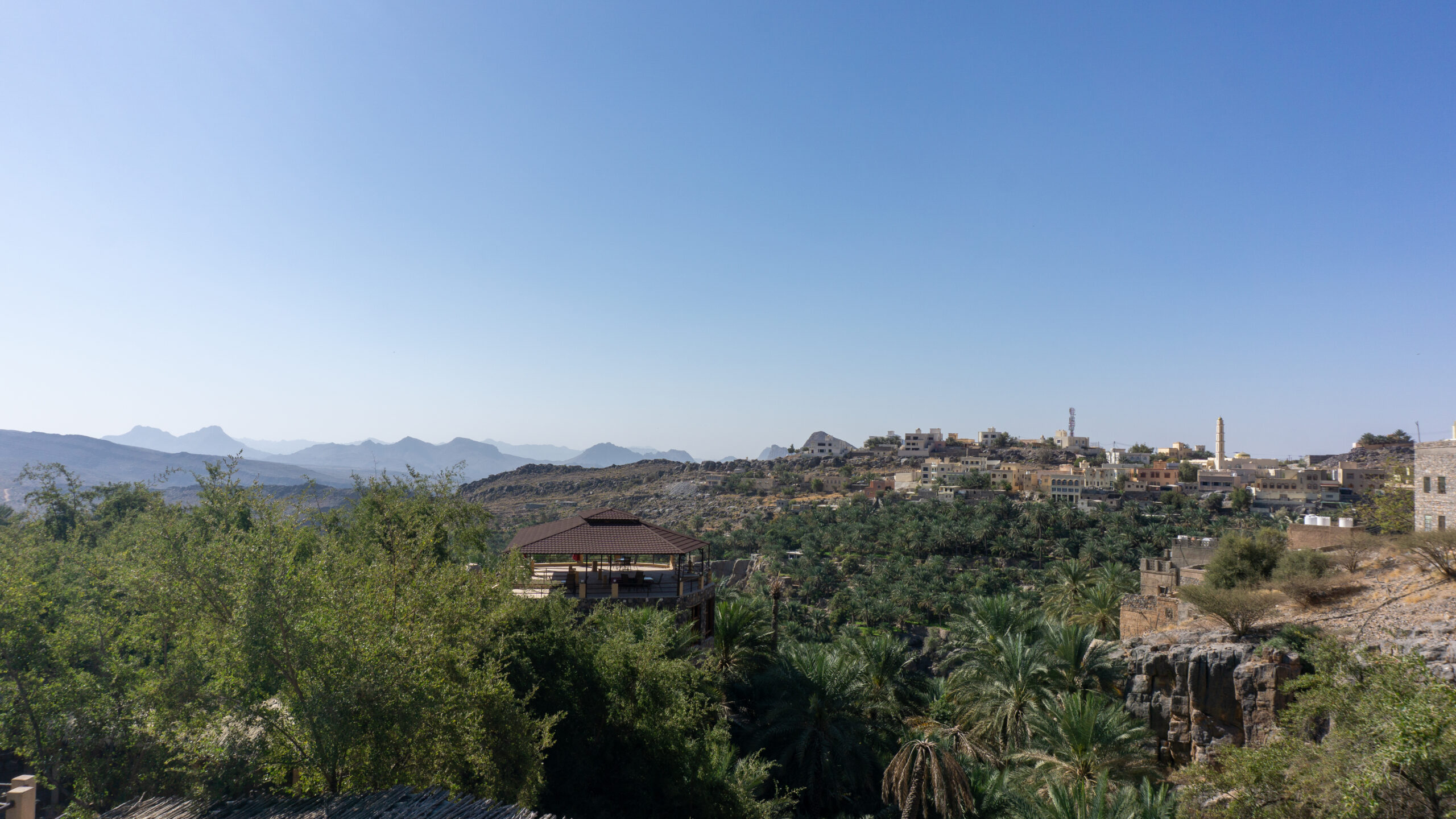
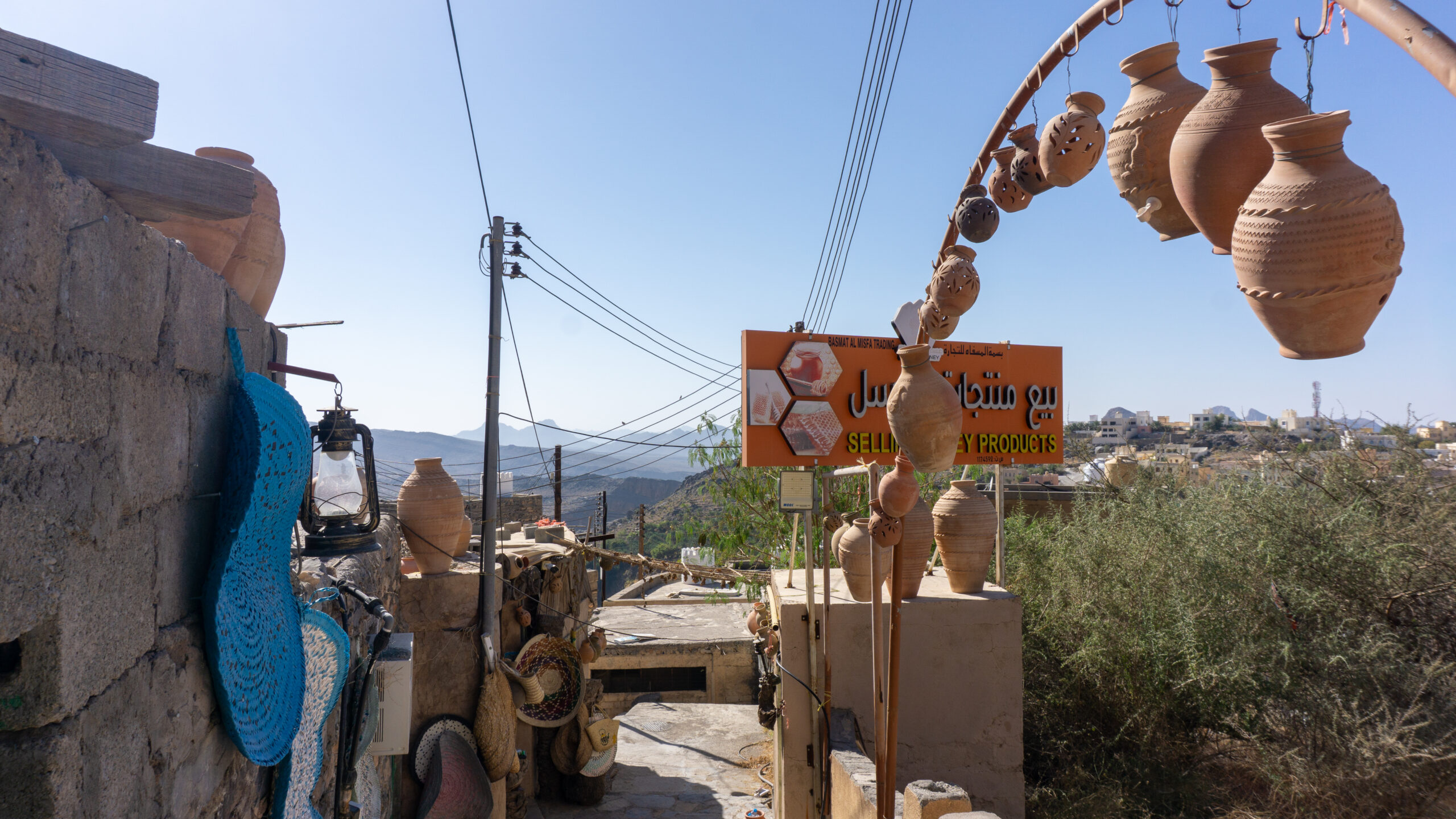
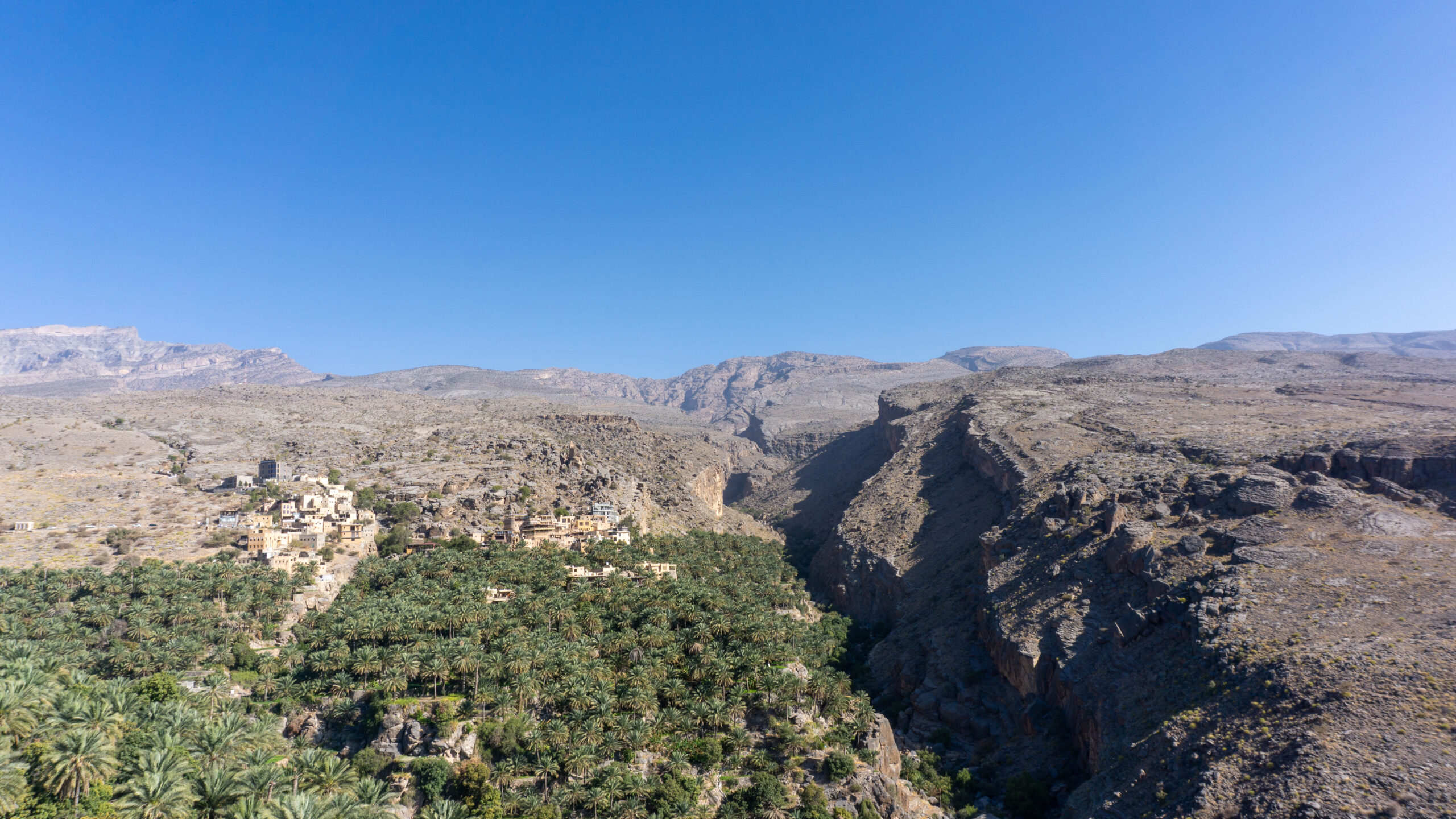
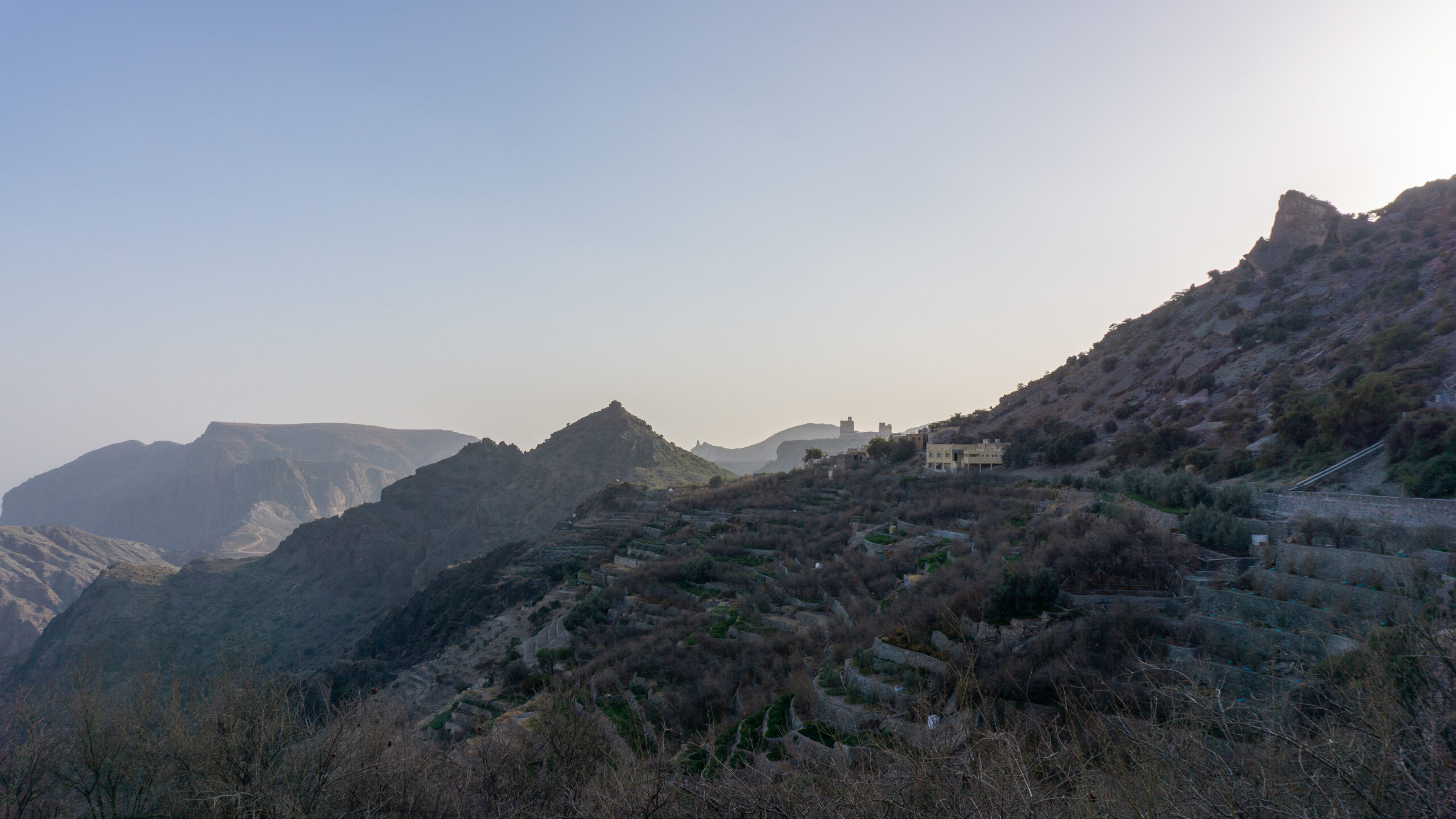
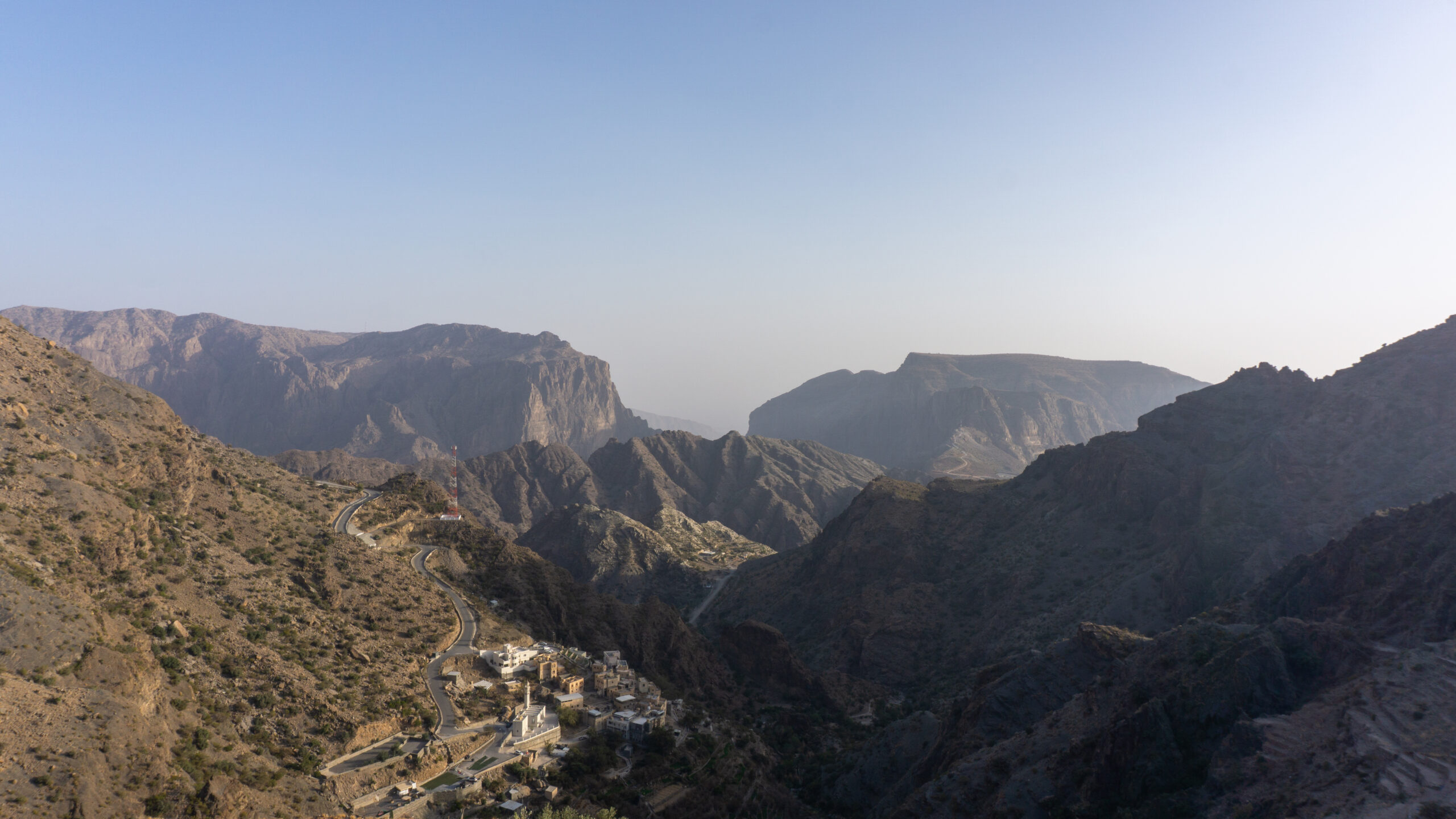
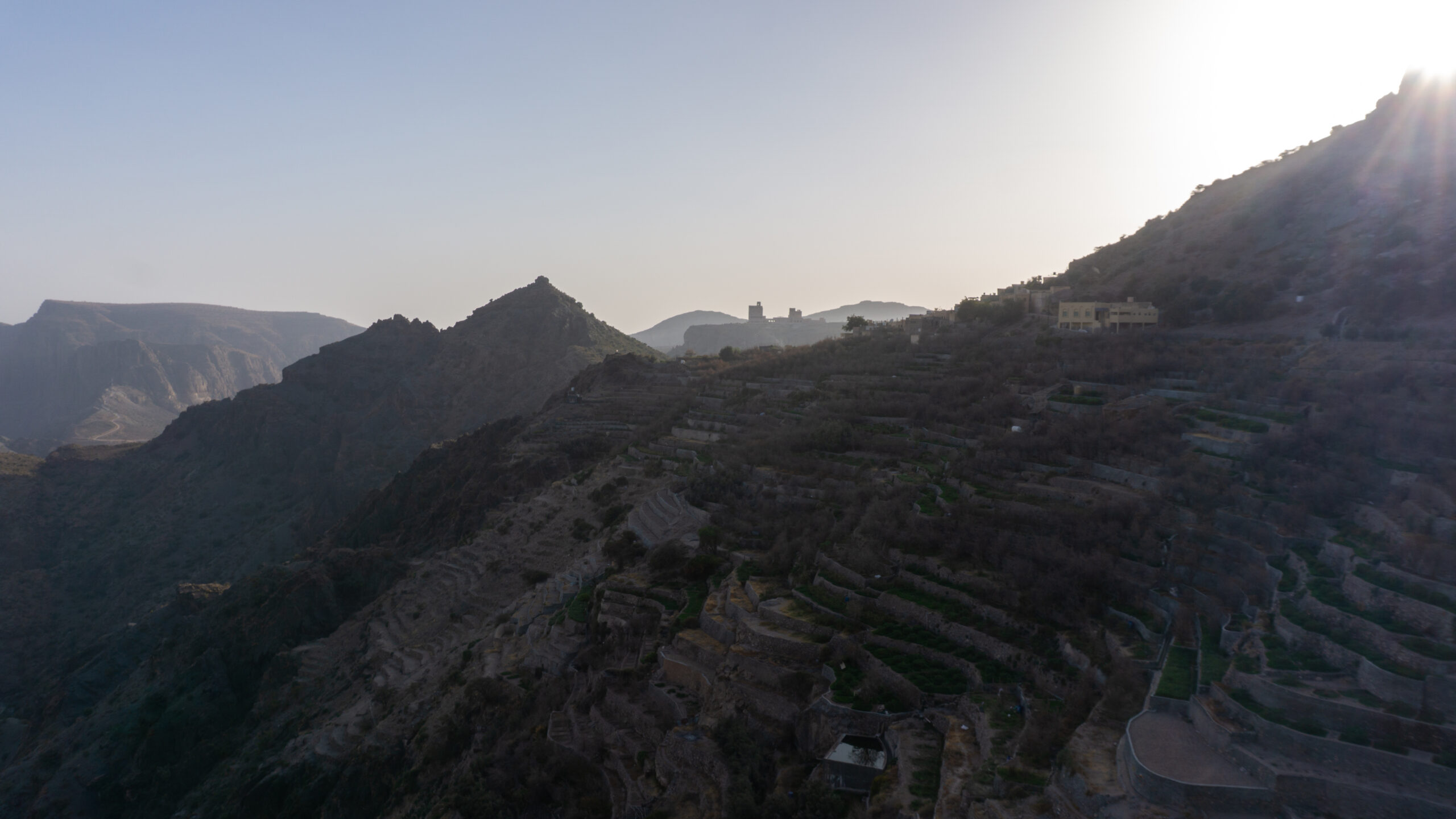
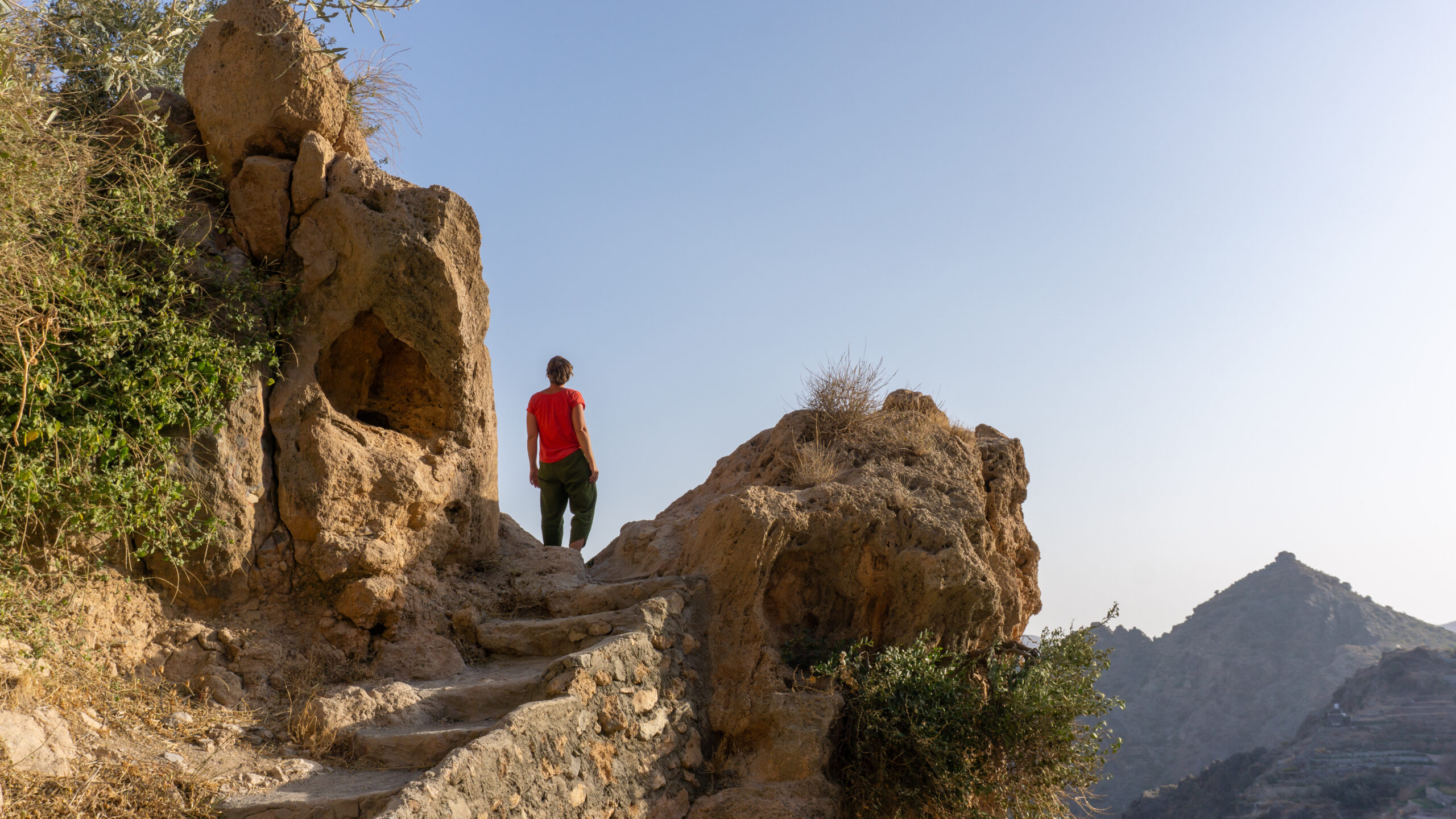
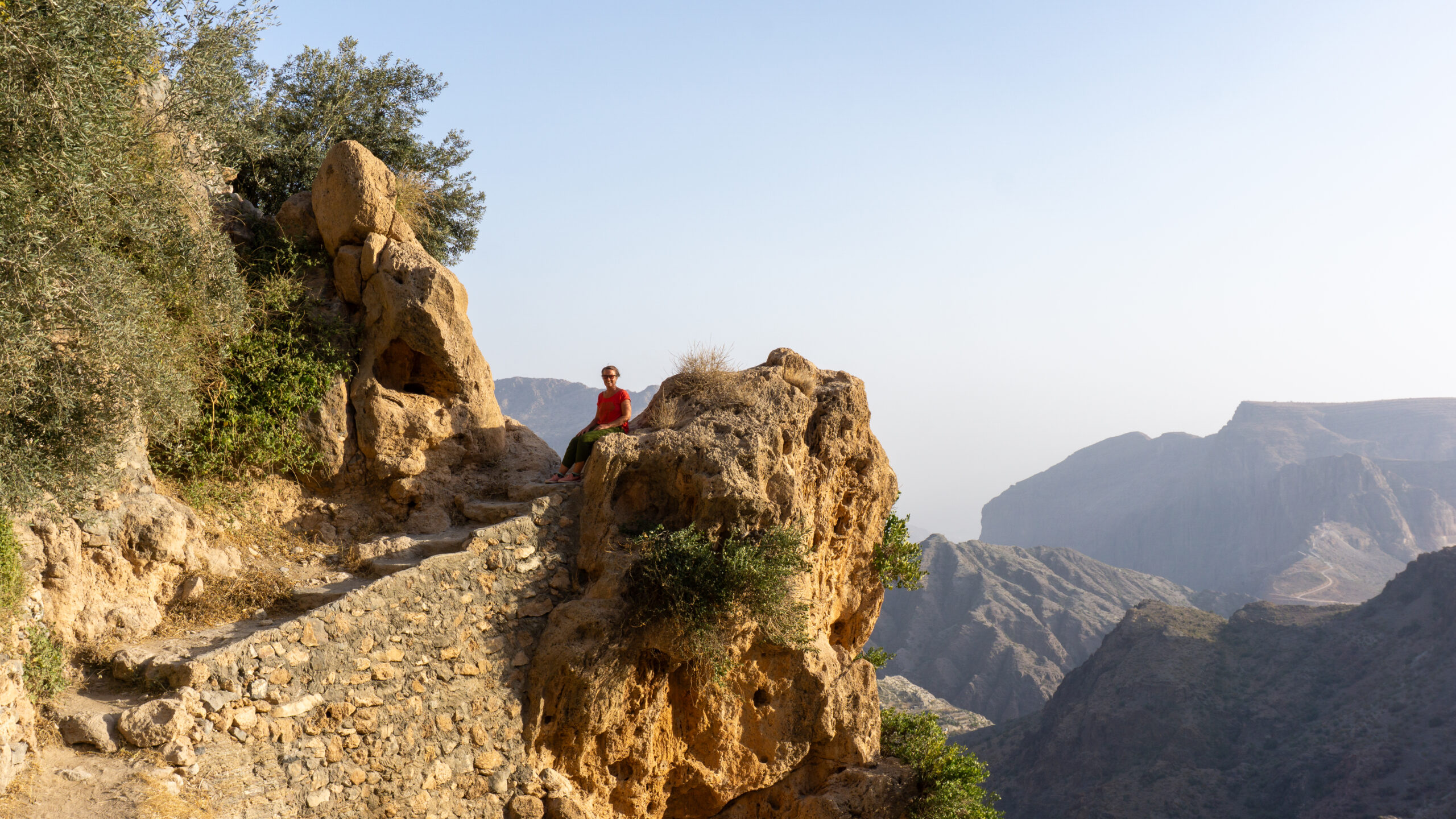
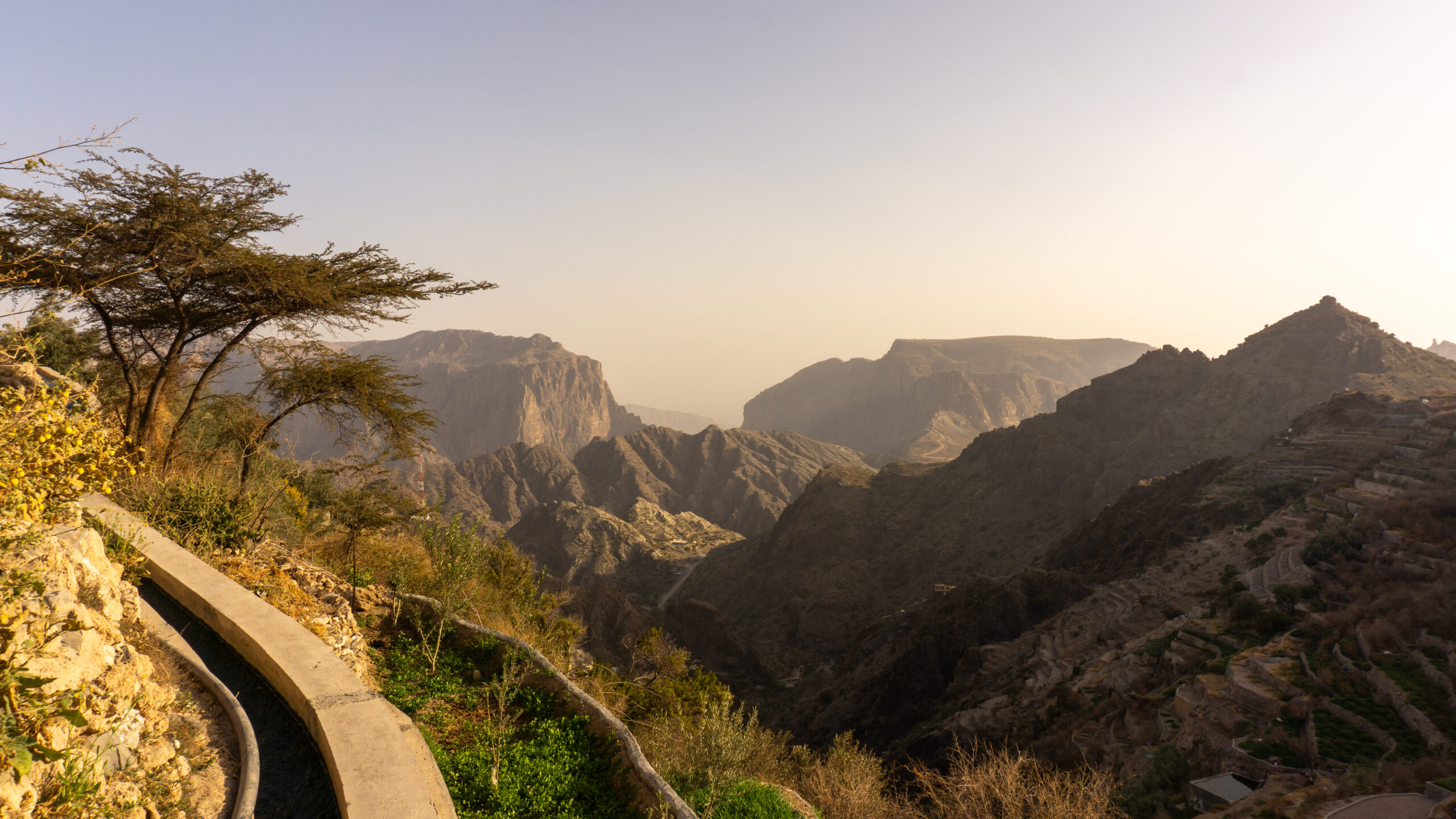
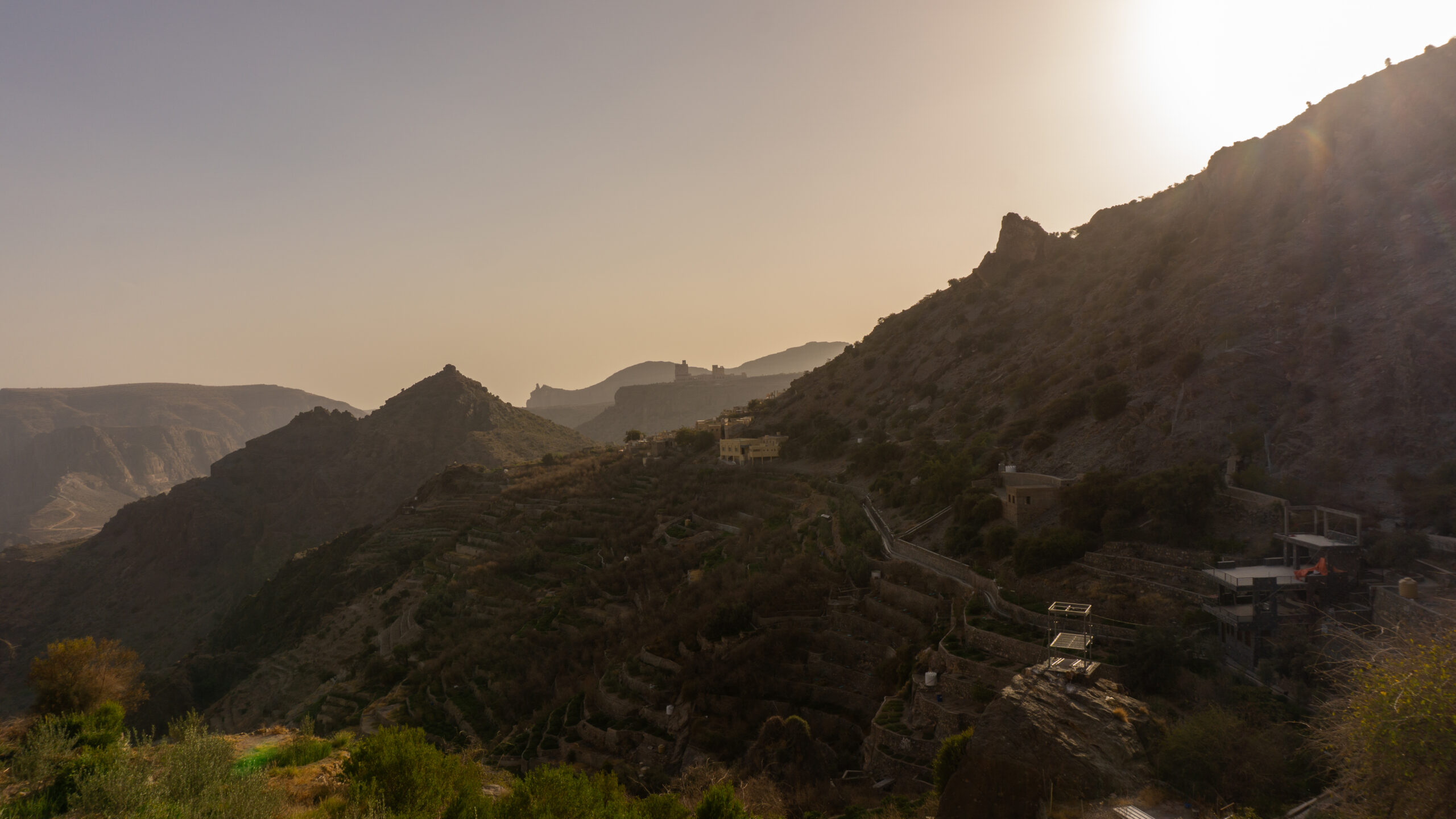
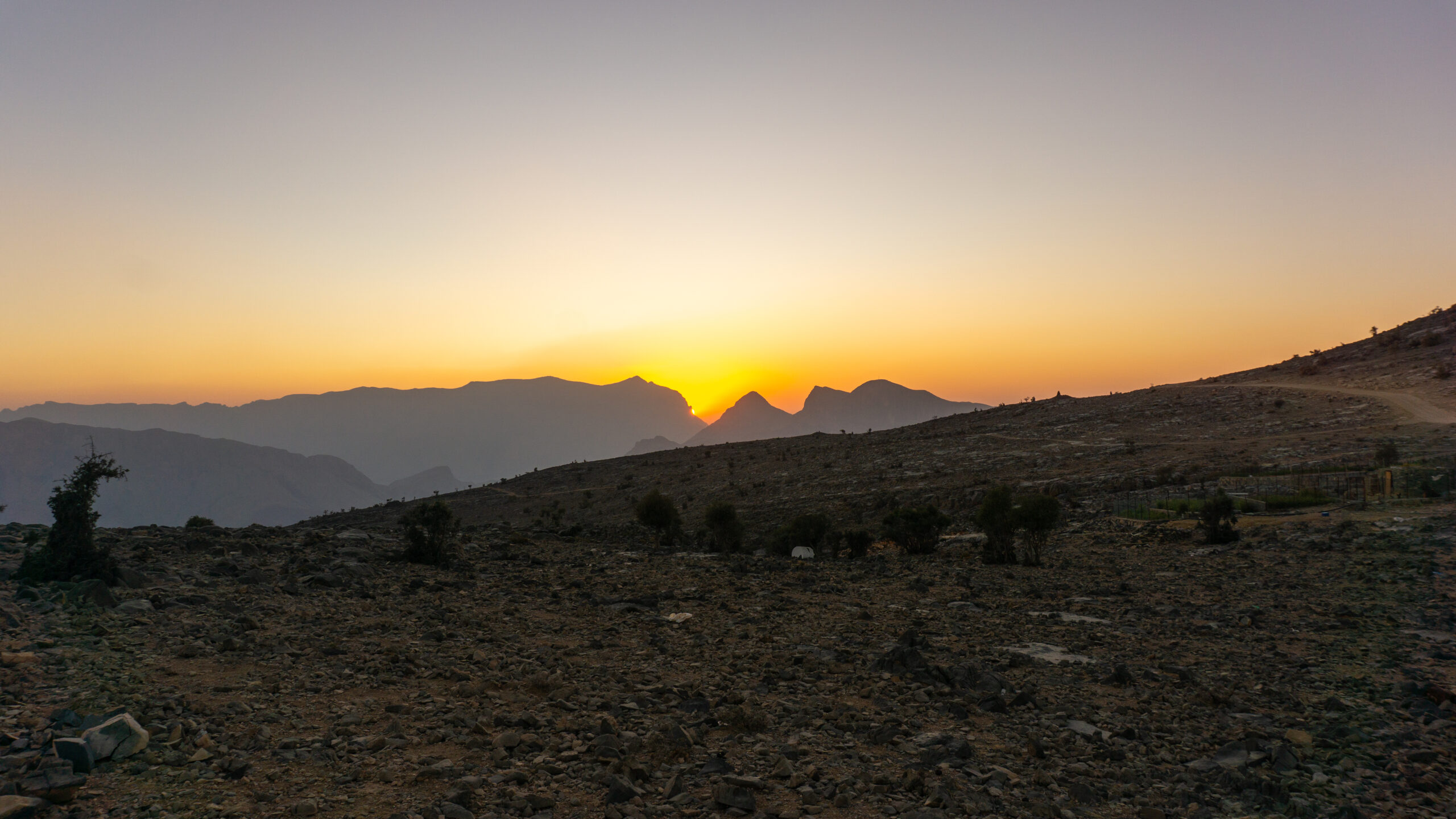
Our journey continues into the “green mountains”. Once again we’re staying in a brand-new villa with a small garden in Saiq. From there we want to make a detour to the “green mountains” in the Jebel Akhdar range. On the way to Saiq we took a look at the beautifully situated Misfat. A small, cosy village with great buildings. The classic in the evening: the gorgeous sunset. The next day we headed into the “green mountains”. As so often, a great landscape – unfortunately, at the end of the dry season it isn’t glowing quite as green as we’d have liked.
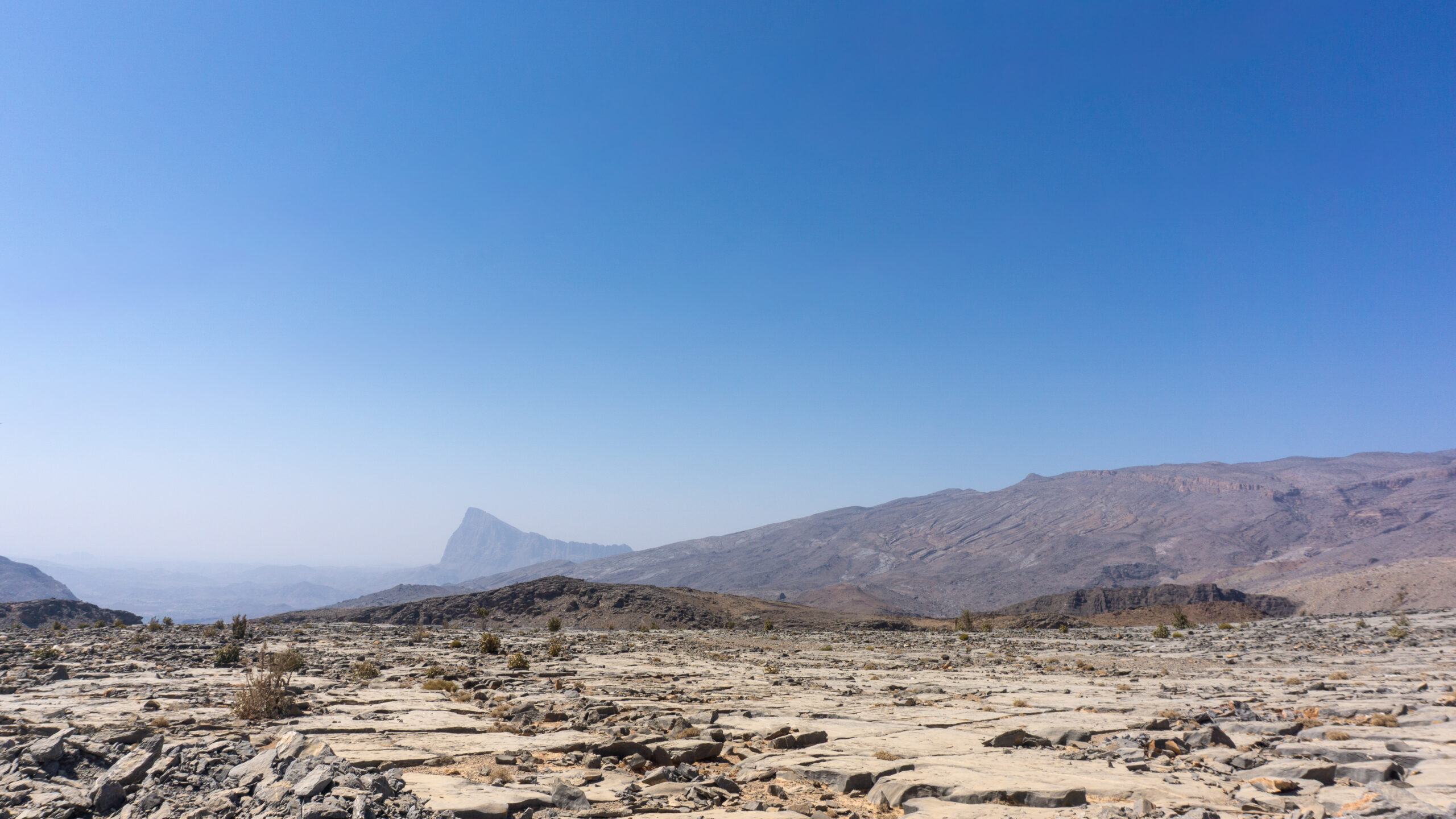
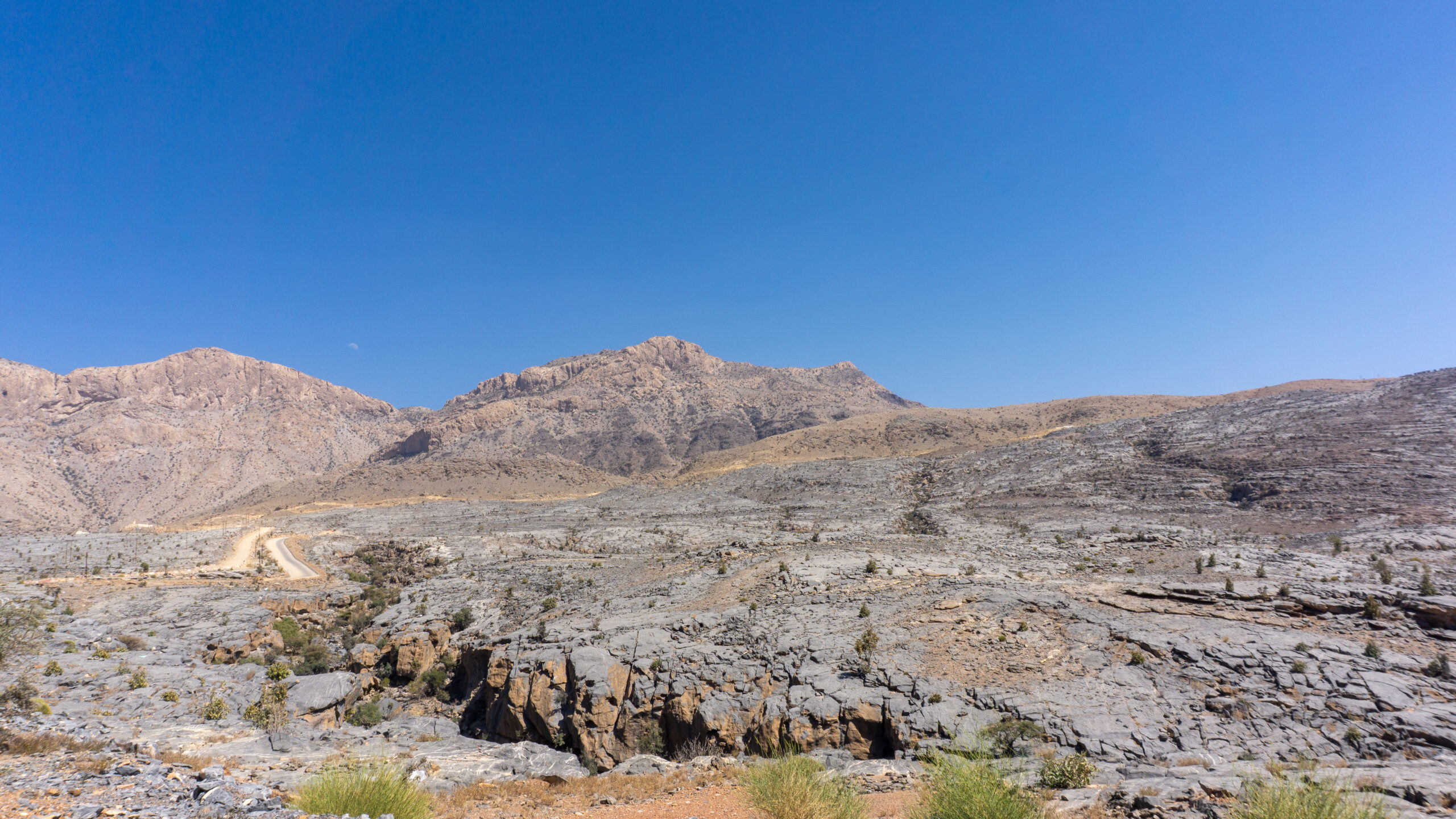
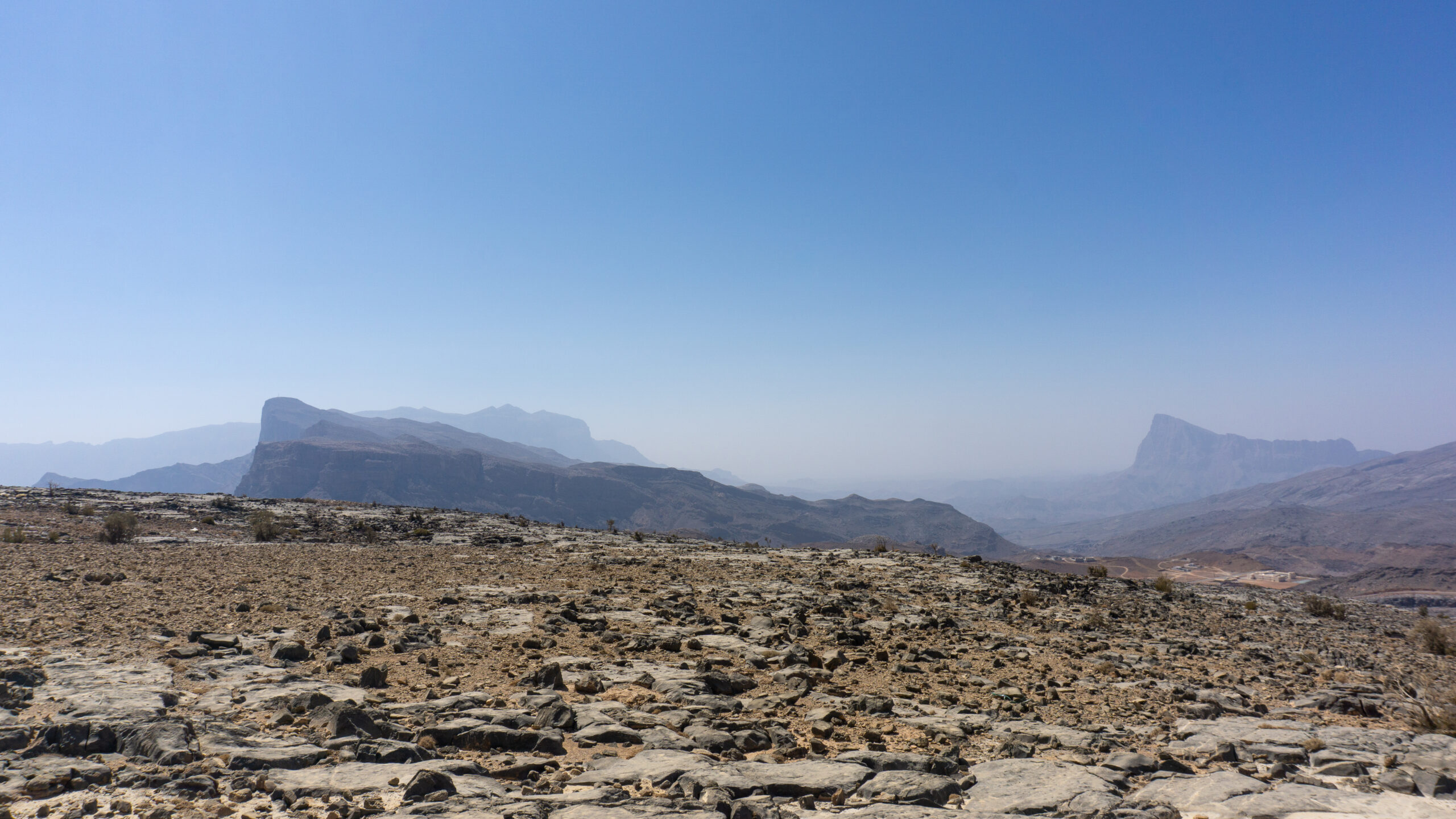
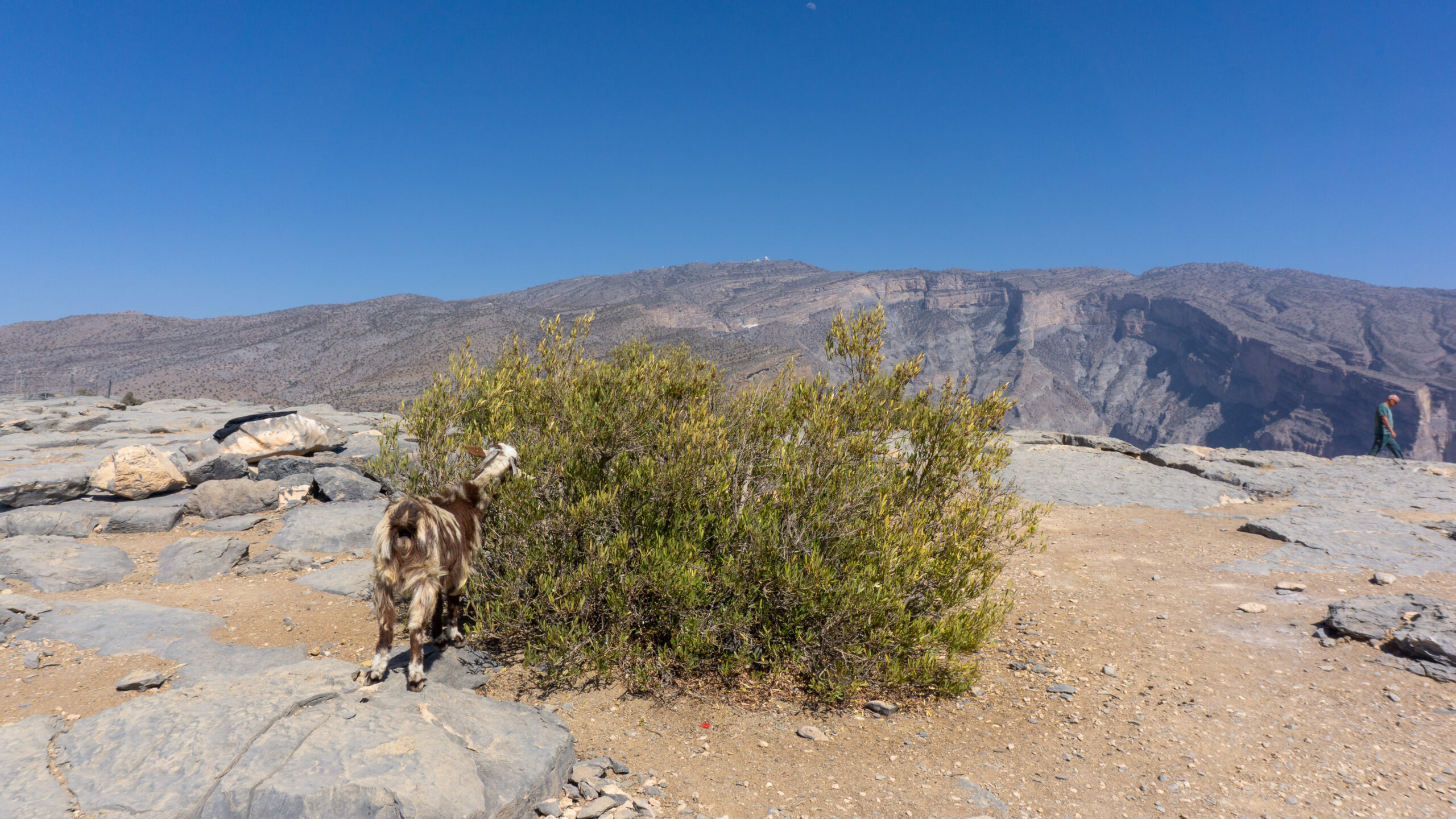
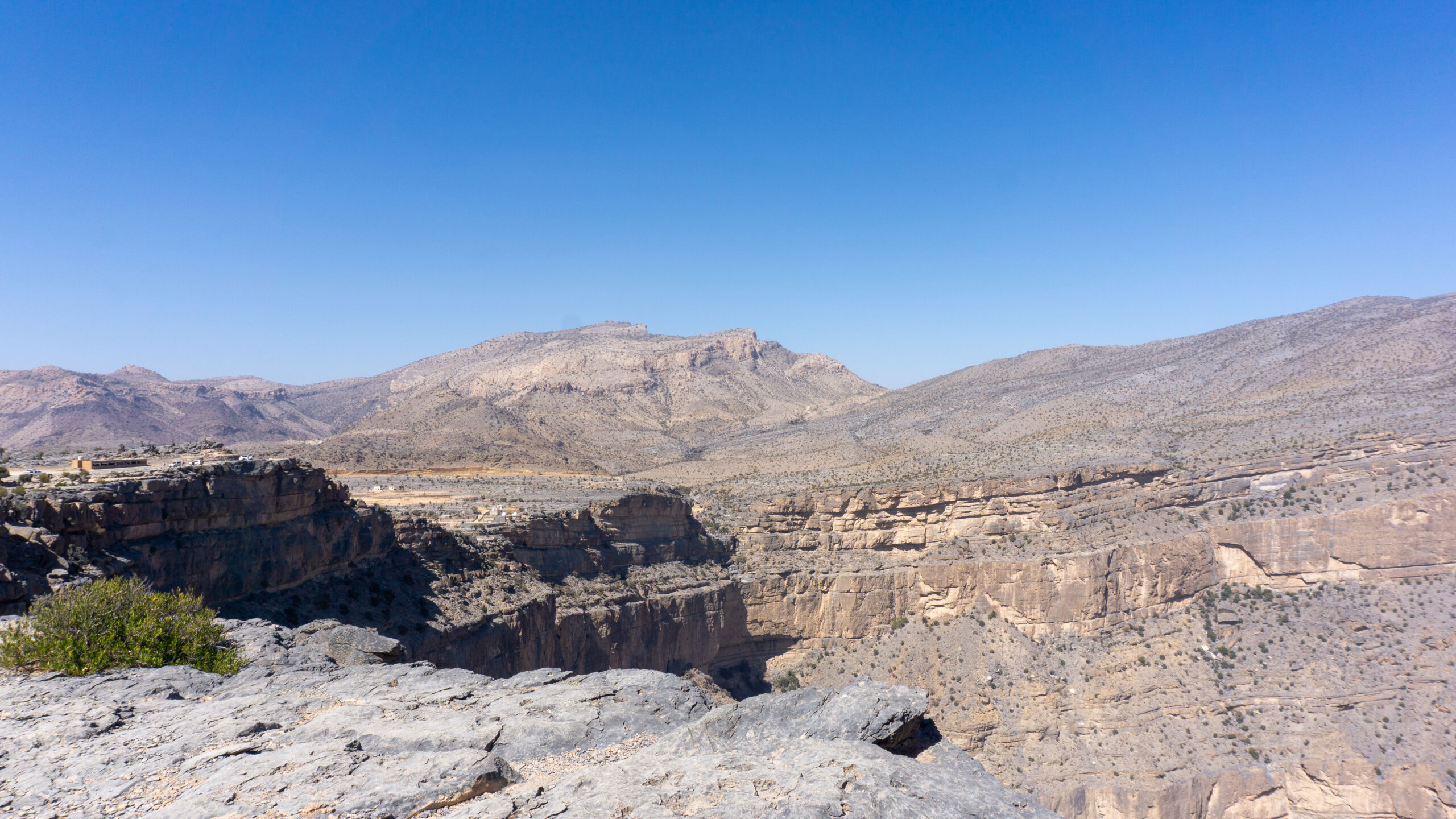
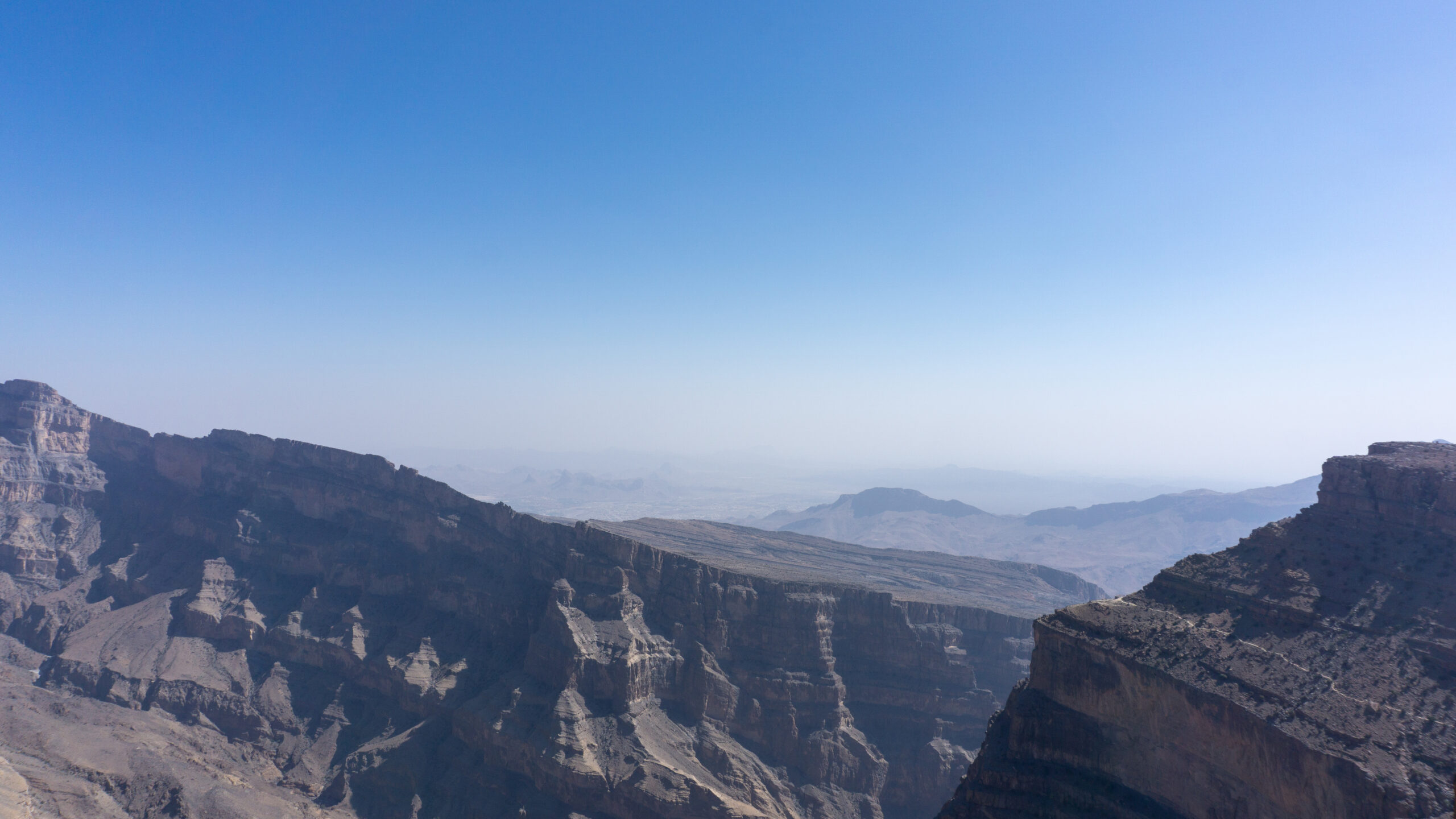
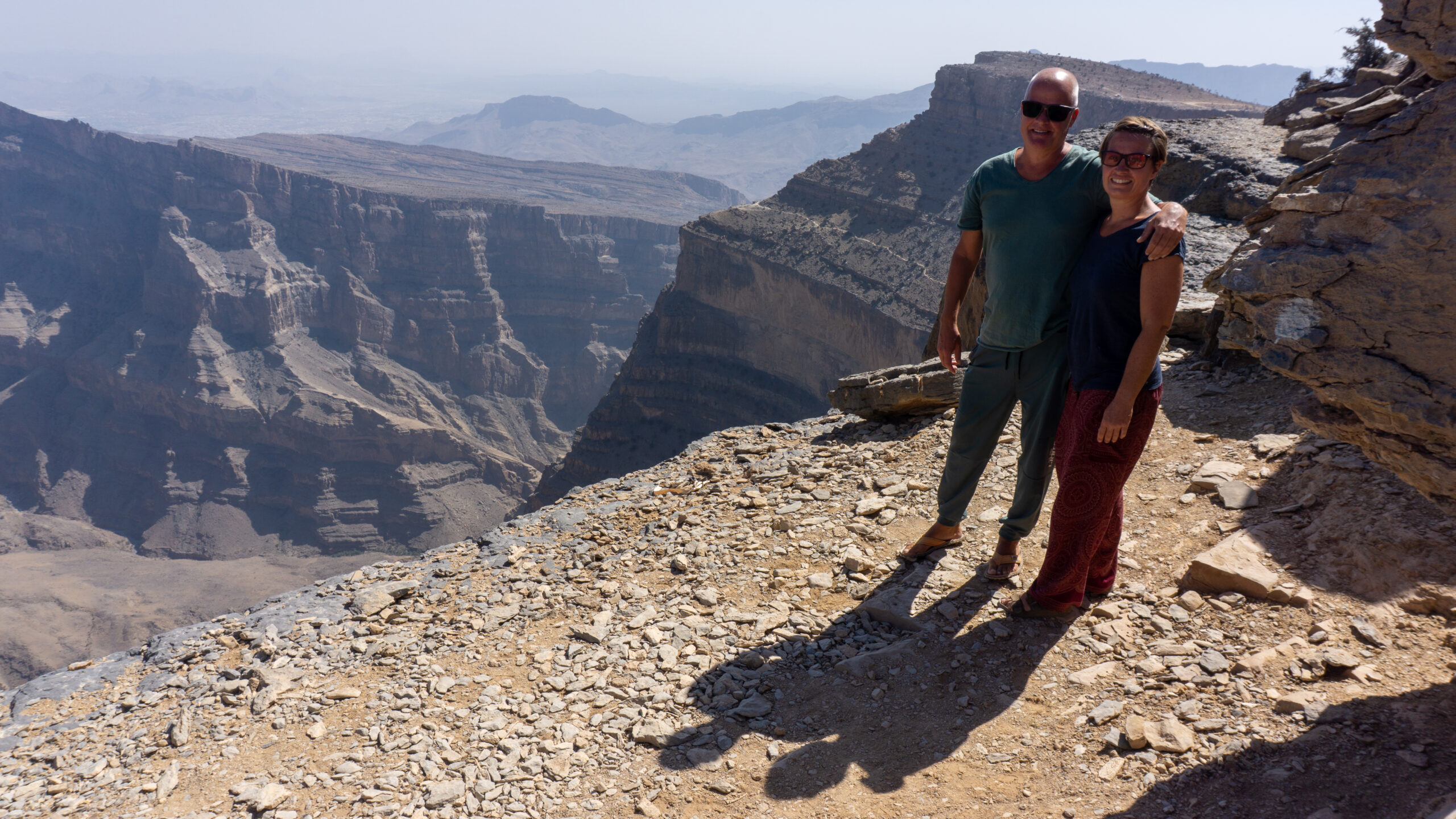
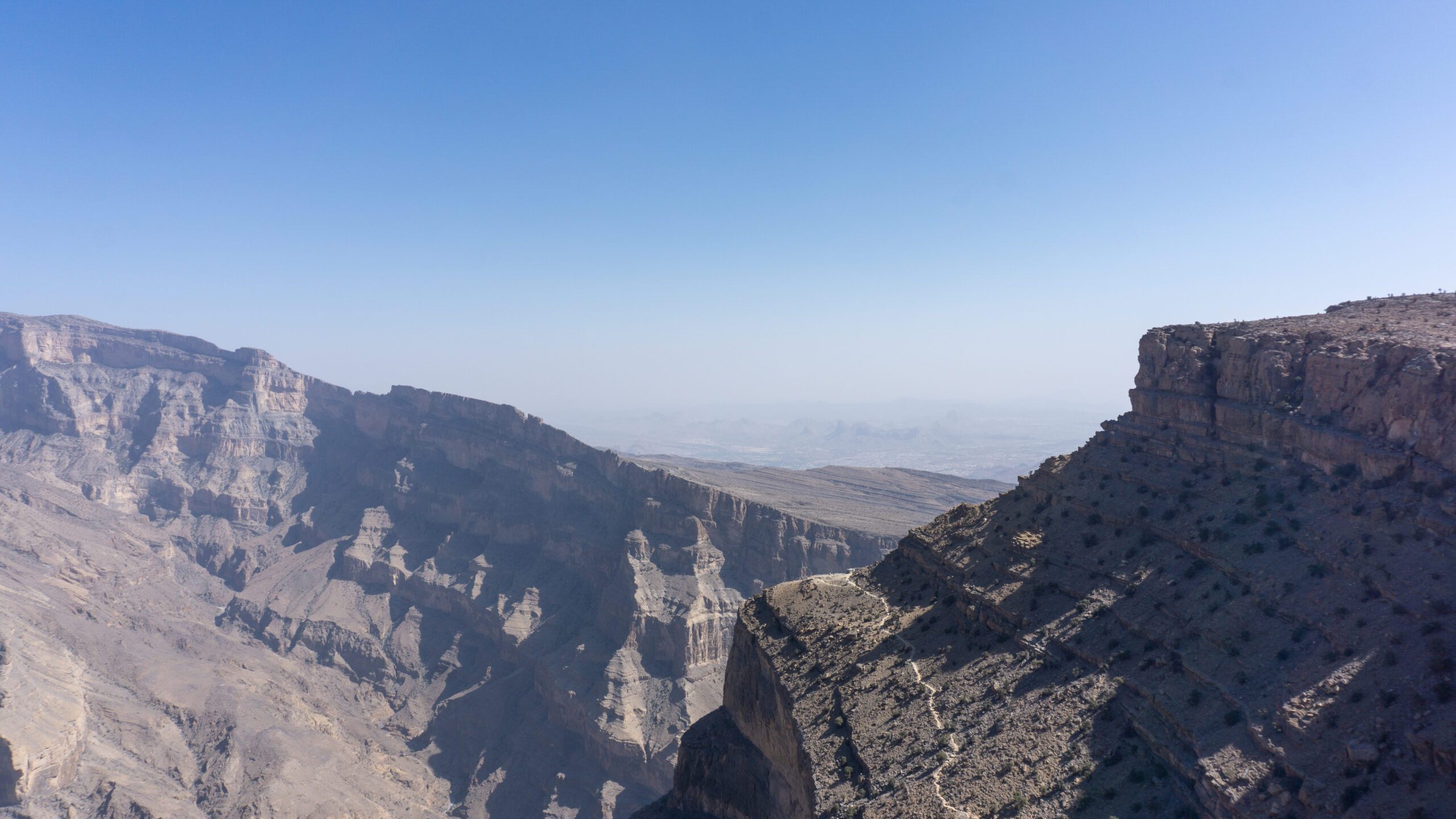
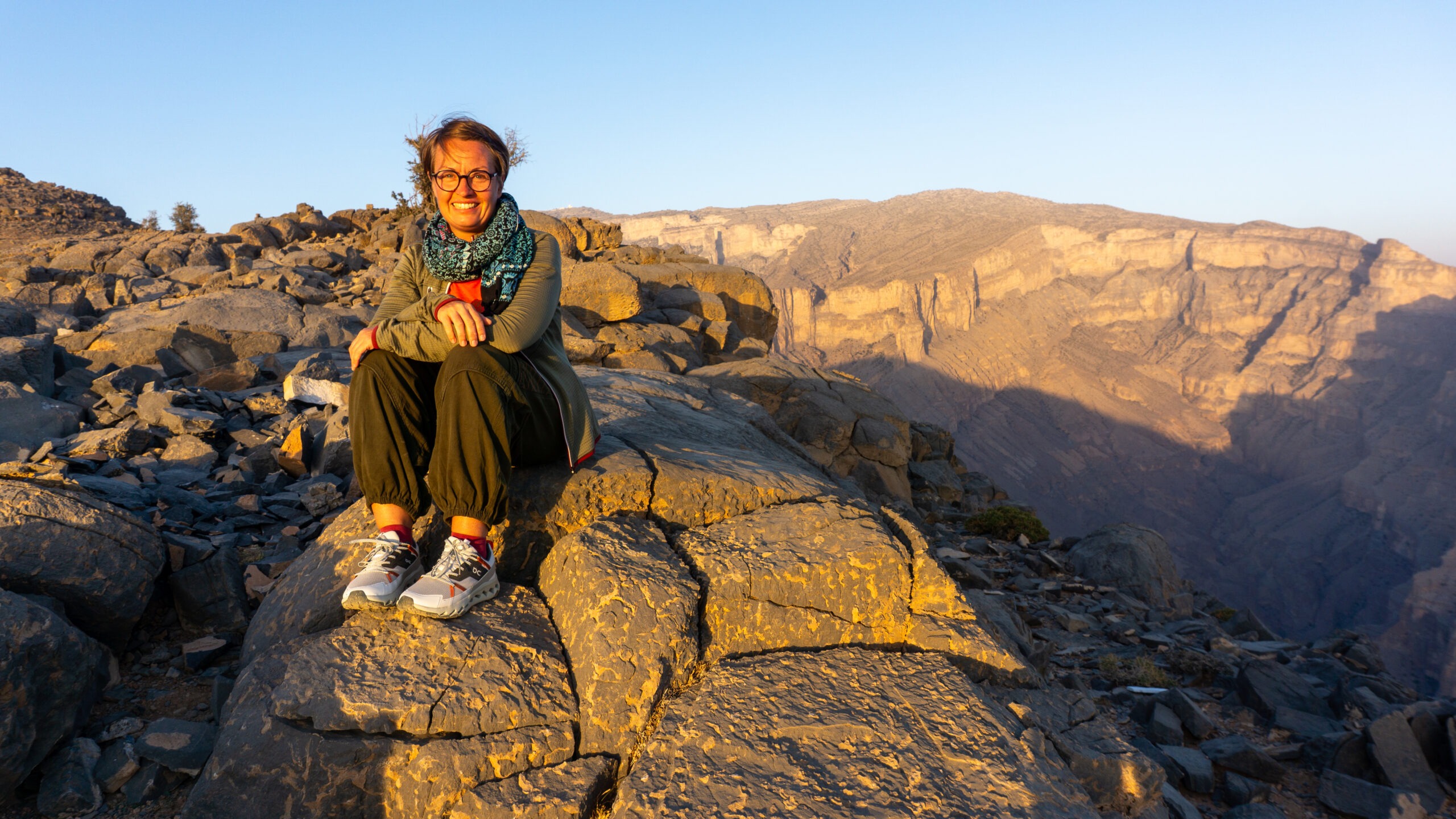
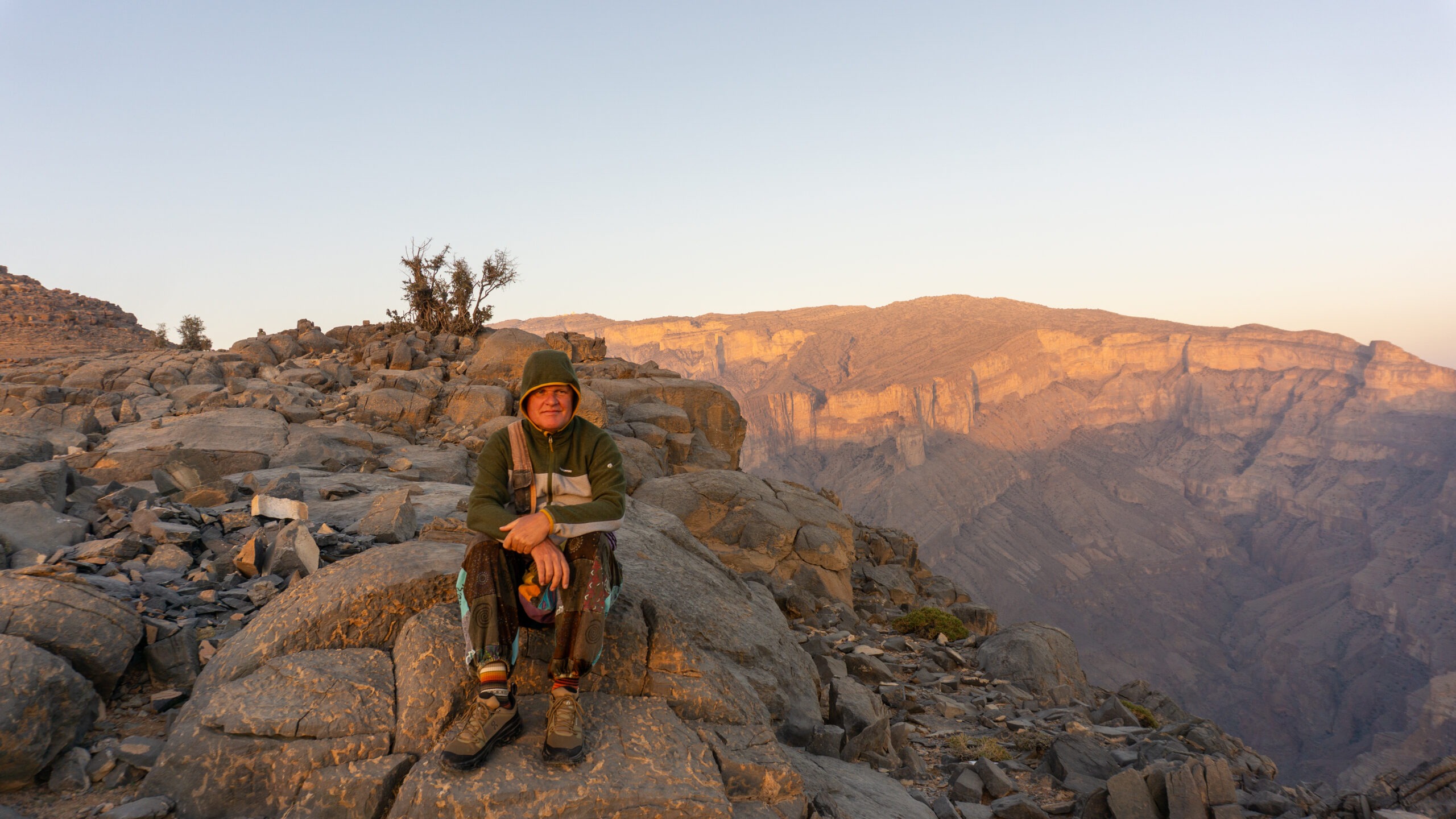
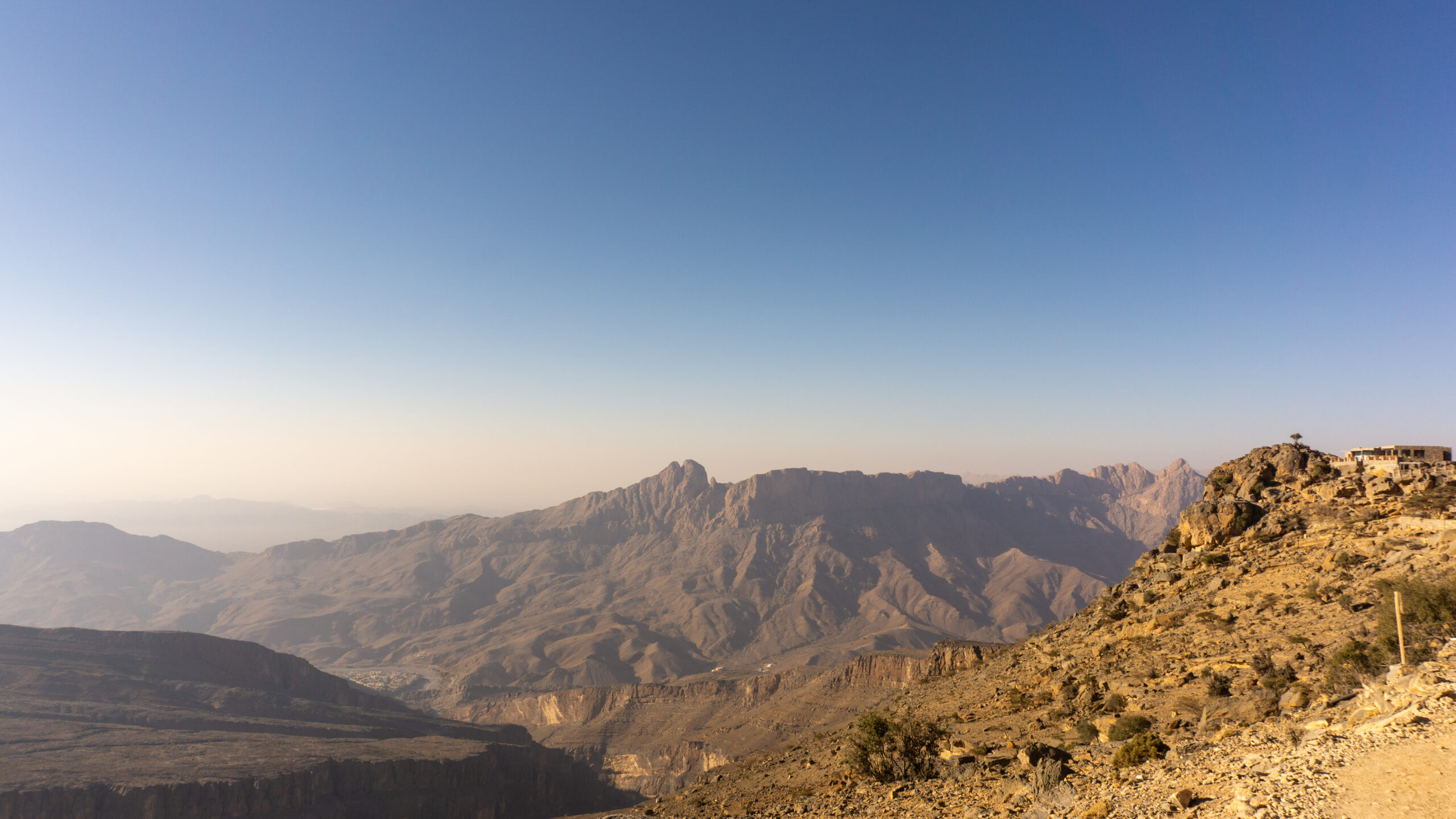
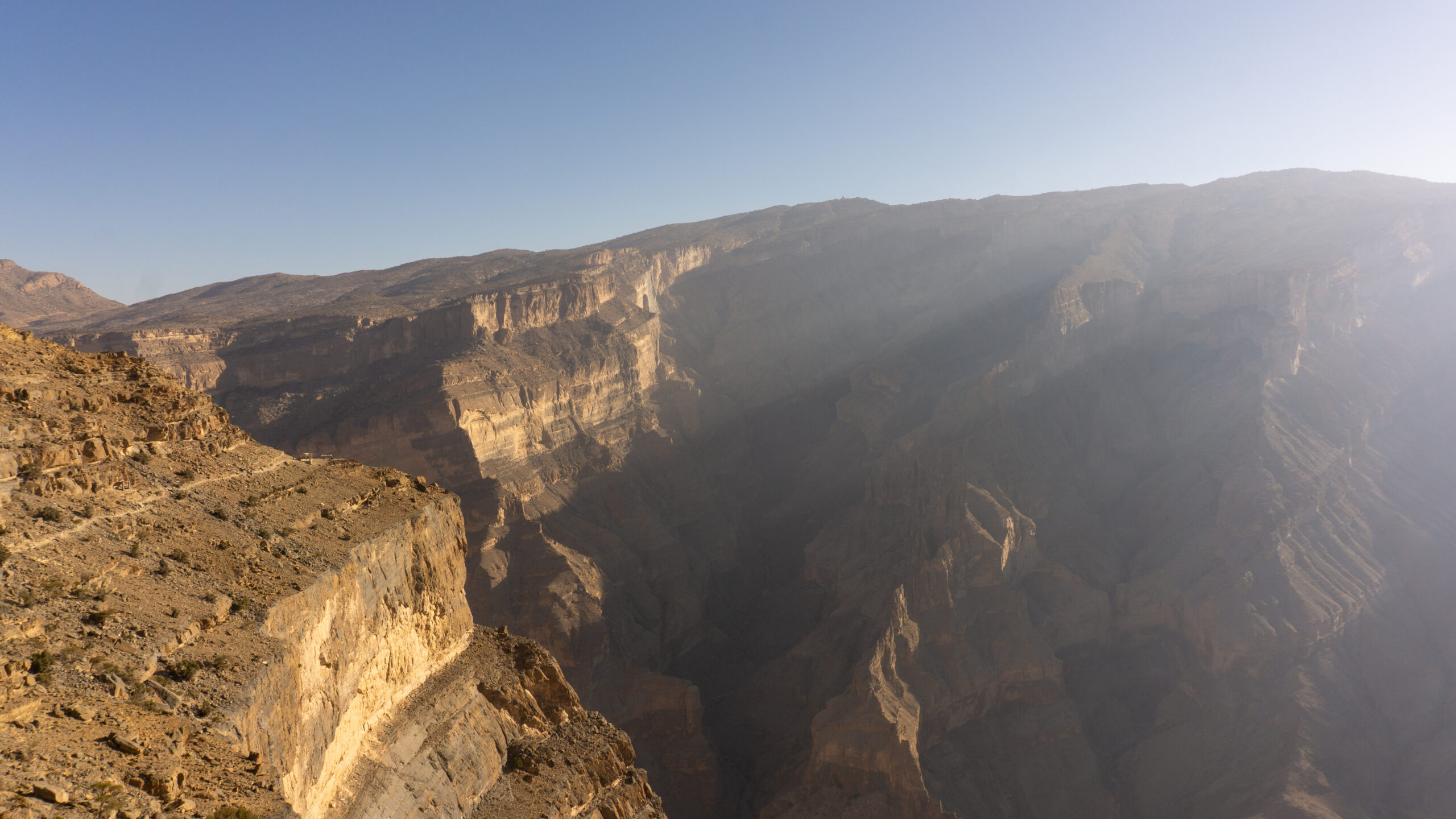
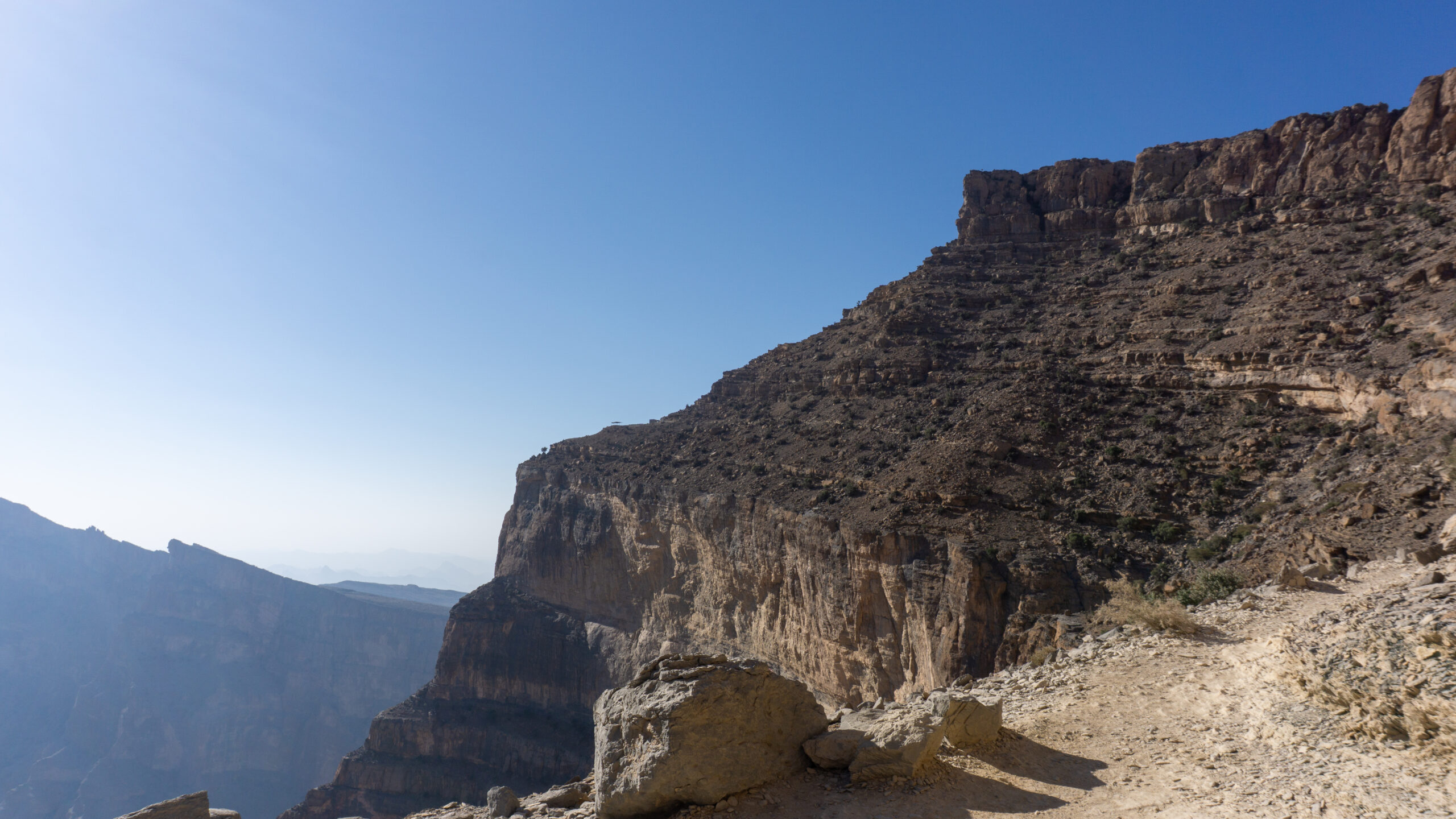
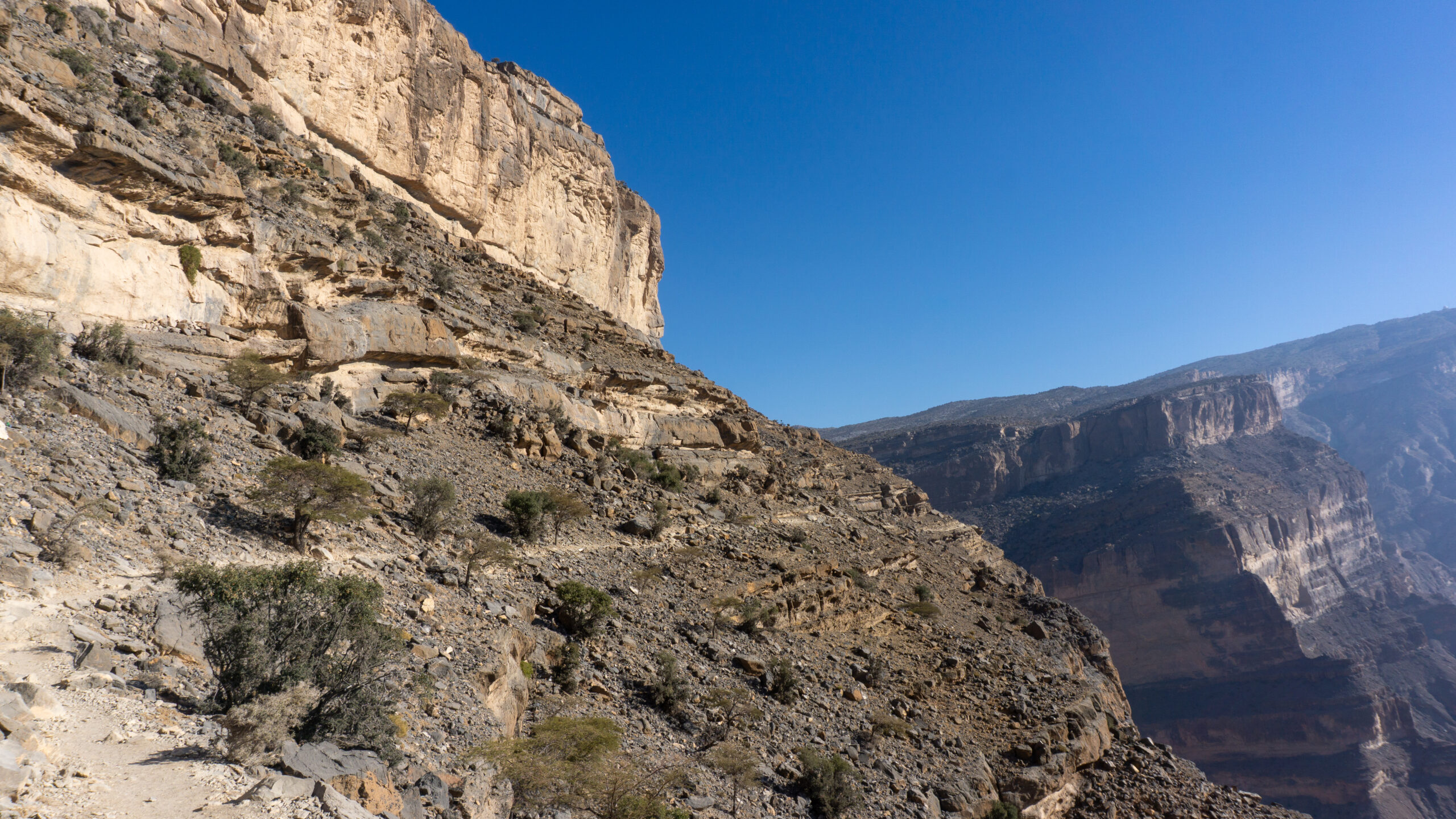
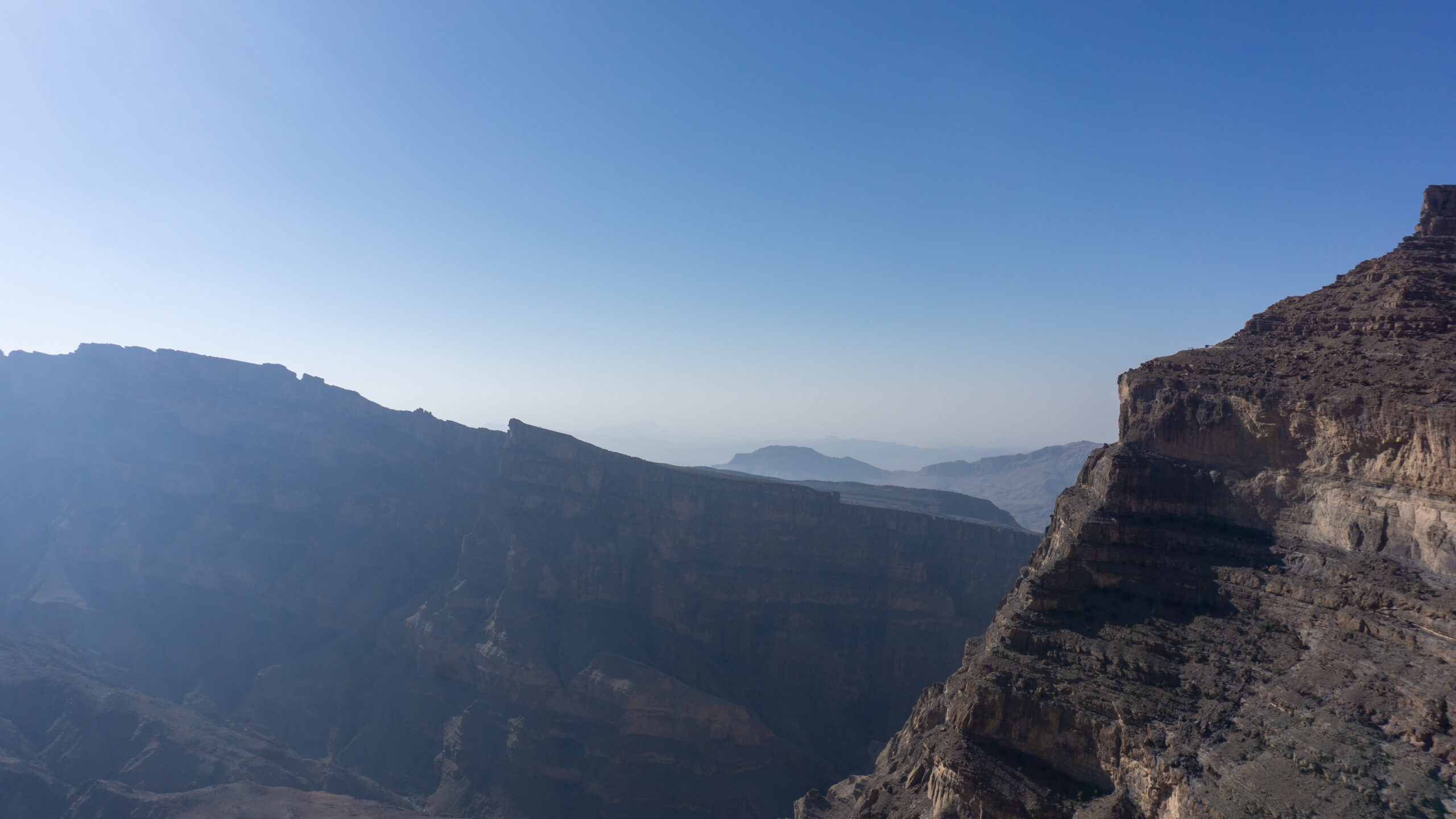
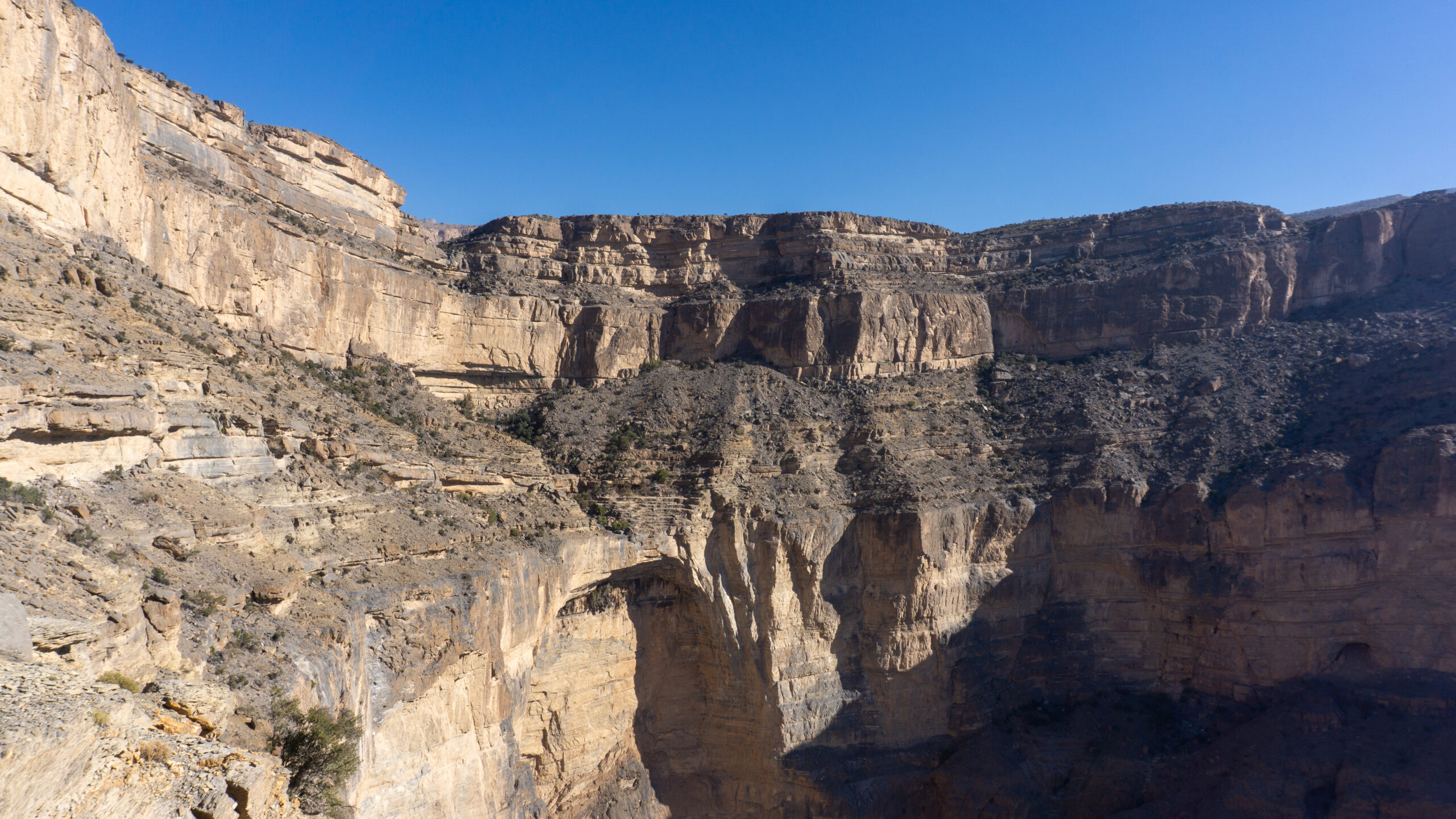
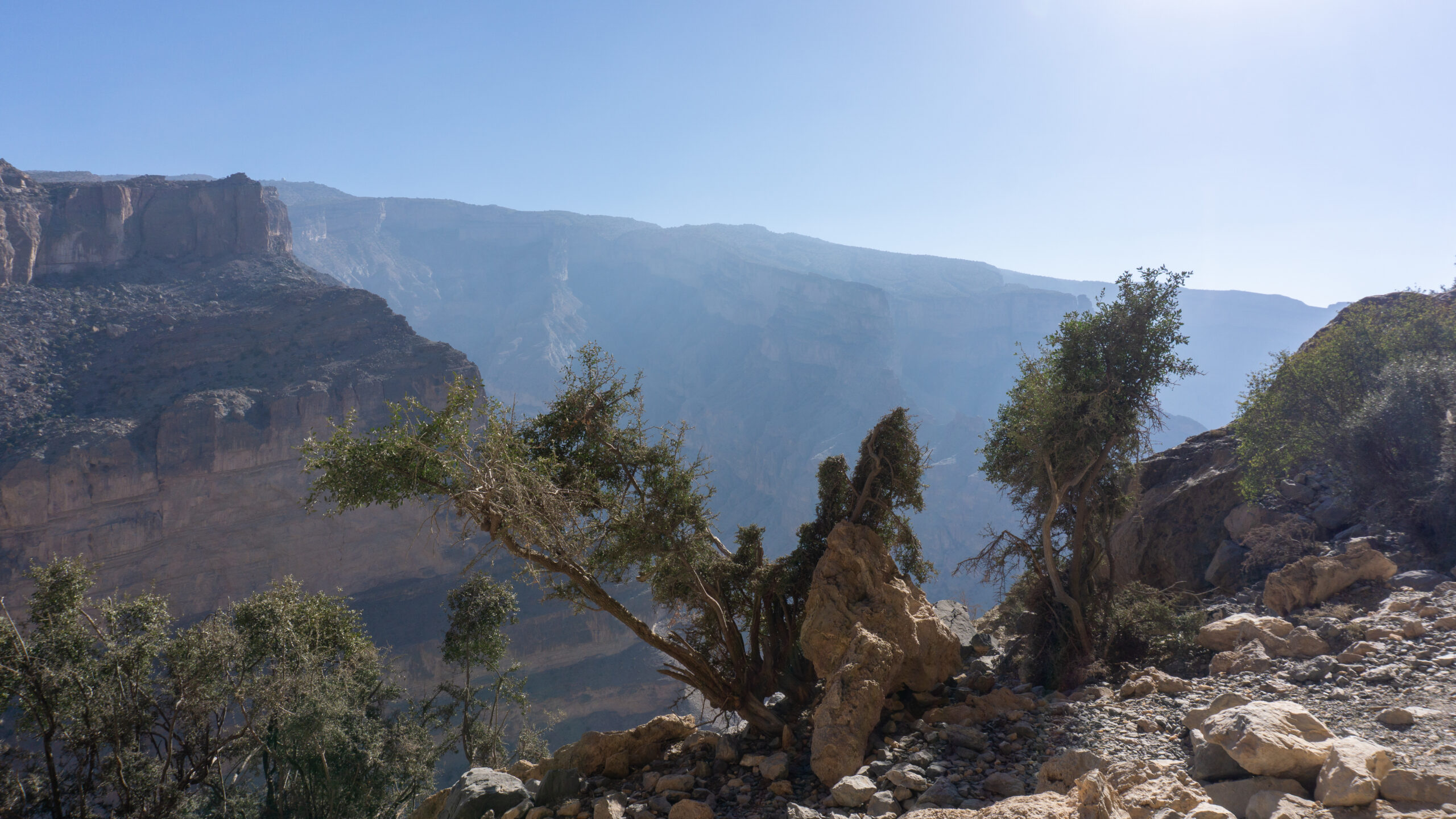
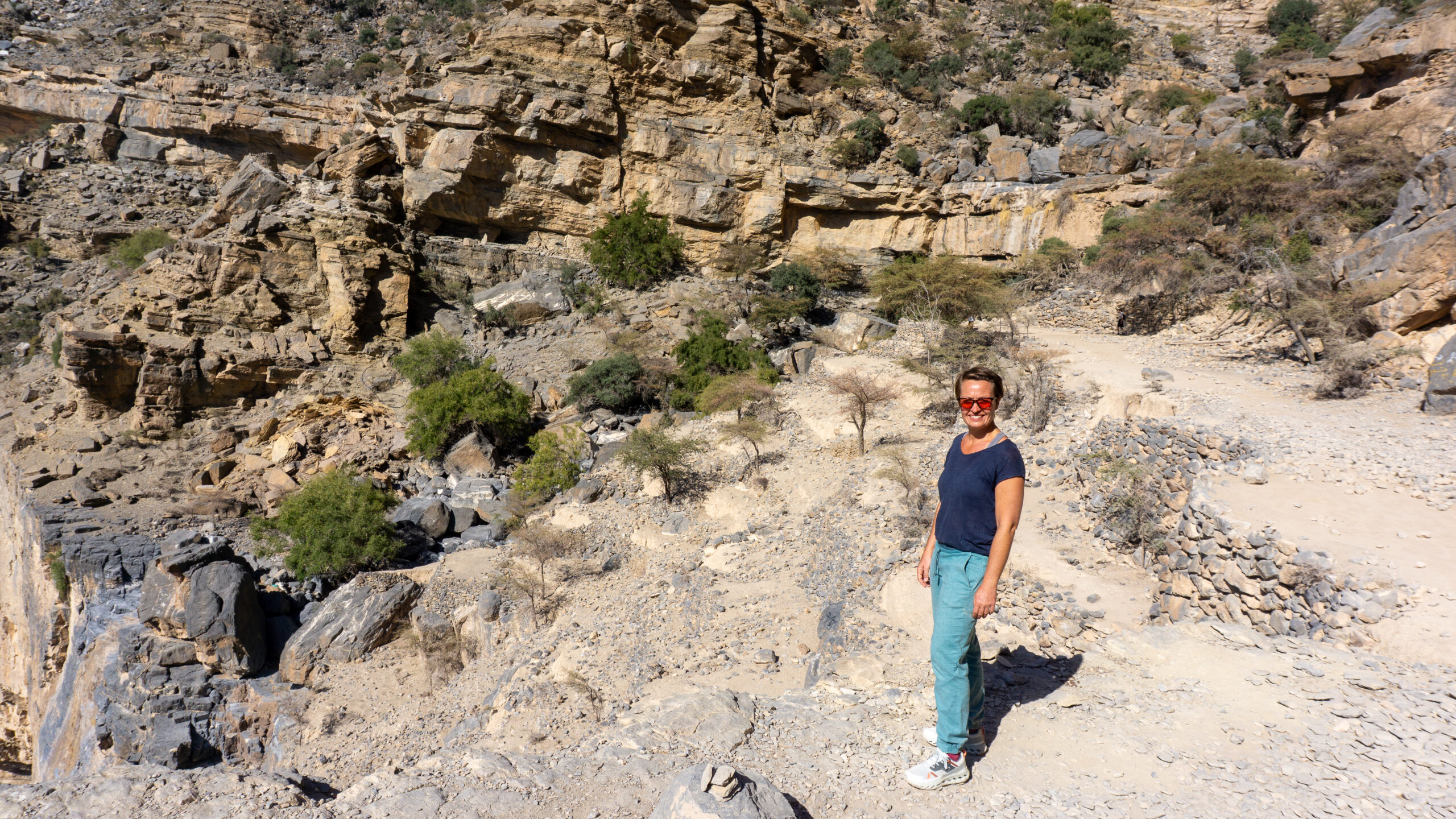
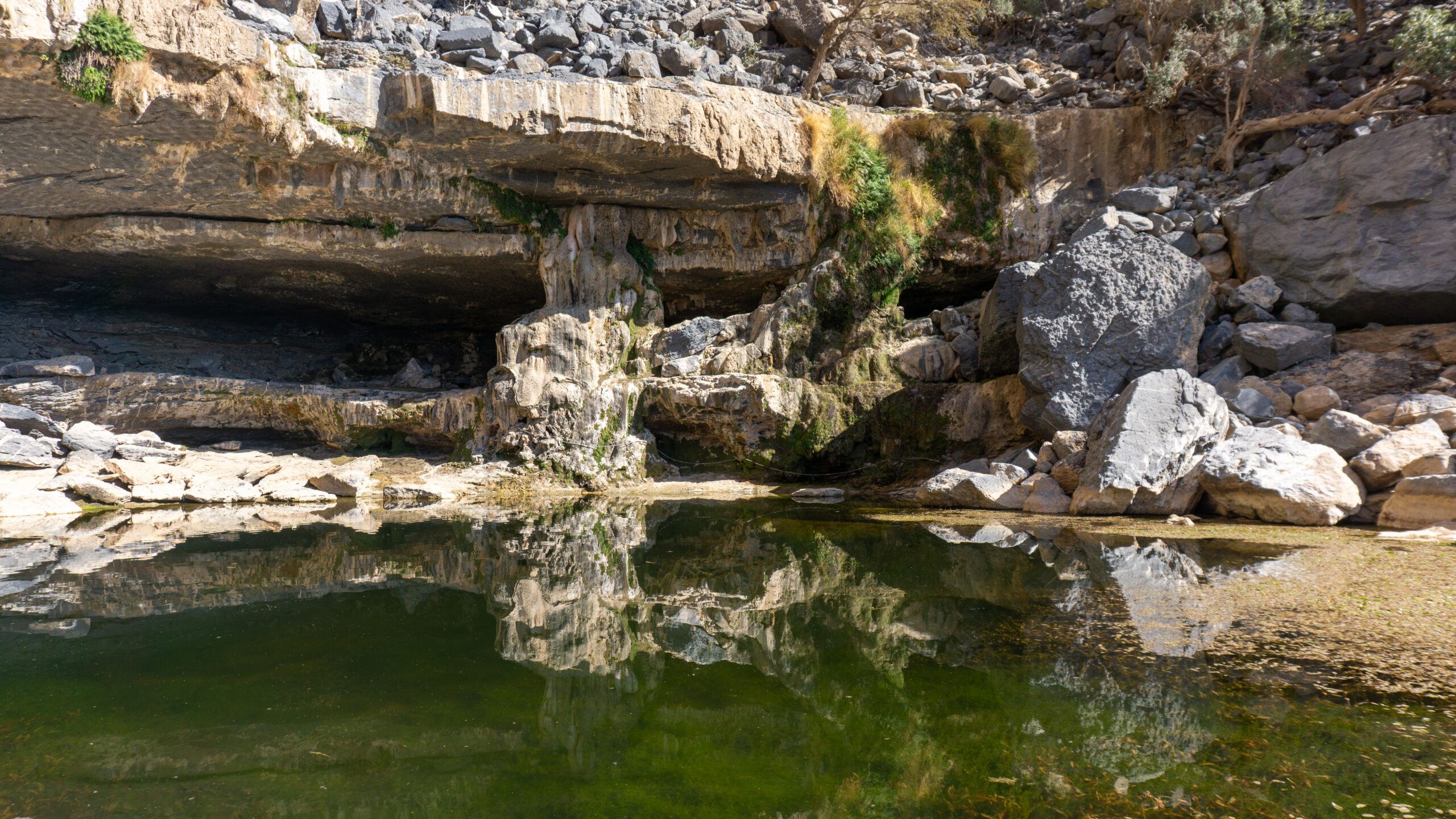
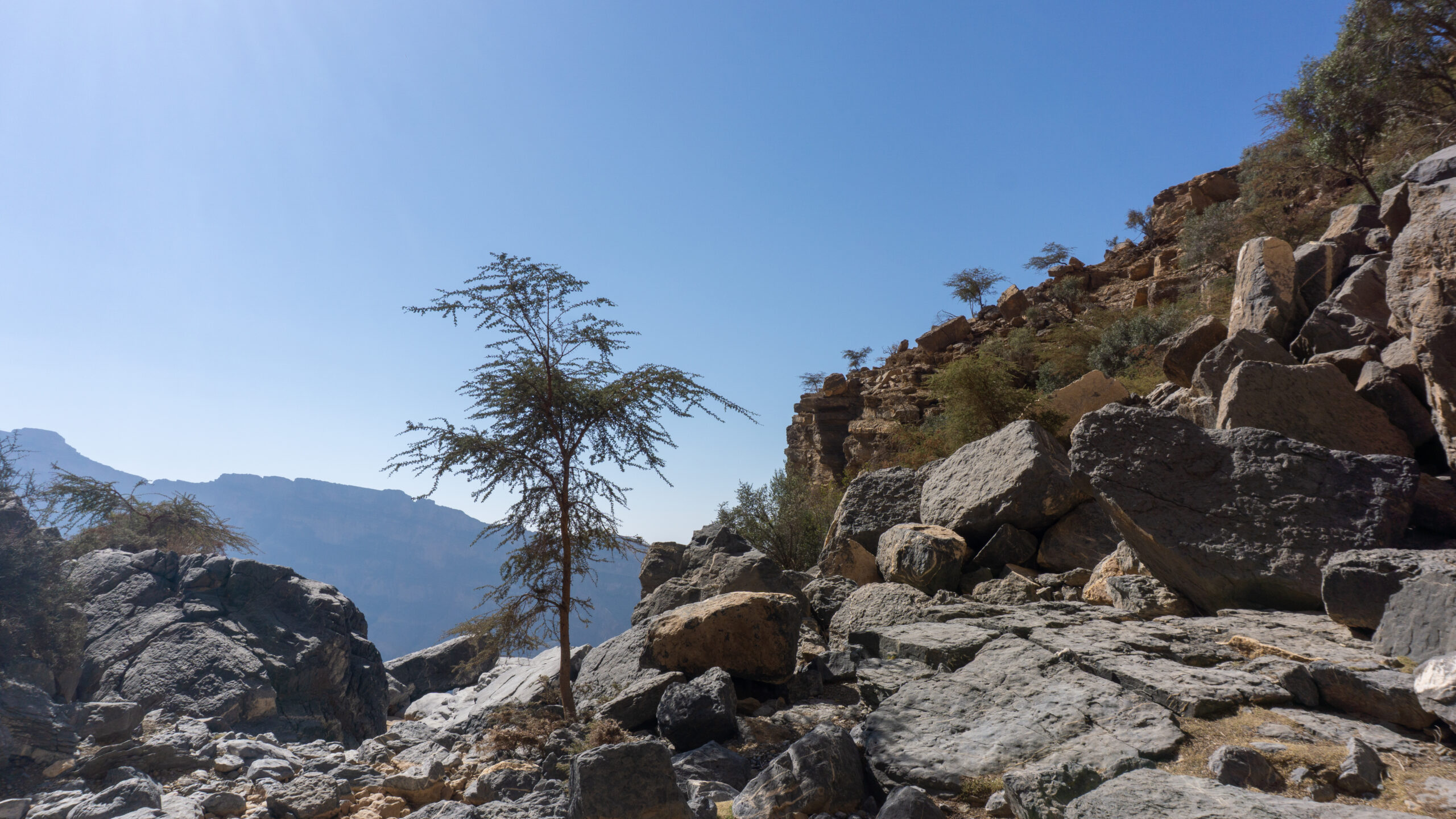
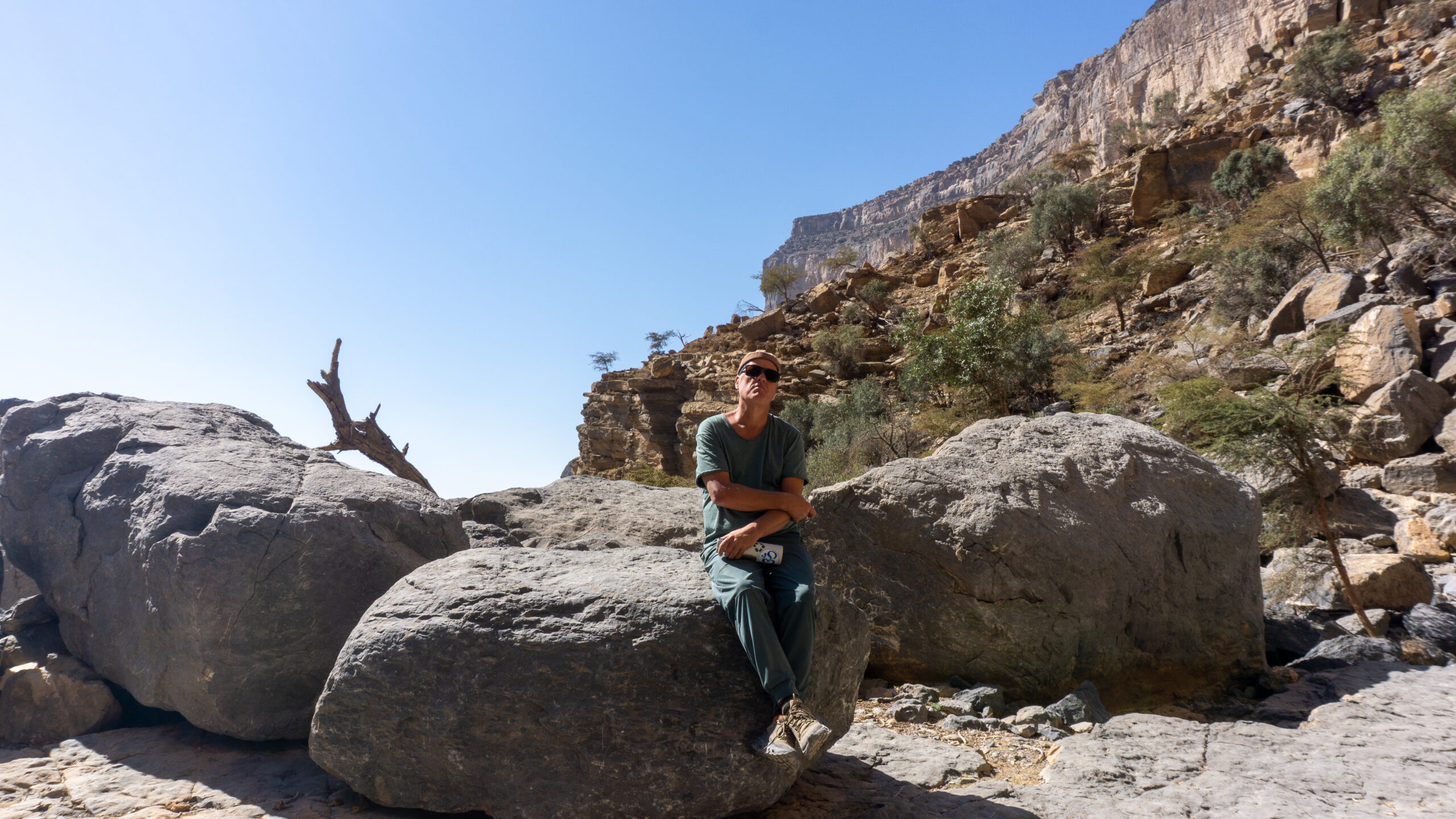
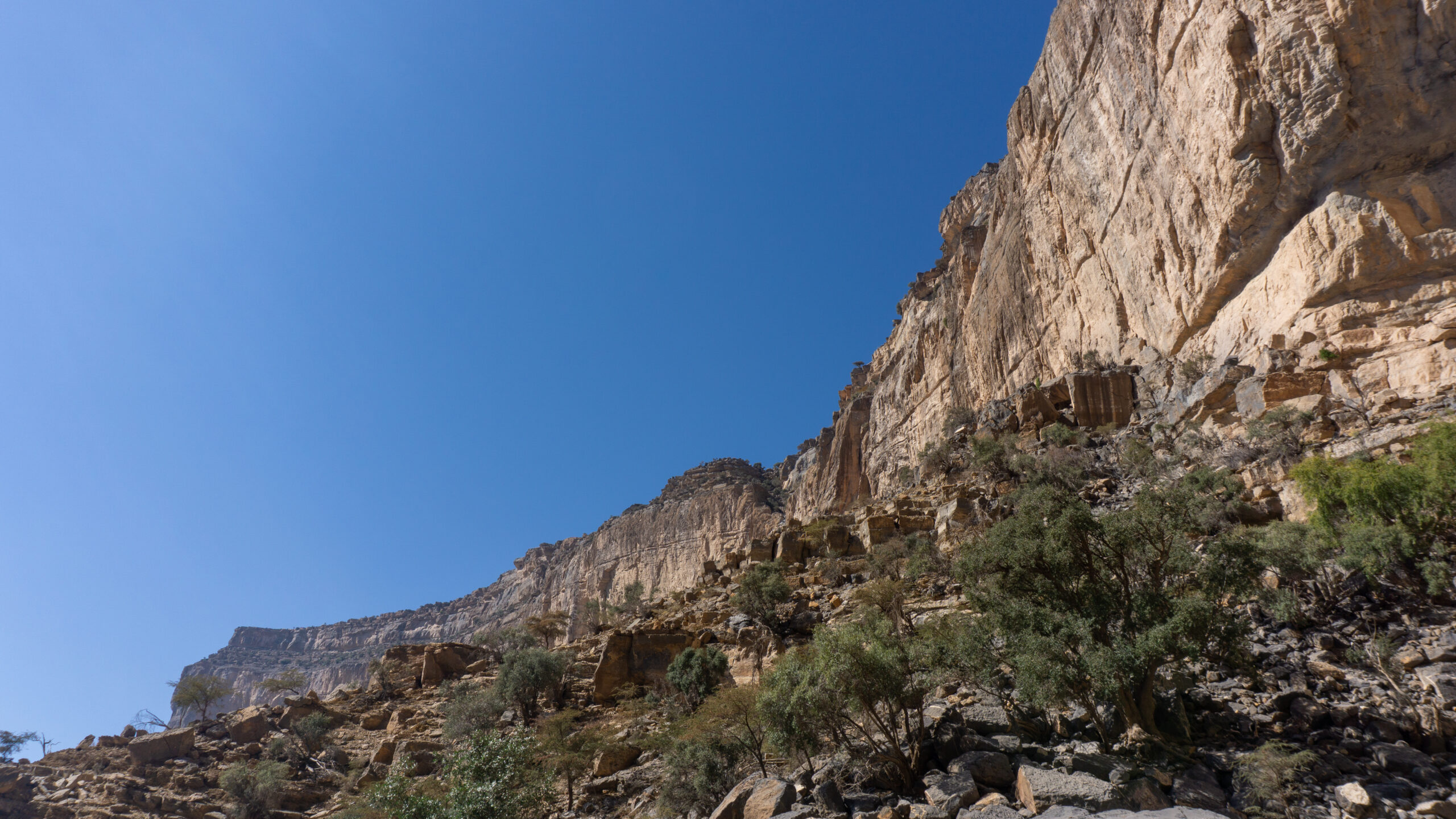
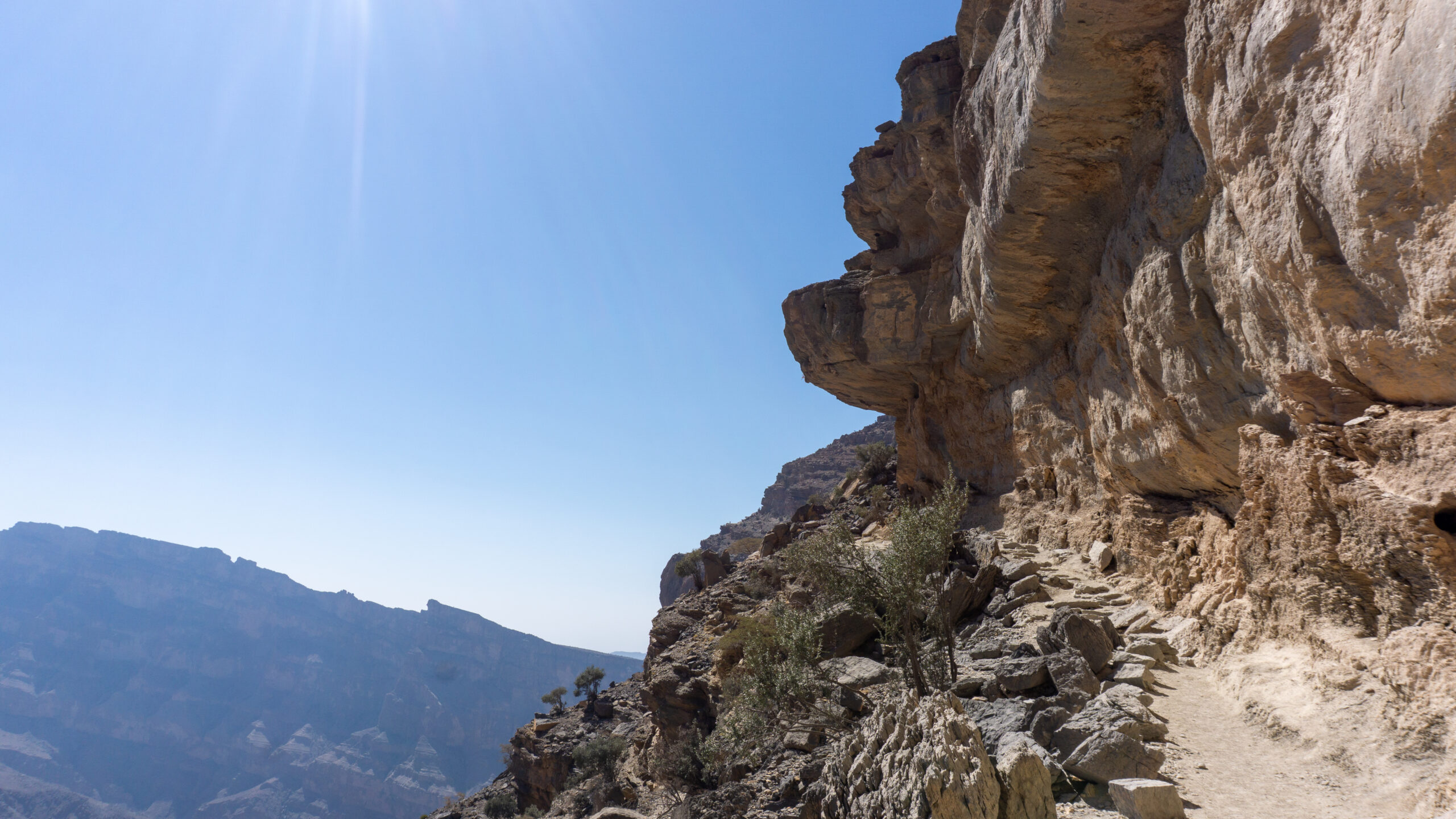
A quick word on the Balcony Trail from Wikipedia“The Balcony Trail (W6) on Jebel Shams is a spectacular hike of about 4 km in Oman, offering spectacular views of Wadi Nakhar (the “Grand Canyon of Oman”).
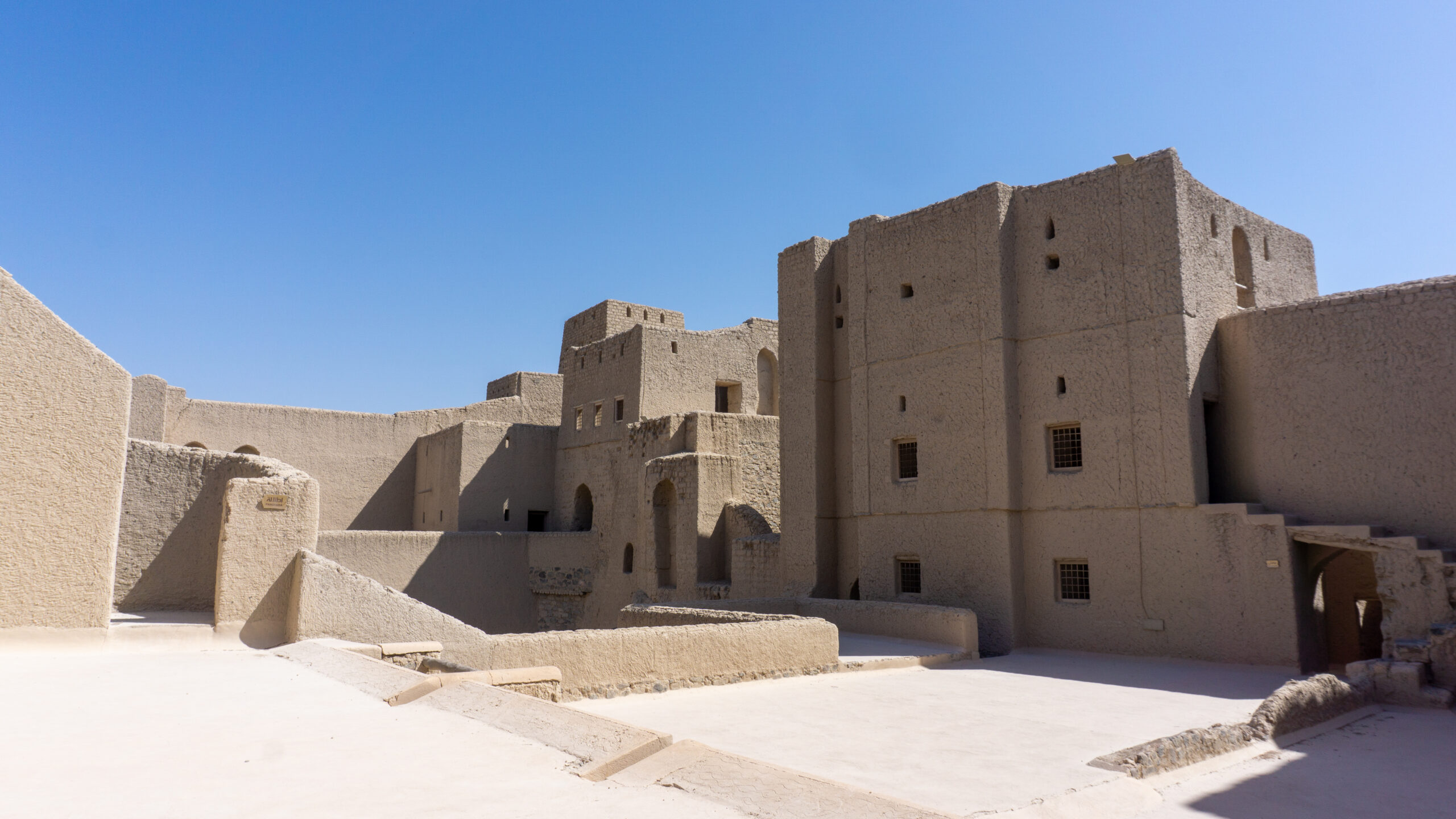
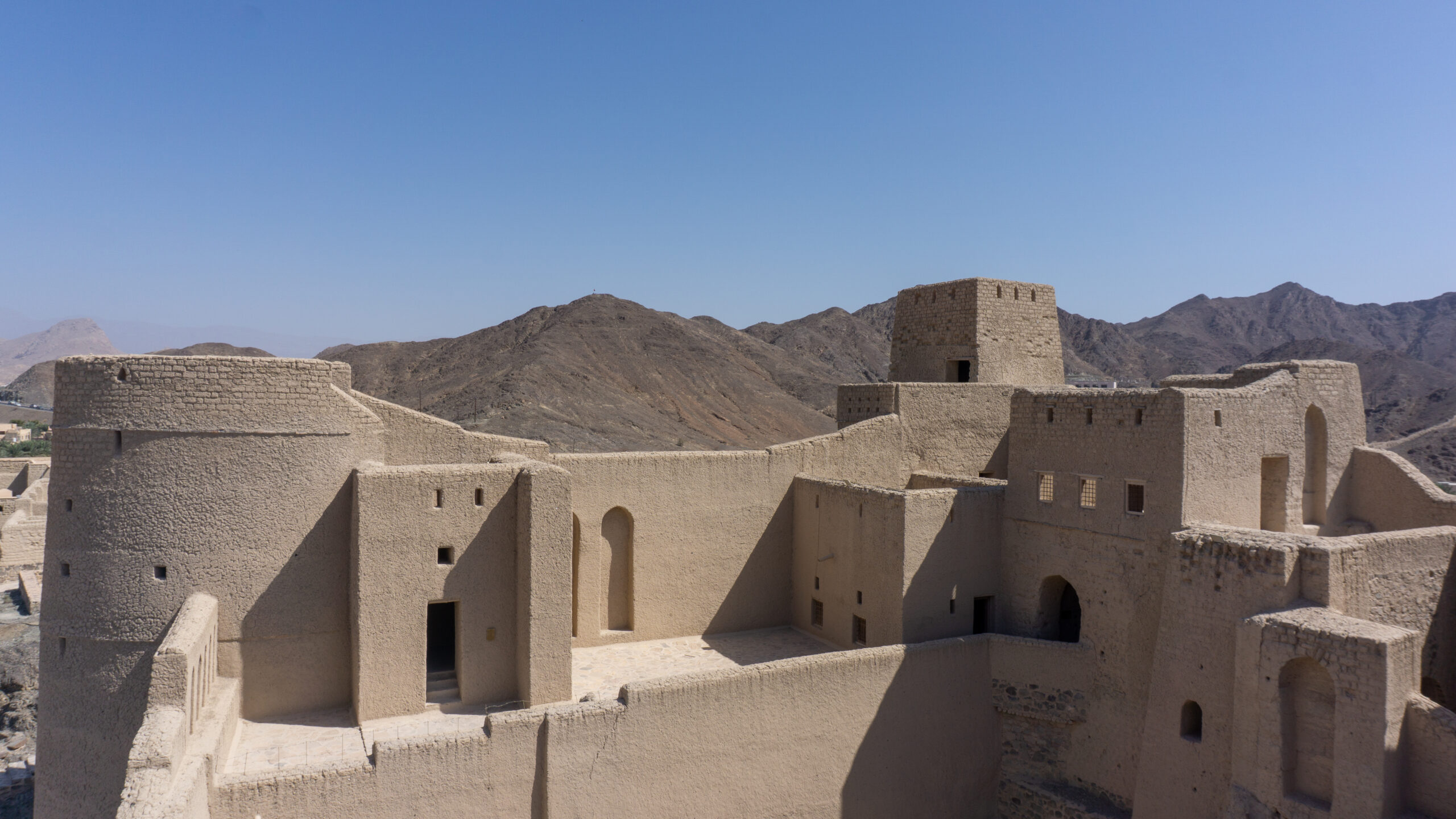
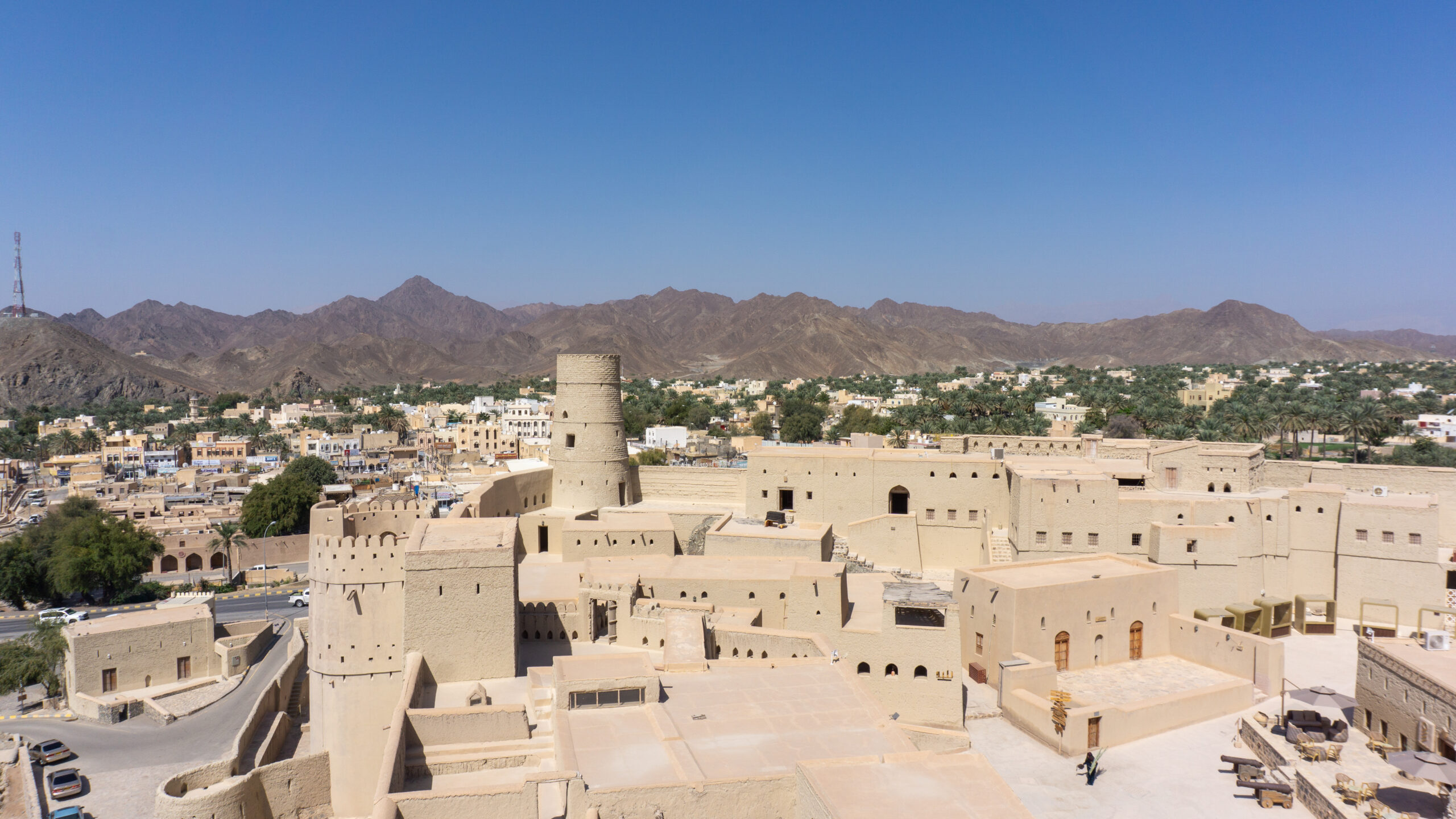
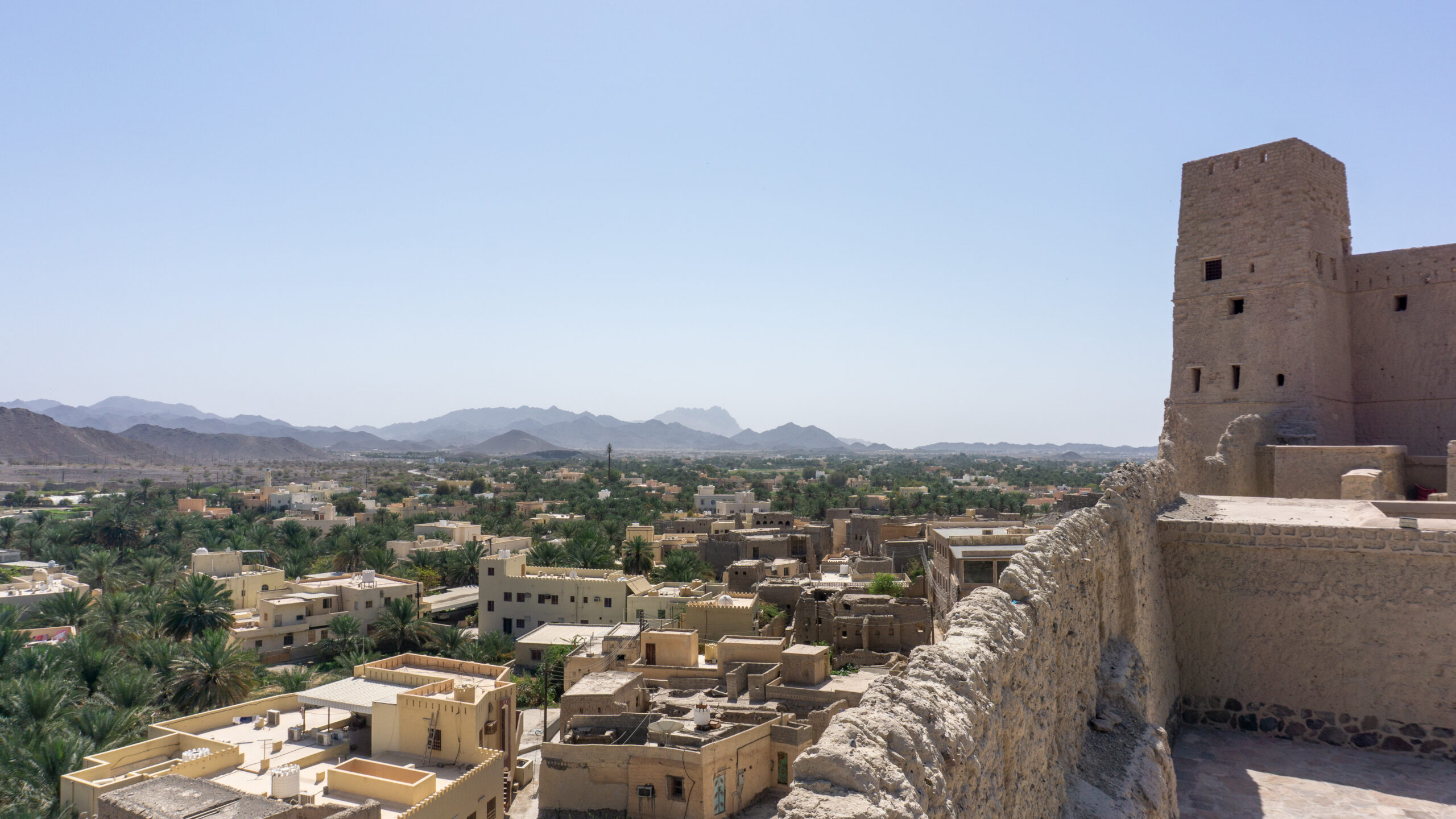
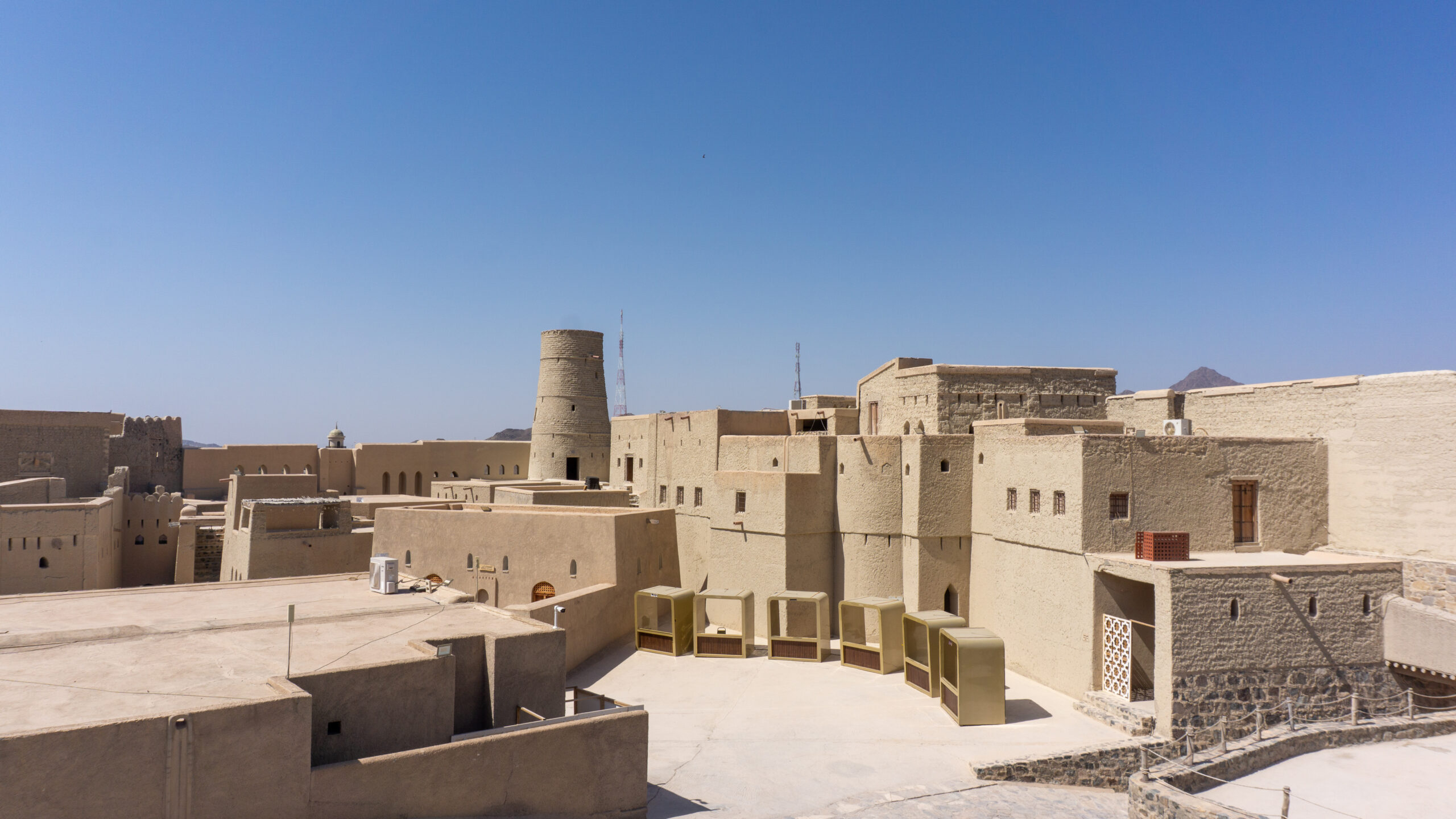
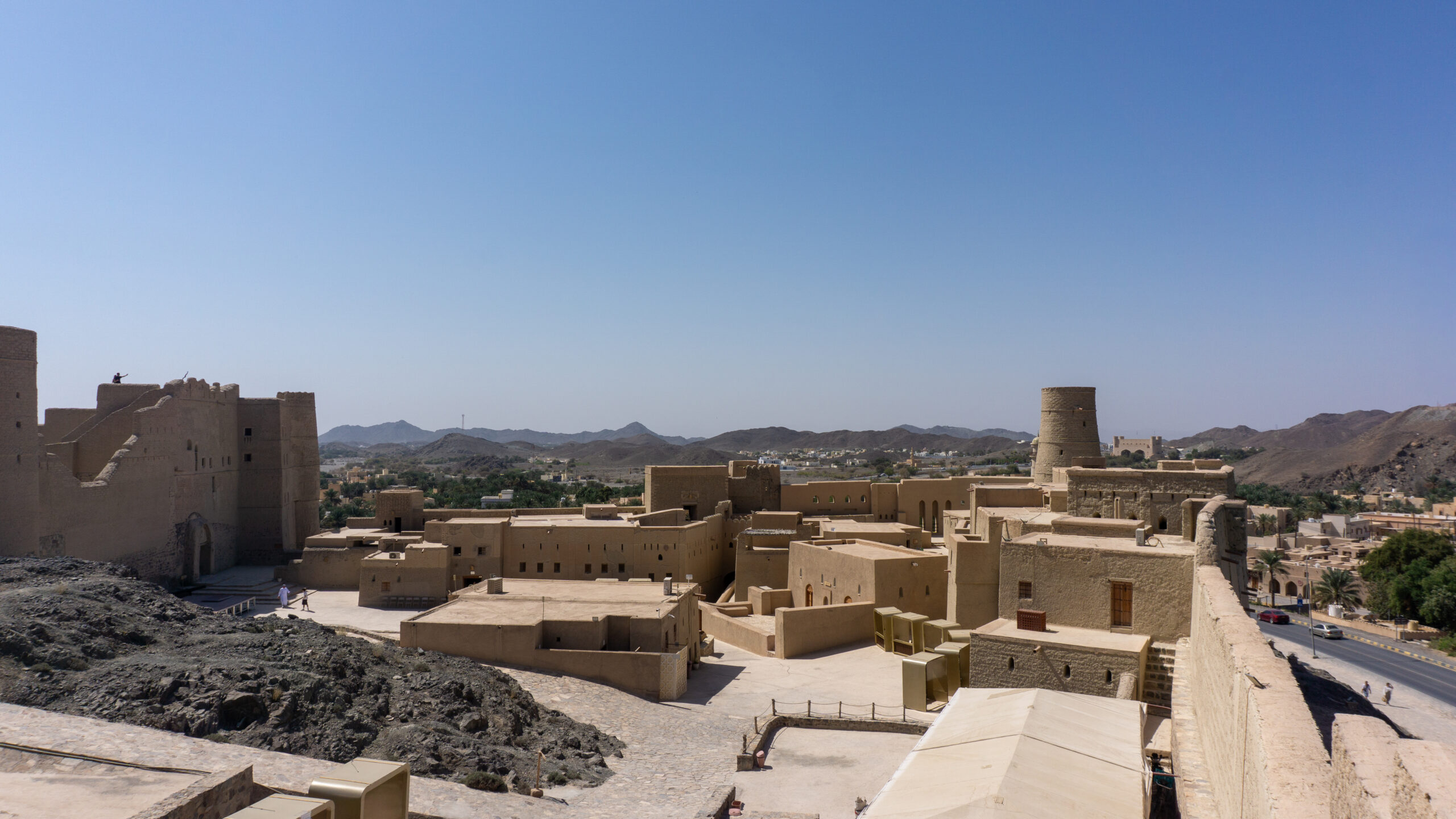
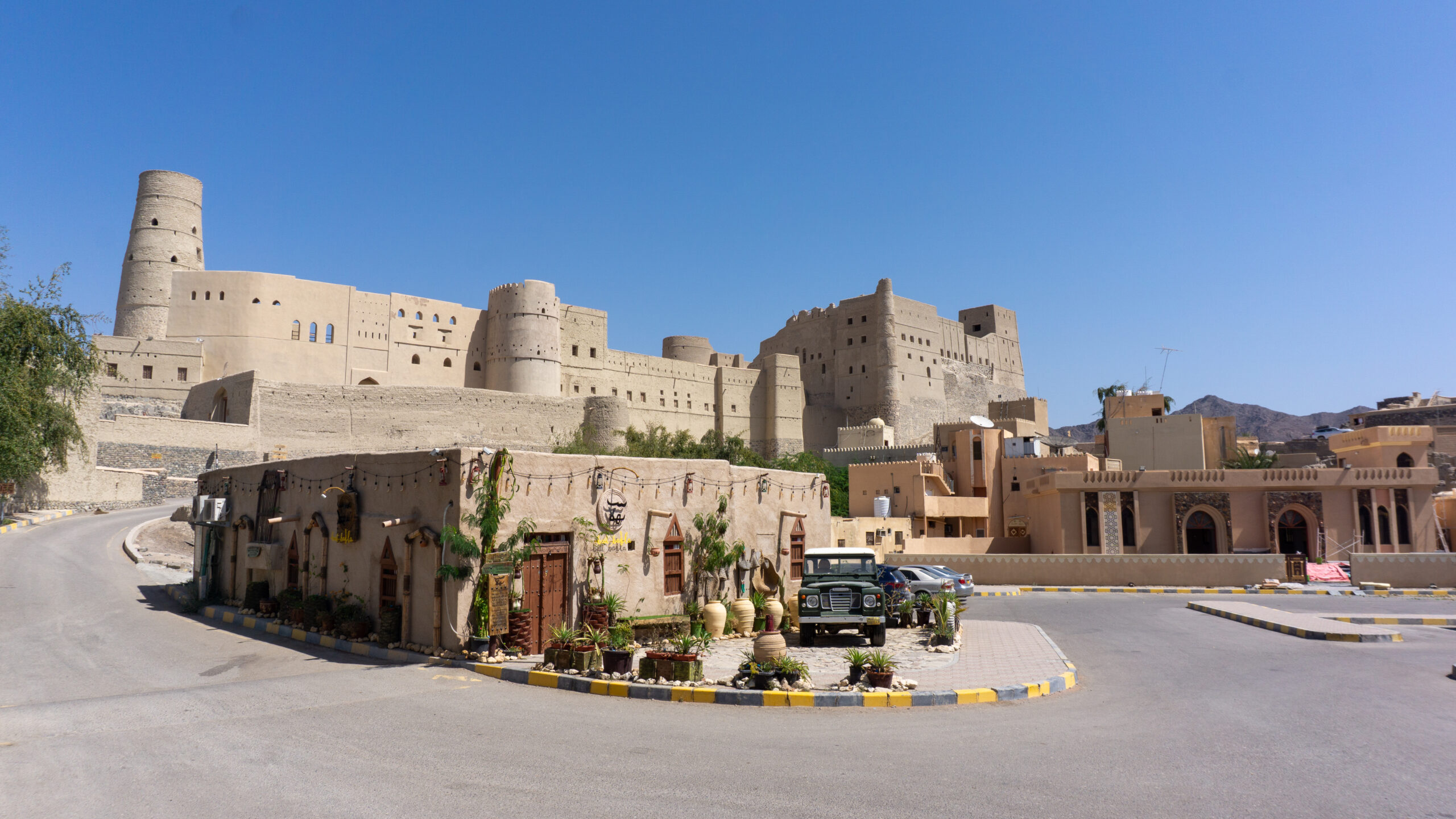
On our way to Jebel Shams we take in another “highlight”: Bahla Fort.Here’s what Wikipedia says about it“The Bahla Fort is a historic mud-brick fortress in northern Oman. It lies on the edge of the oasis town of Bahla, about 40 kilometres west of Nizwa, and is one of the most important fortifications in the country. In 1987 the fort and the surrounding oasis town, enclosed by a twelve-kilometre city wall, became the first site in Oman to be added to the UNESCO World Heritage list”
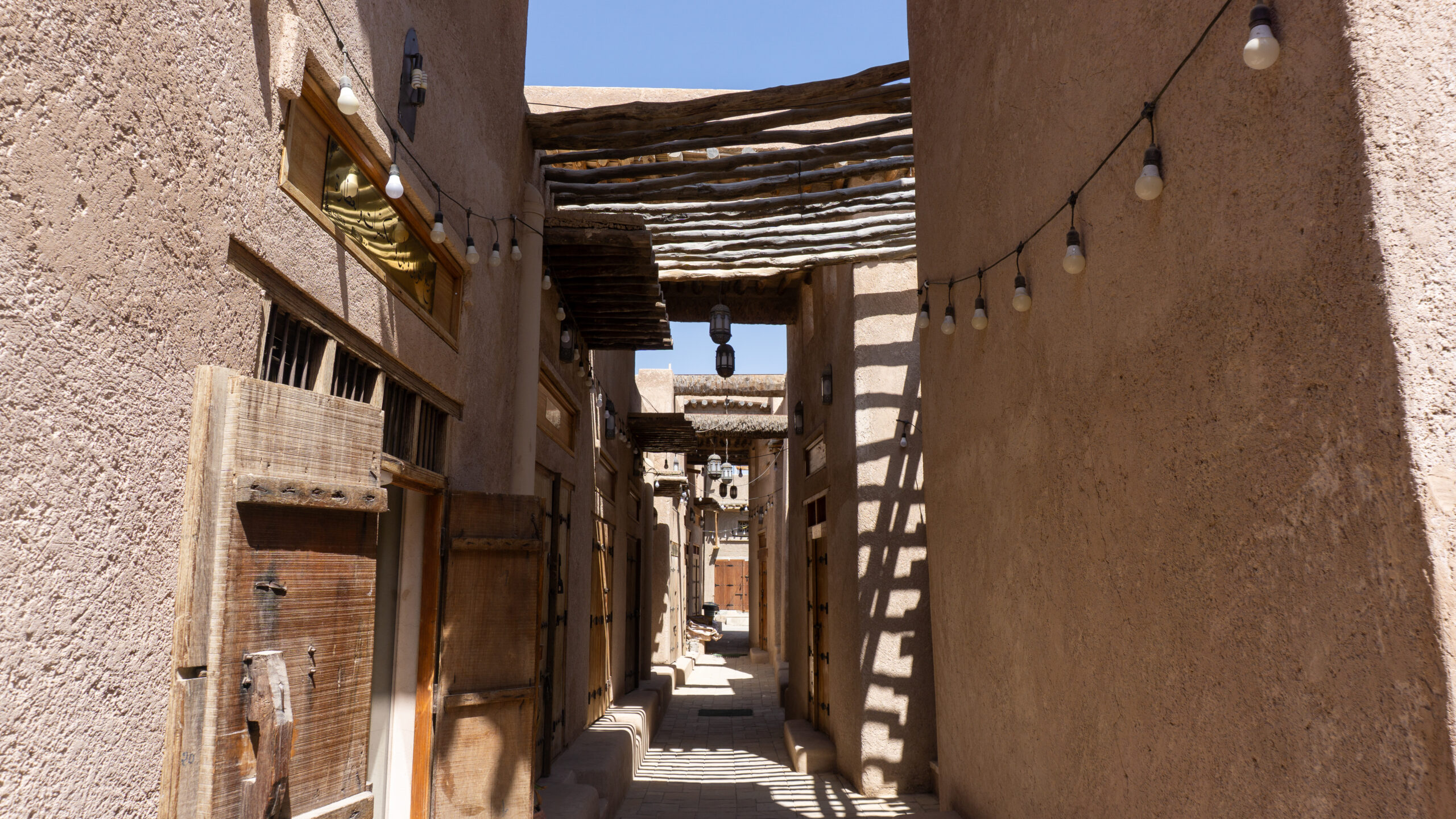
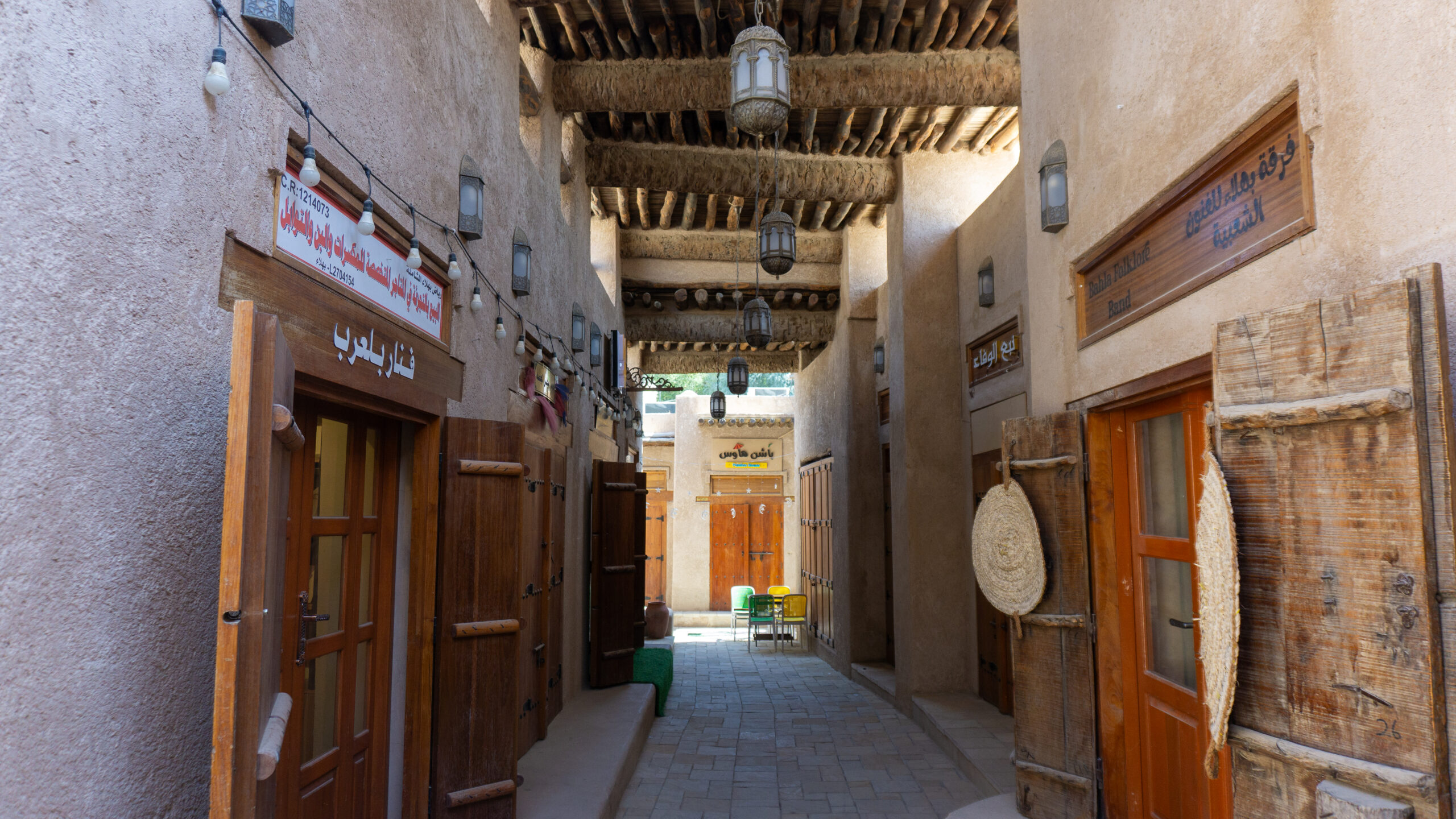
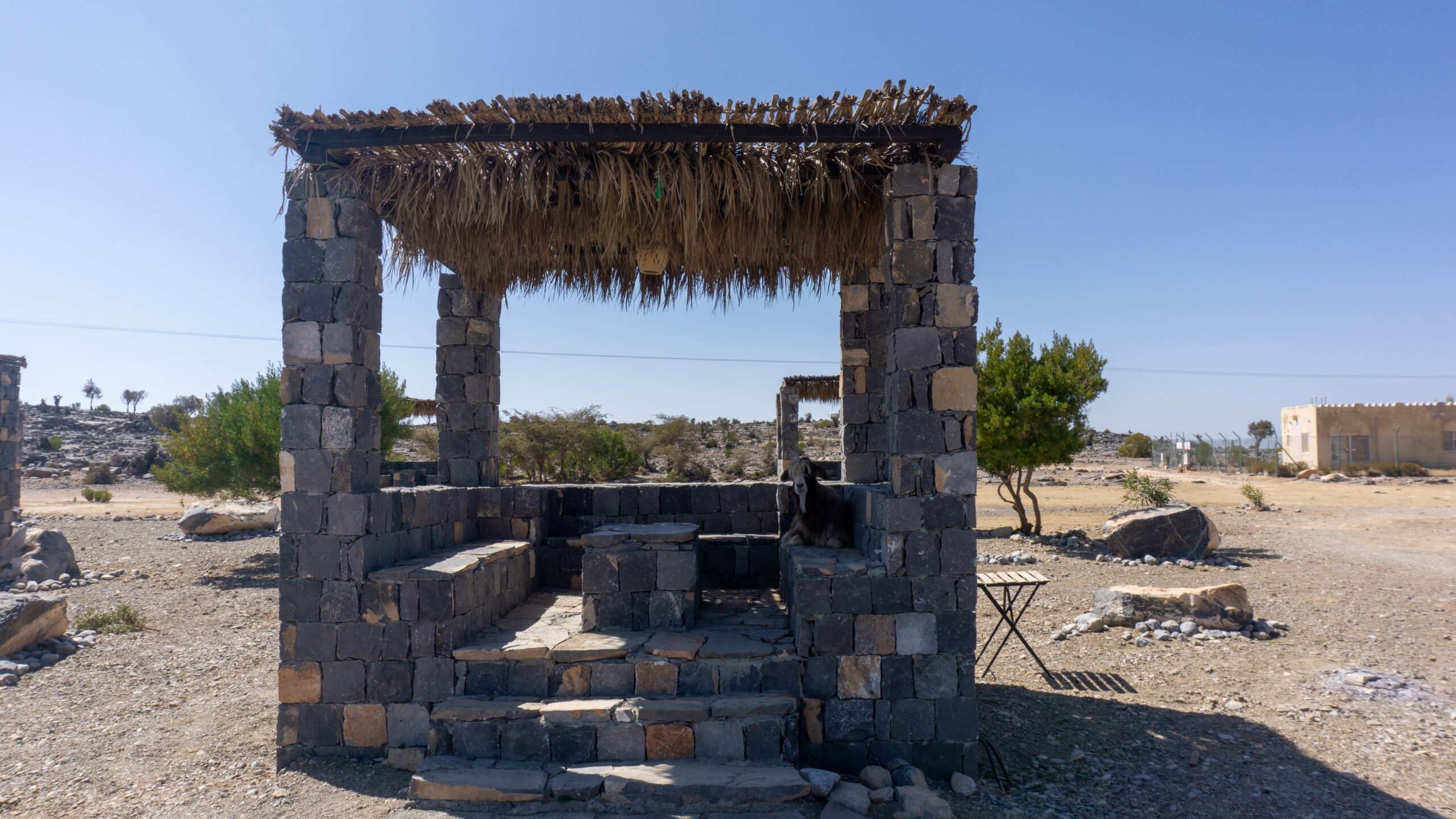
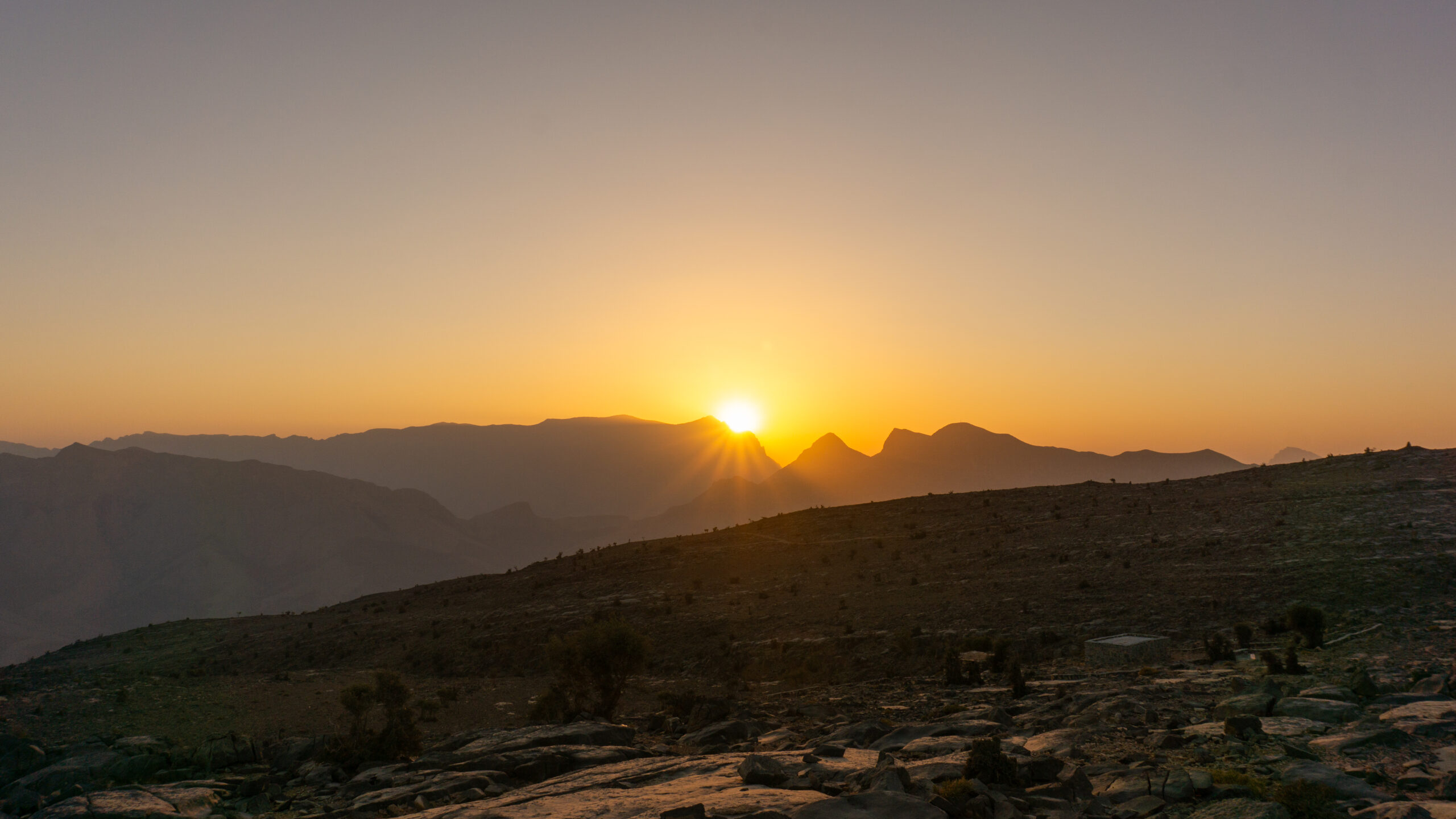
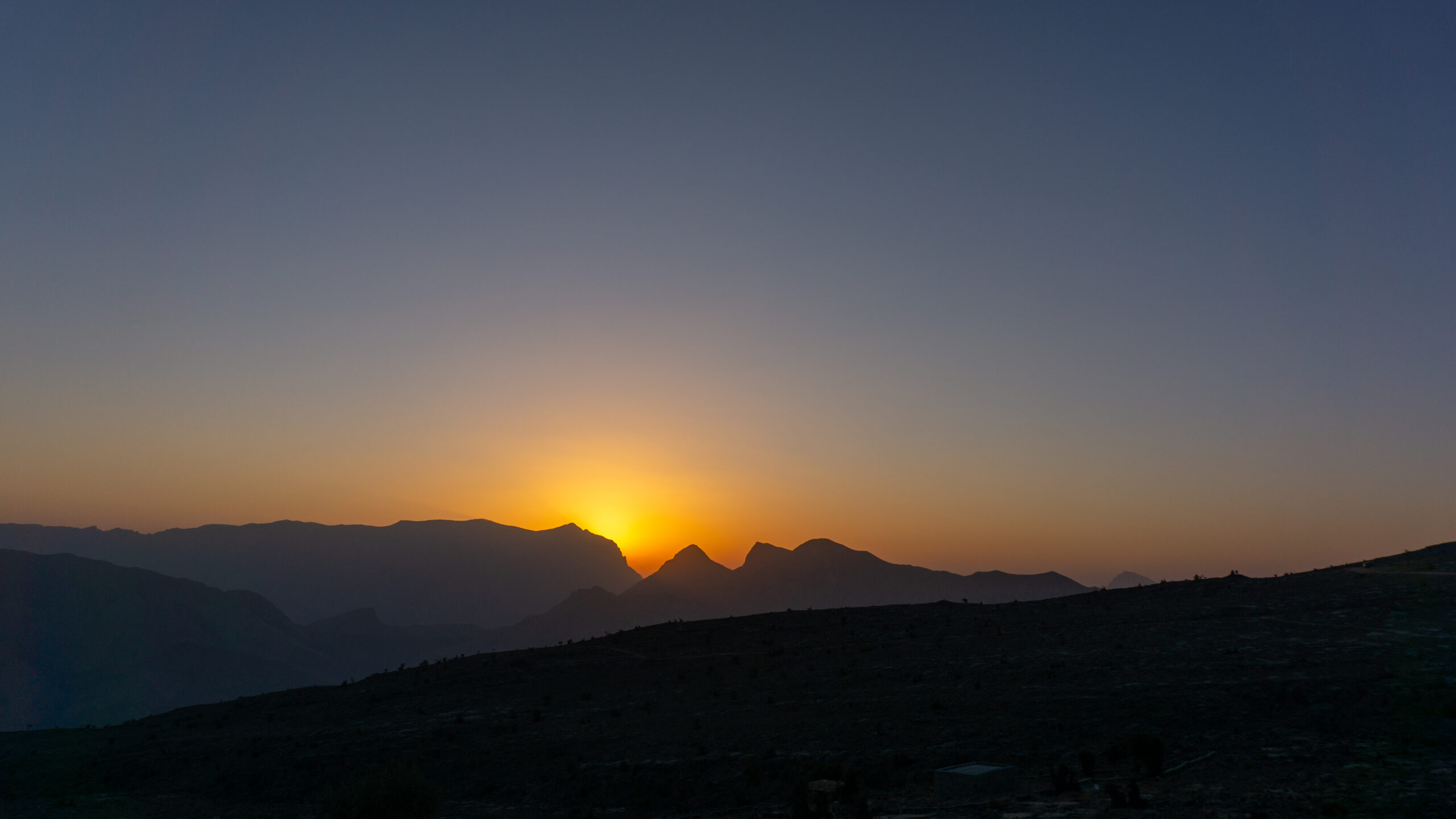
After exploring every corner of the fort, we popped into the souk of Bahla across the road. Really nicely done, but nothing going on because of Ramadan and the wrong time of day. Then we drove on to Jebel Shams without any further stops. There – right at the start of the hiking trail – we first booked one night at the Panorama Guest House. A mega beautiful place – with a view of the canyon from the bed – run and kept in shape more than splendidly by Ibrahim (great guy, from Nepal). We could enjoy the sunset just around the corner too, and that’s where we decided to stay a second night at the Panorama Guesthouse. The guesthouse has only 3 rooms, and Ibrahim cooked for us superbly.
The next day – after breakfast – we set off on a little hike. Not many people around yet and the heat was still bearable. A great trail along the edge of the gorge with great views. Once again a great day comes to an end. We catch the sunset one more time and round off the day with tea and a nice dinner at our guesthouse. It was lovely!
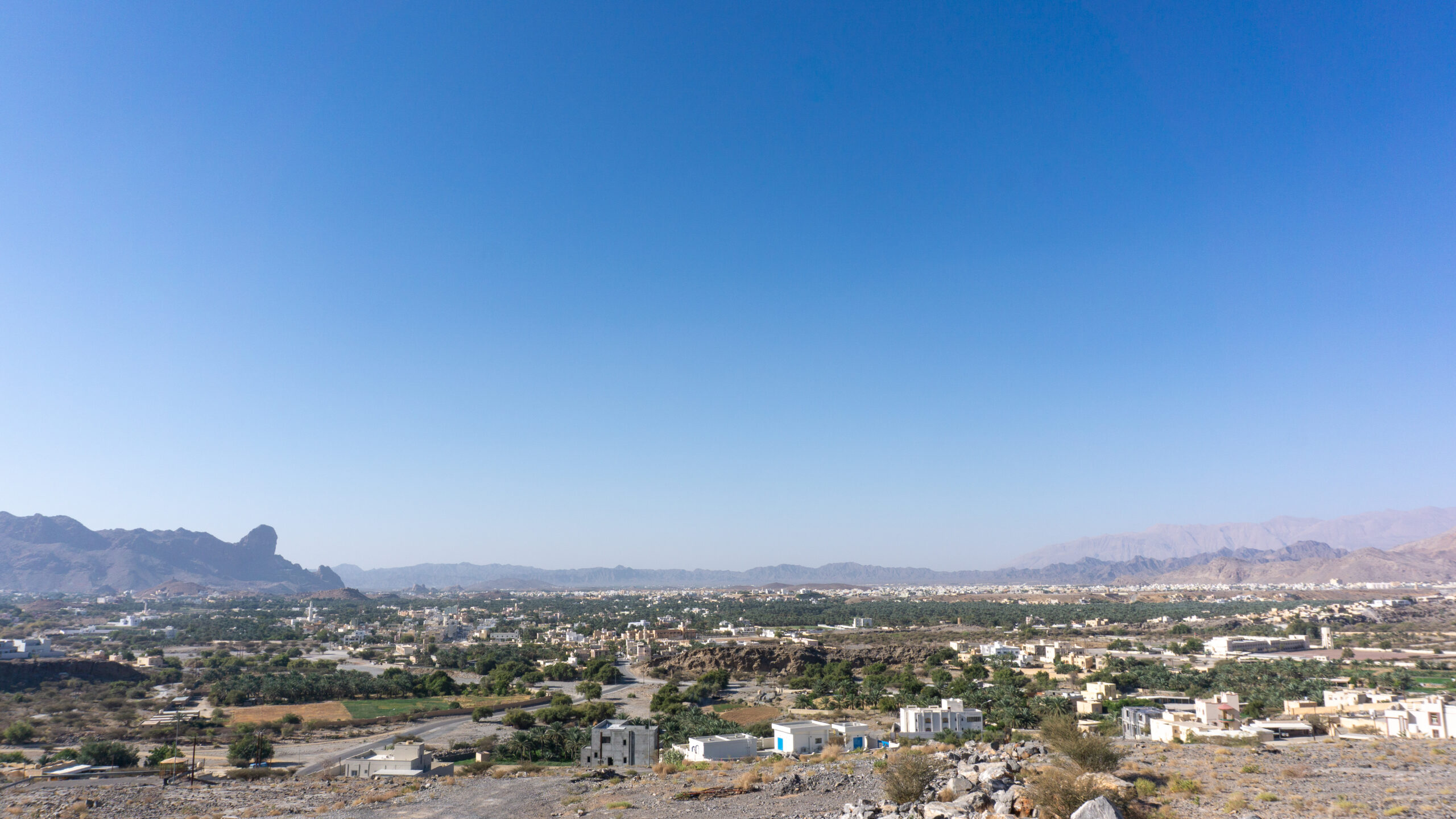
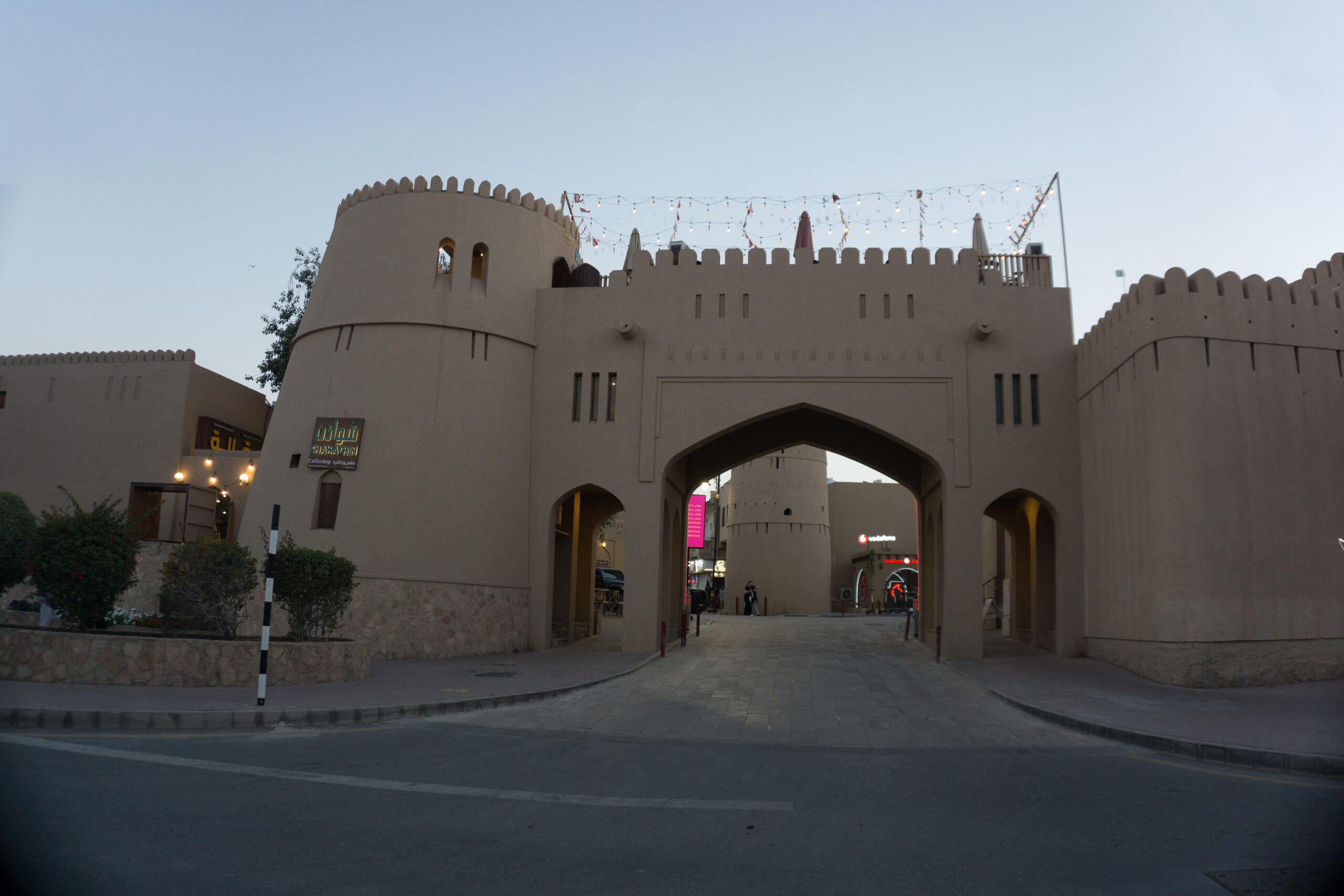
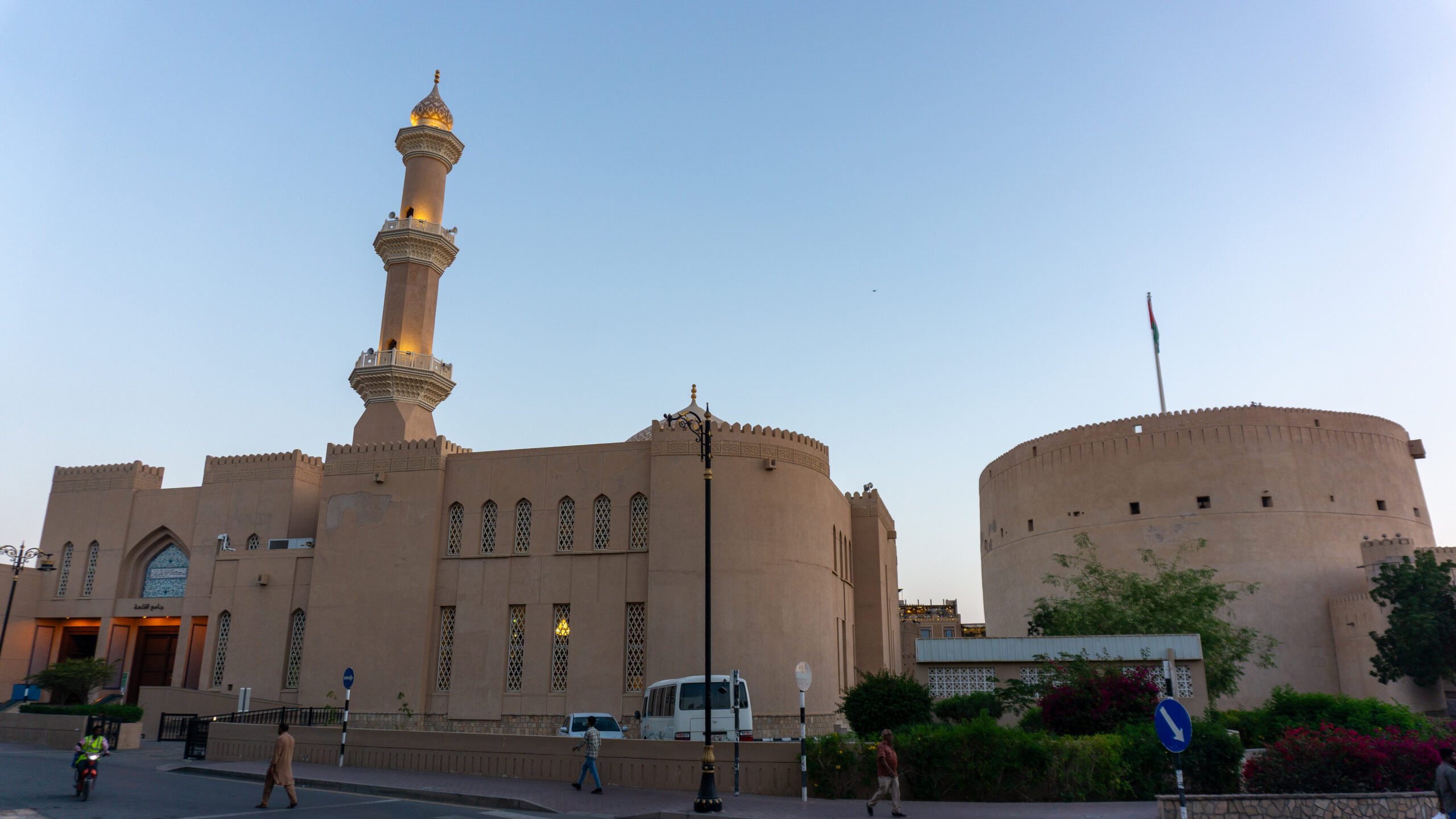
Our next destination is Nizwa. Some general info on Nizwa from Wikipedia“Nizwa, the historic “Pearl of Islam” and former capital of Oman, is a cultural centre on the edge of the Hajar Mountains. Known for its imposing round-tower fort (17th century) and its traditional souk (silver, dates), the oasis town offers deep insights into Omani traditions. It’s an ideal starting point for tours to Jebel Akhdar”
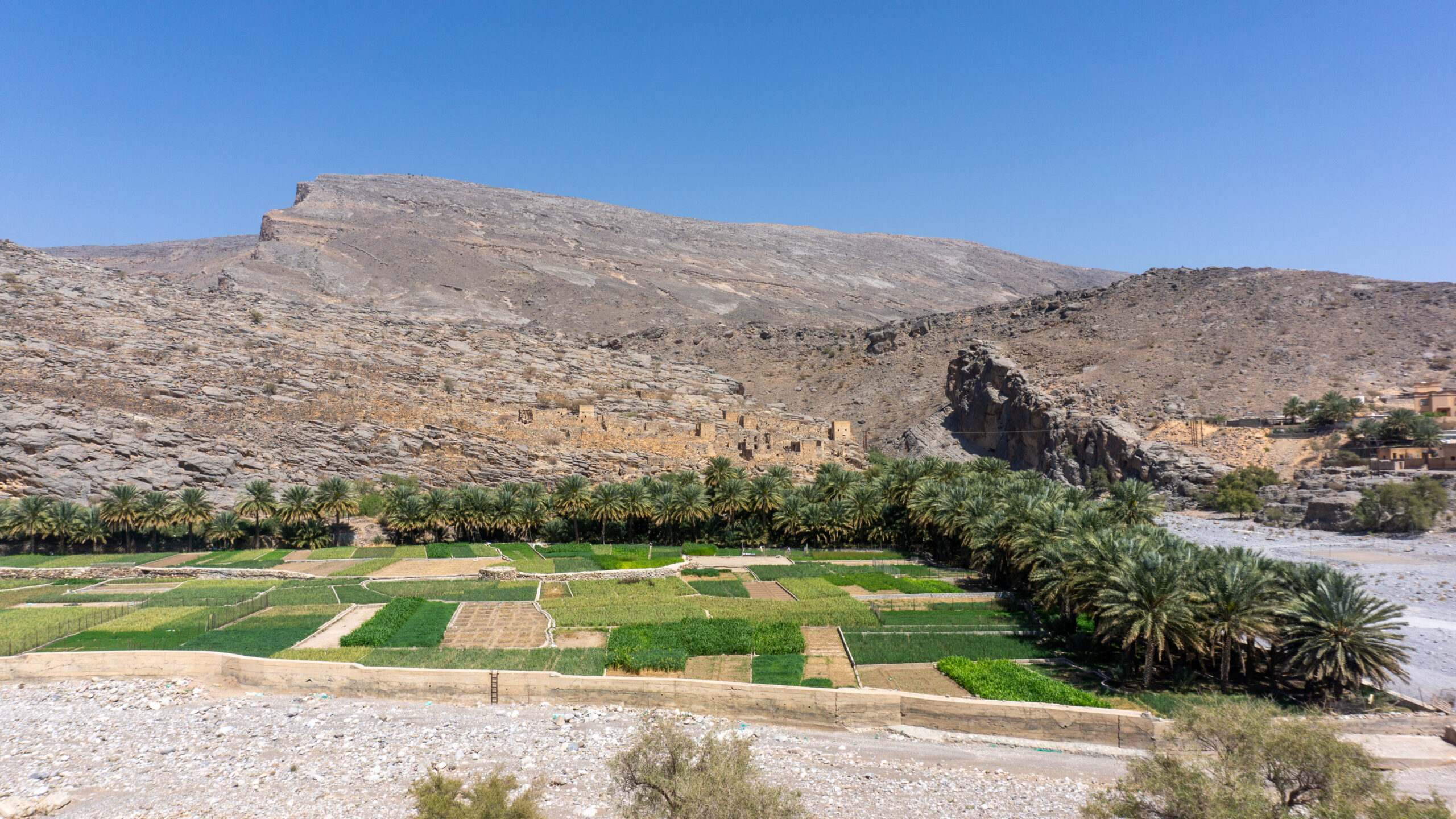
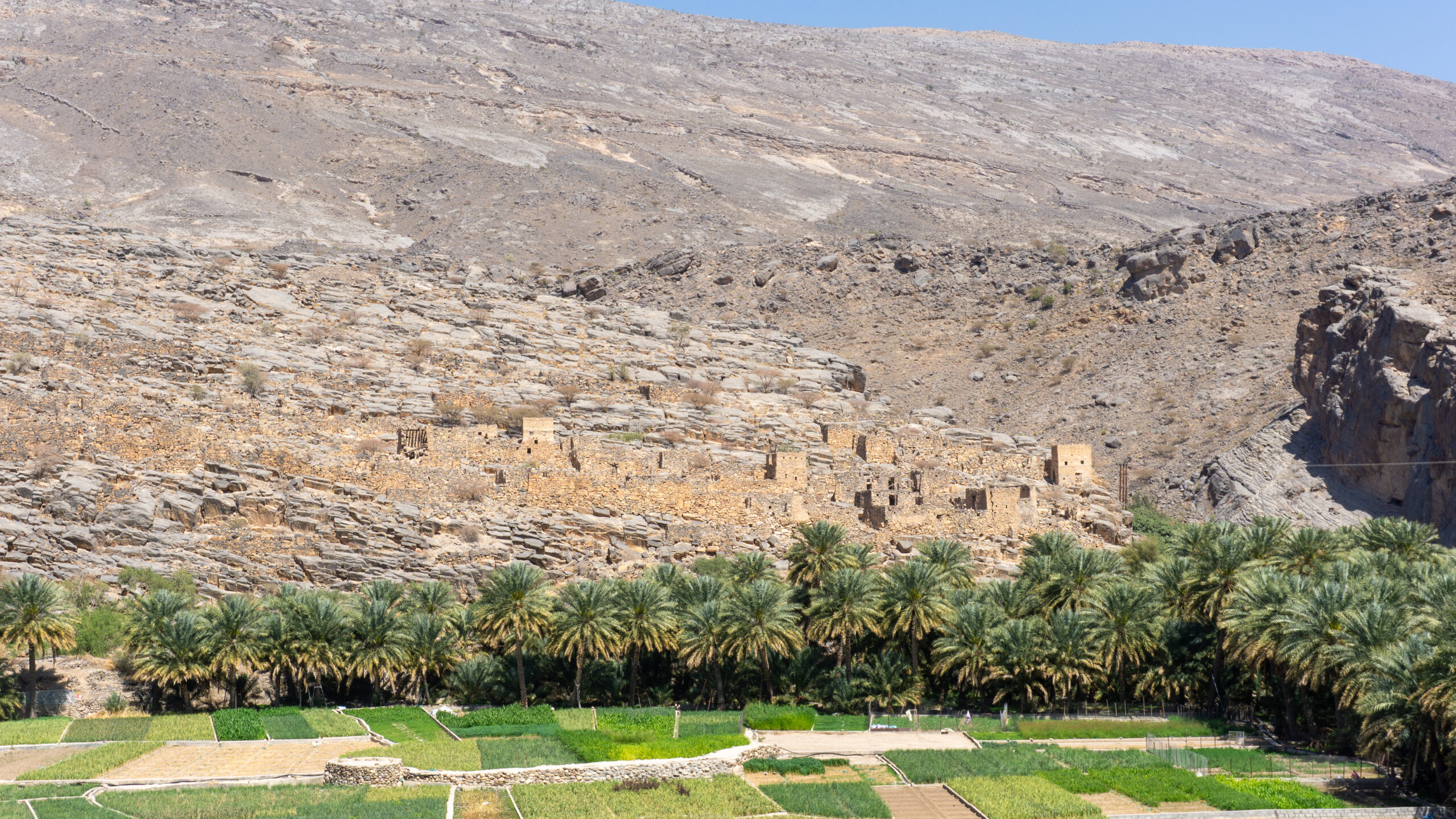
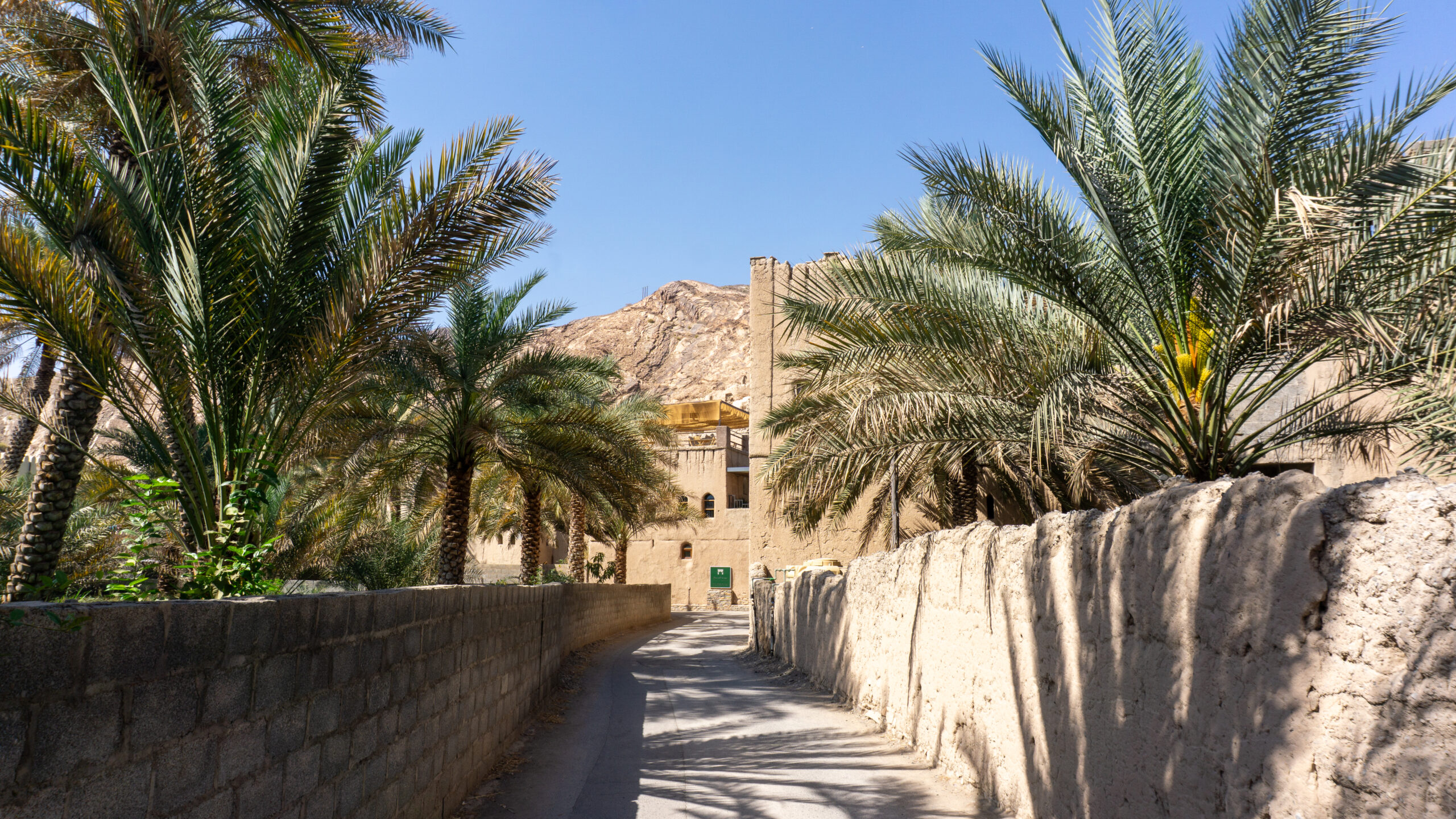
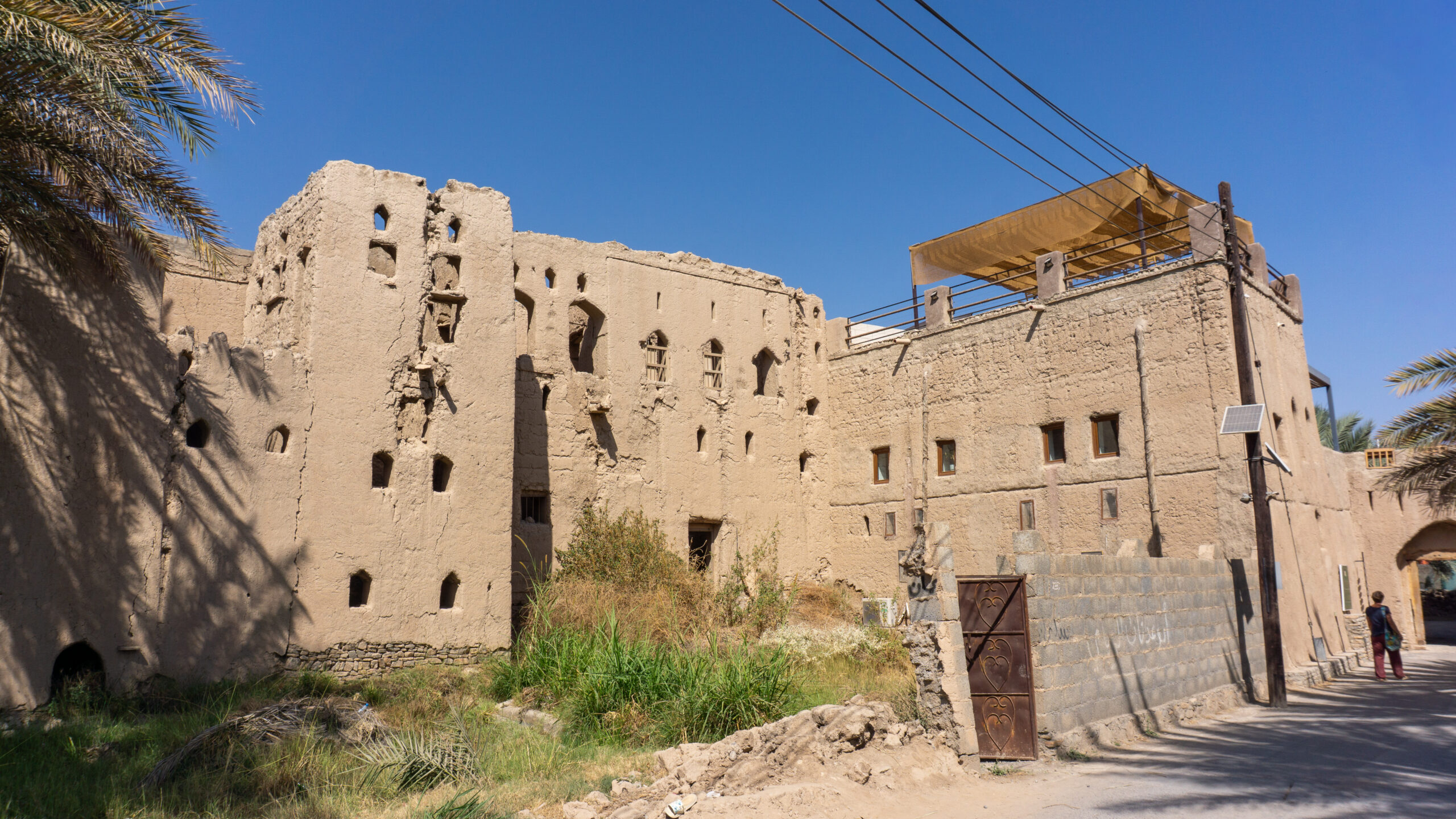
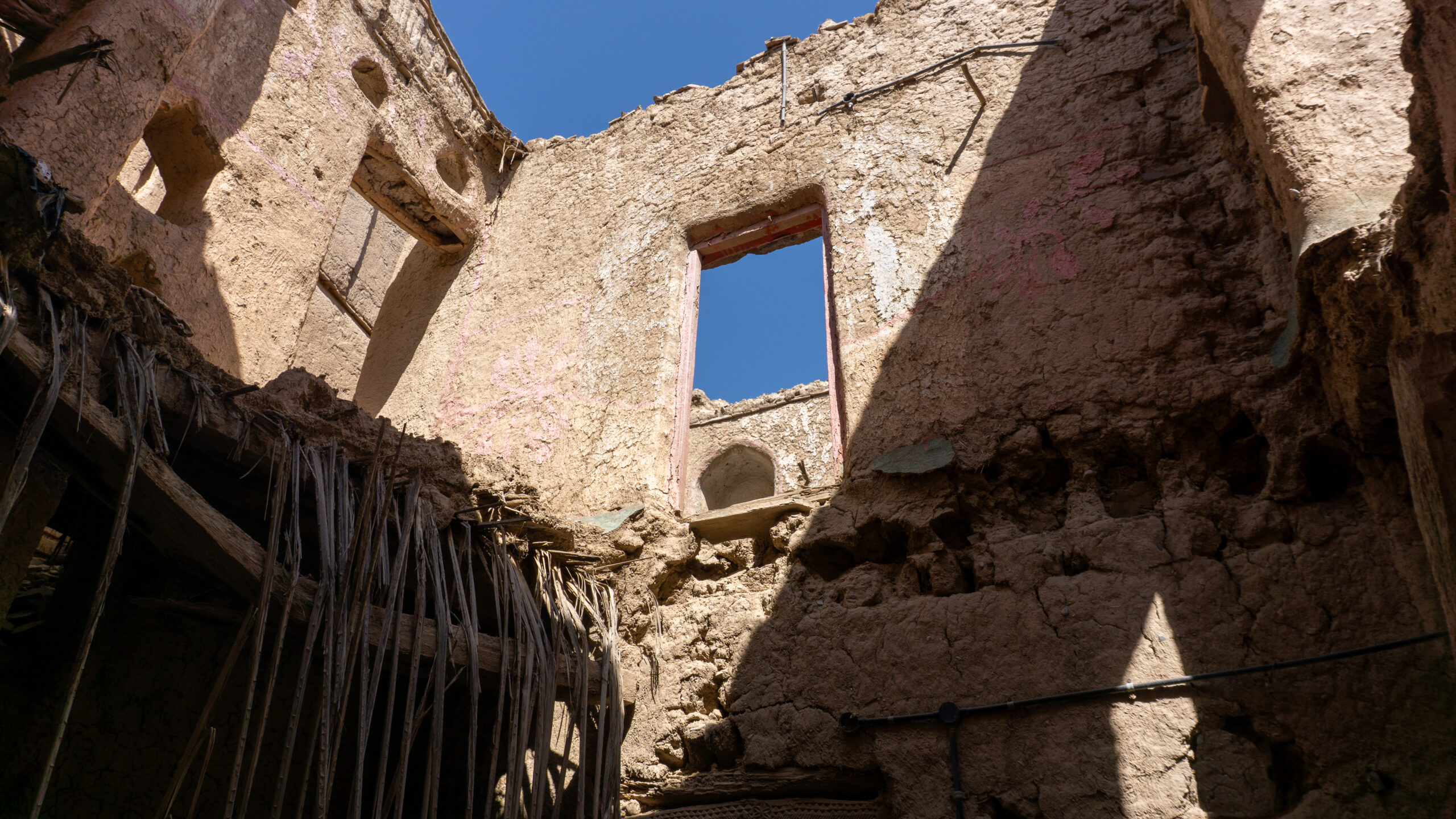
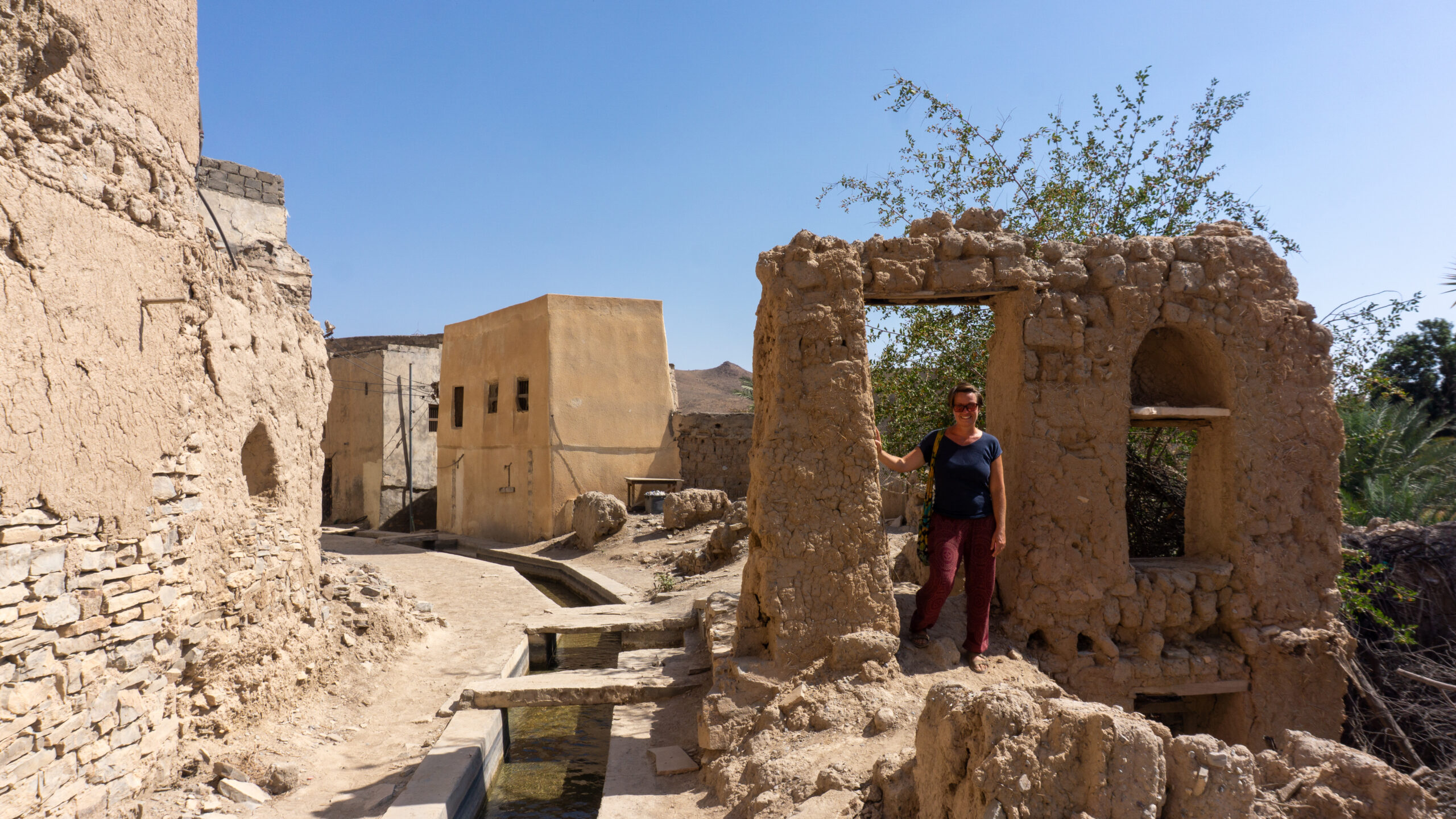
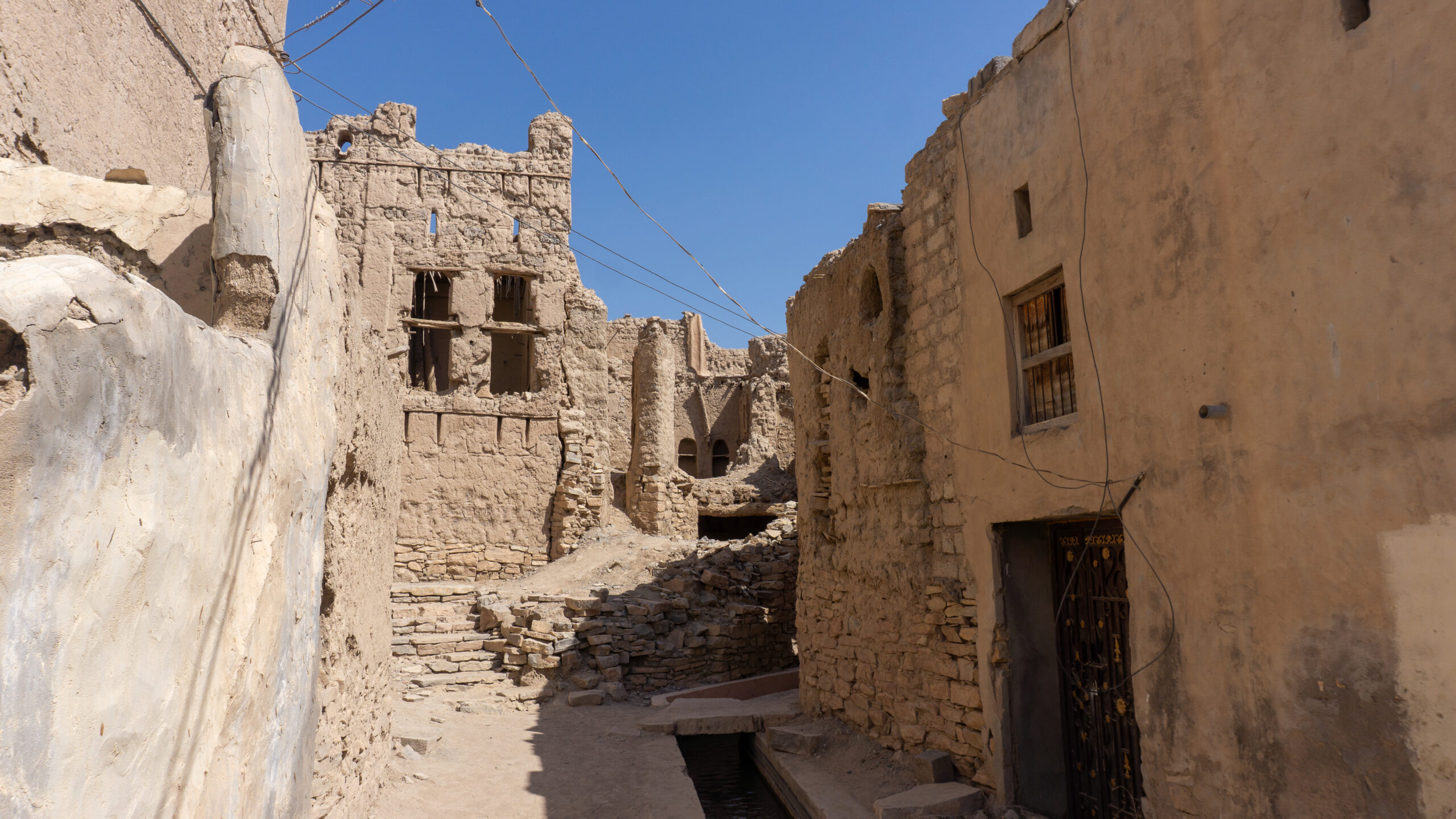
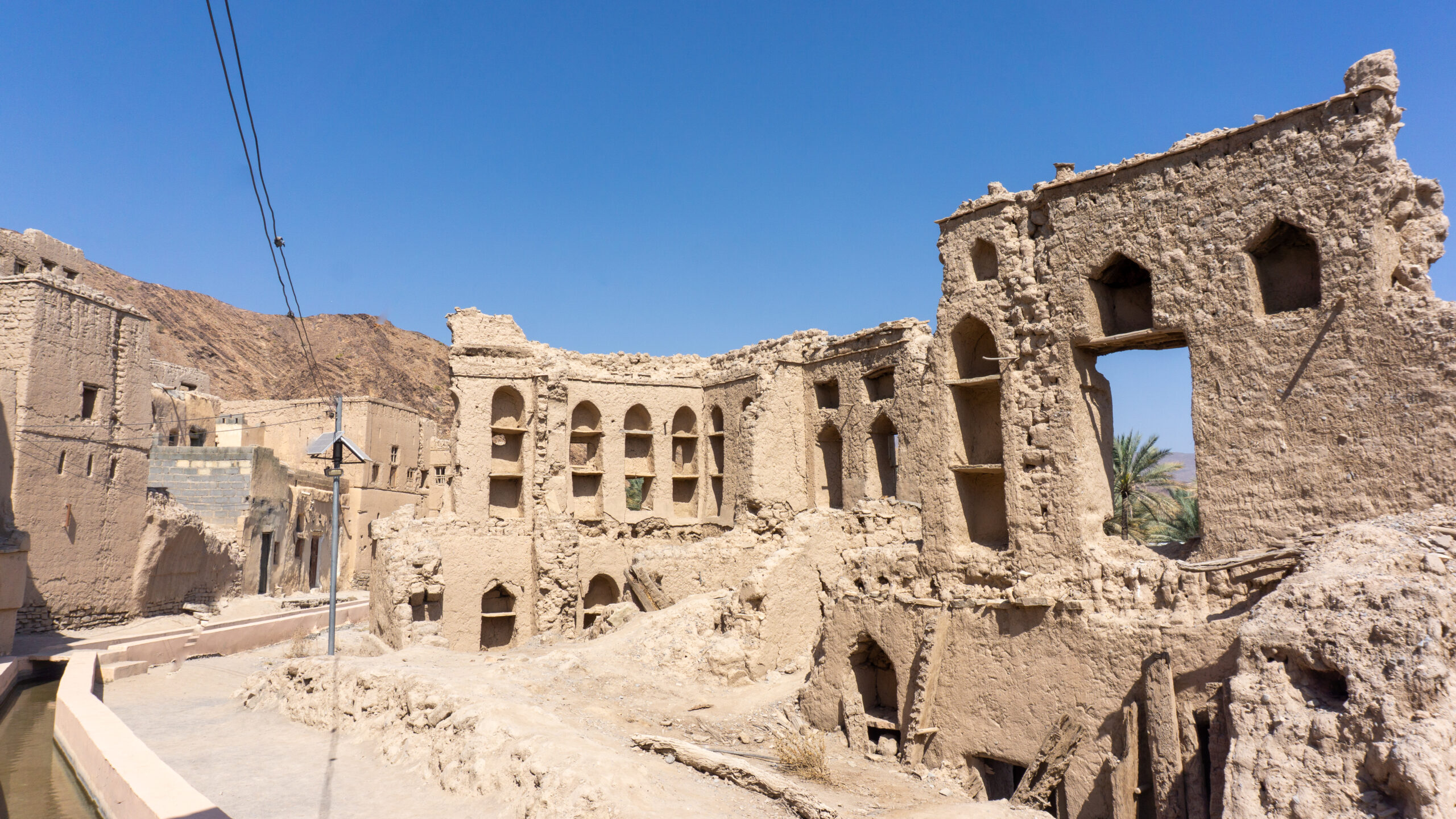
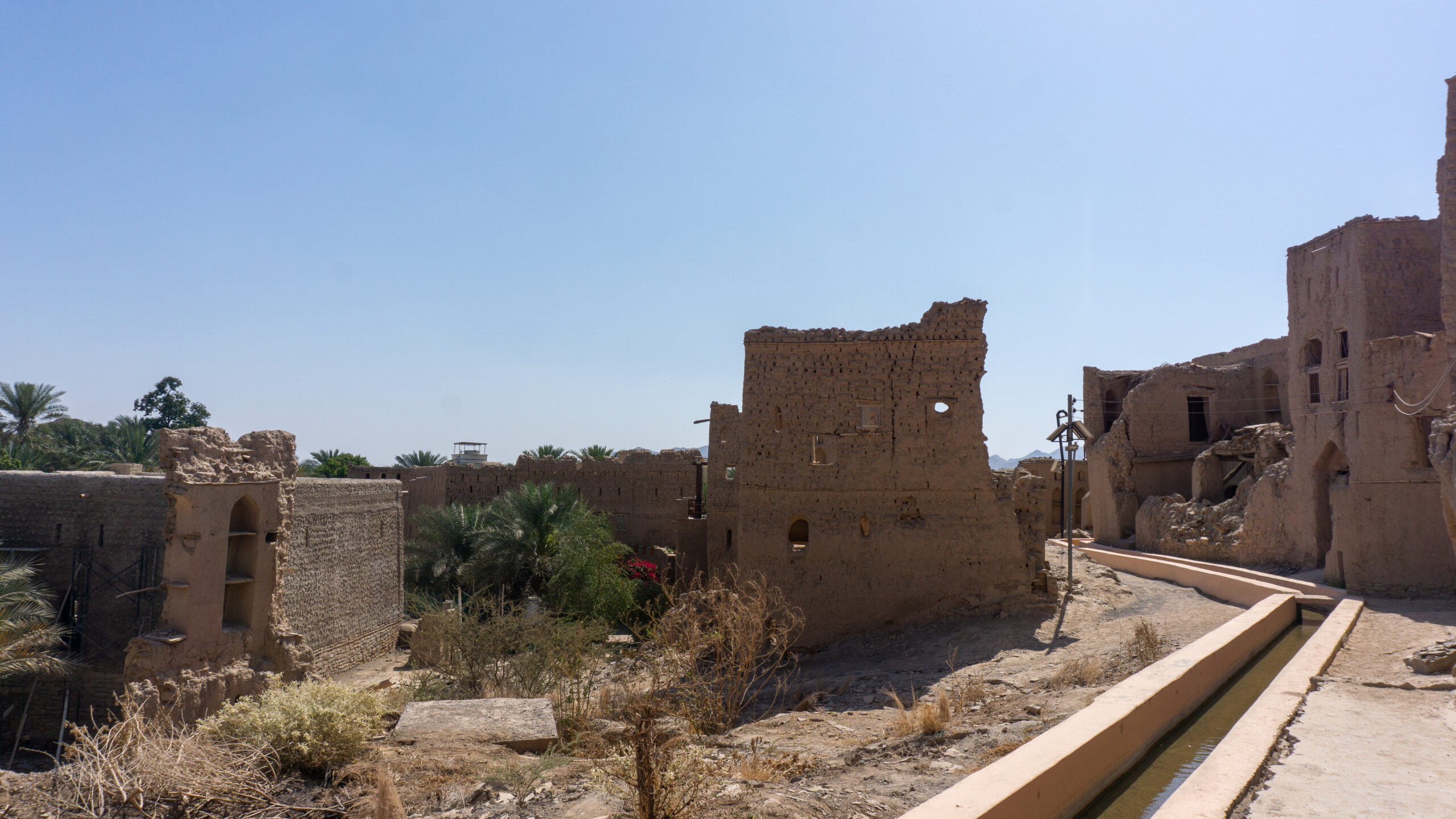
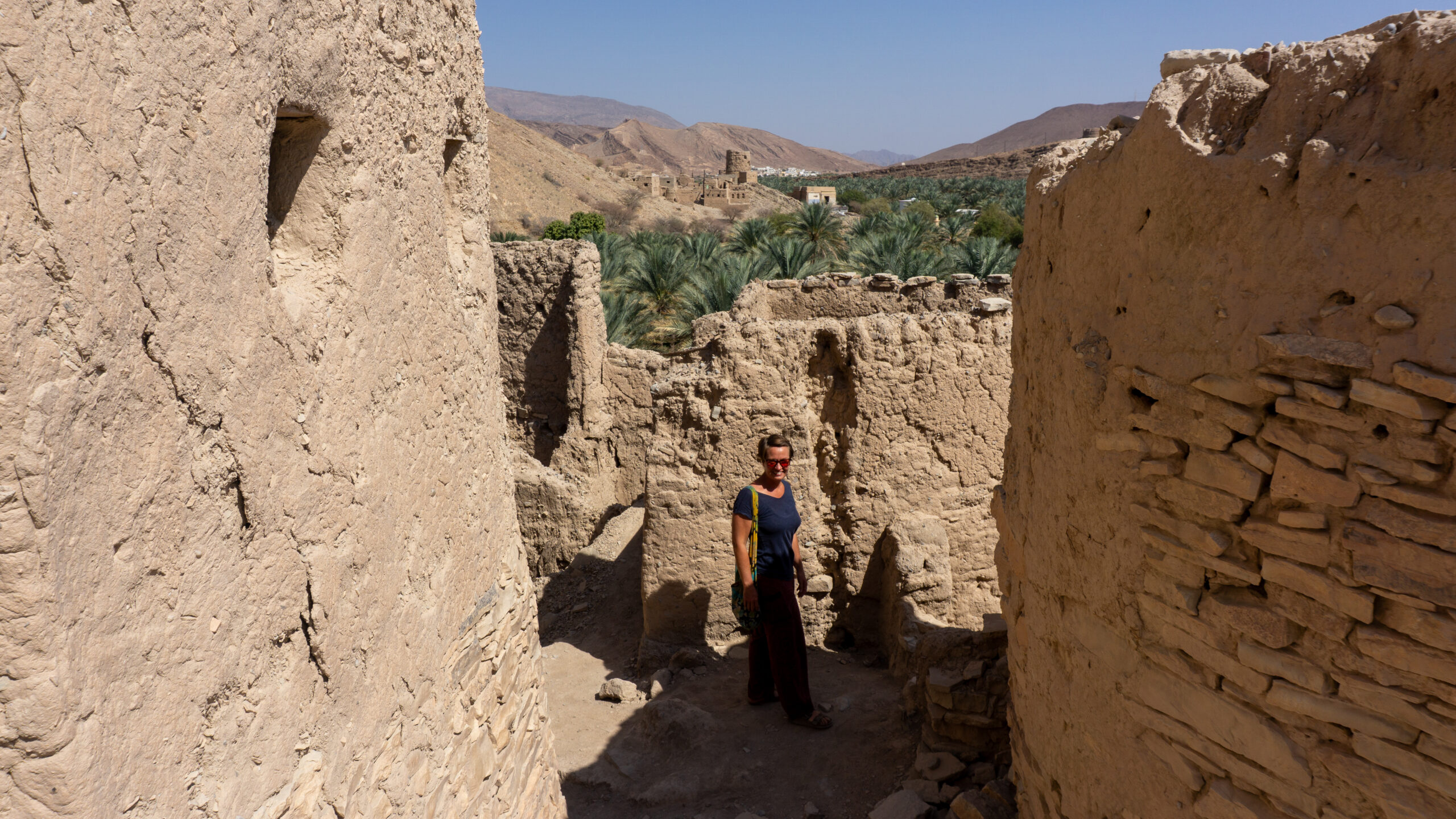
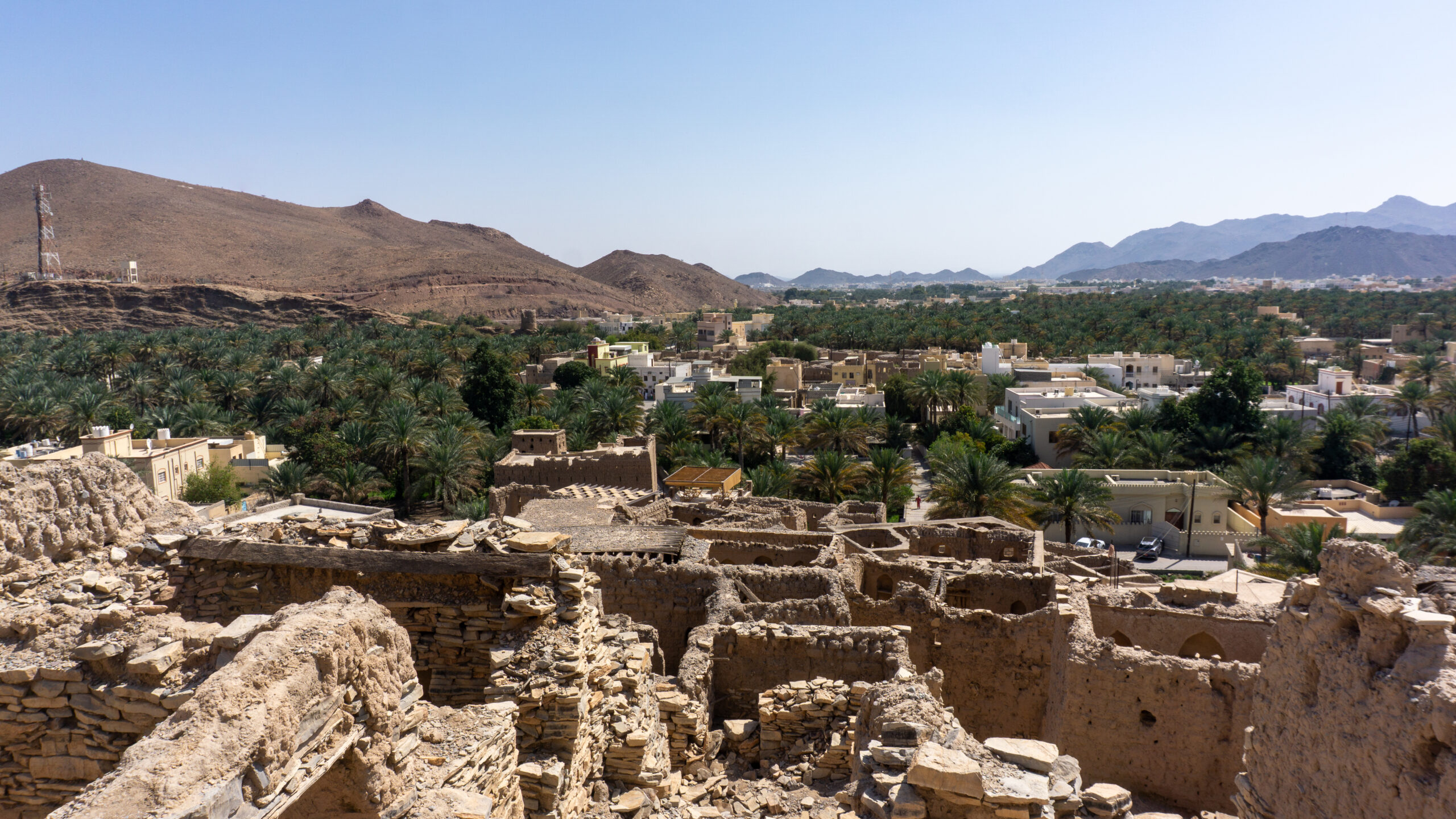
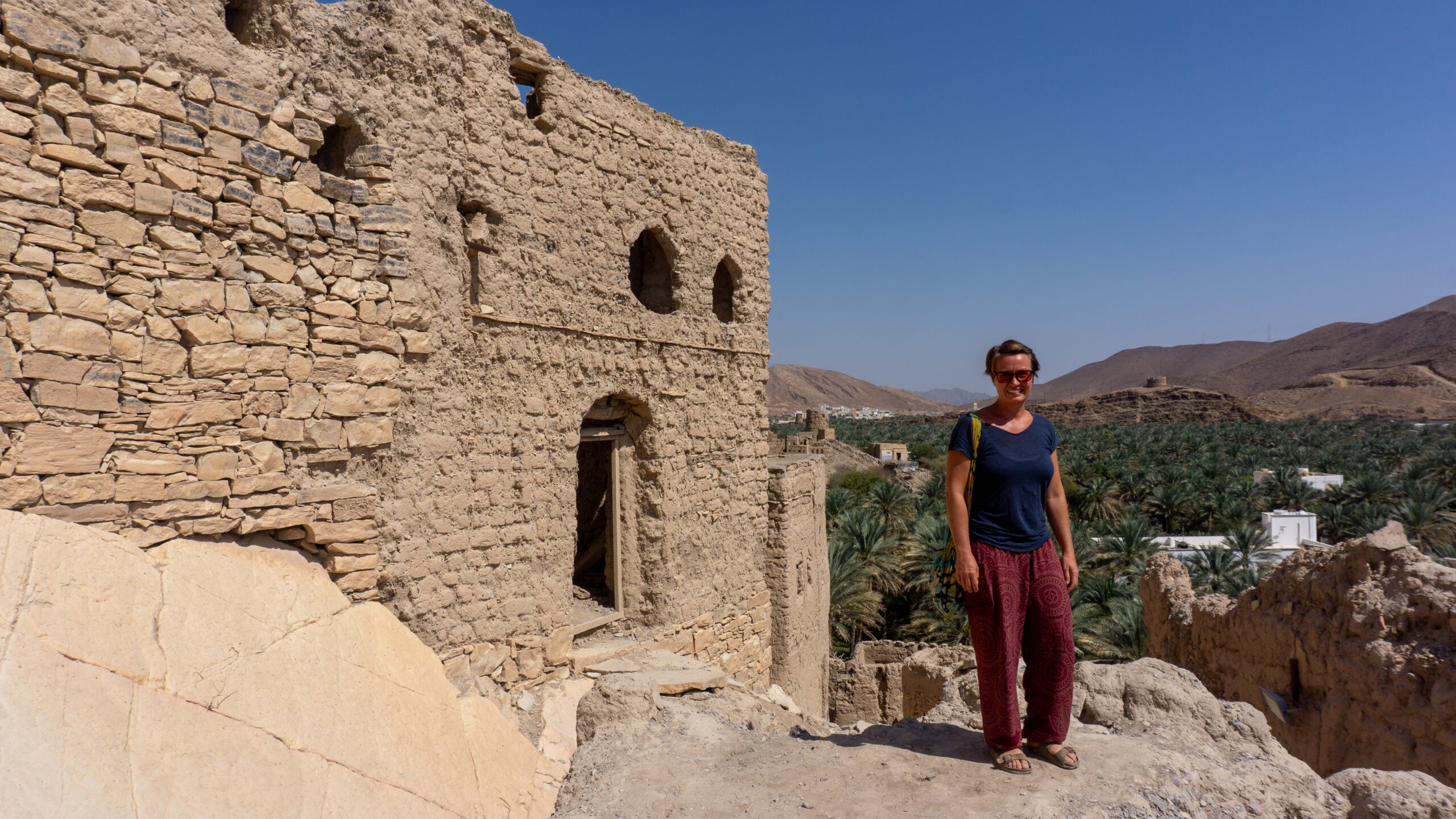
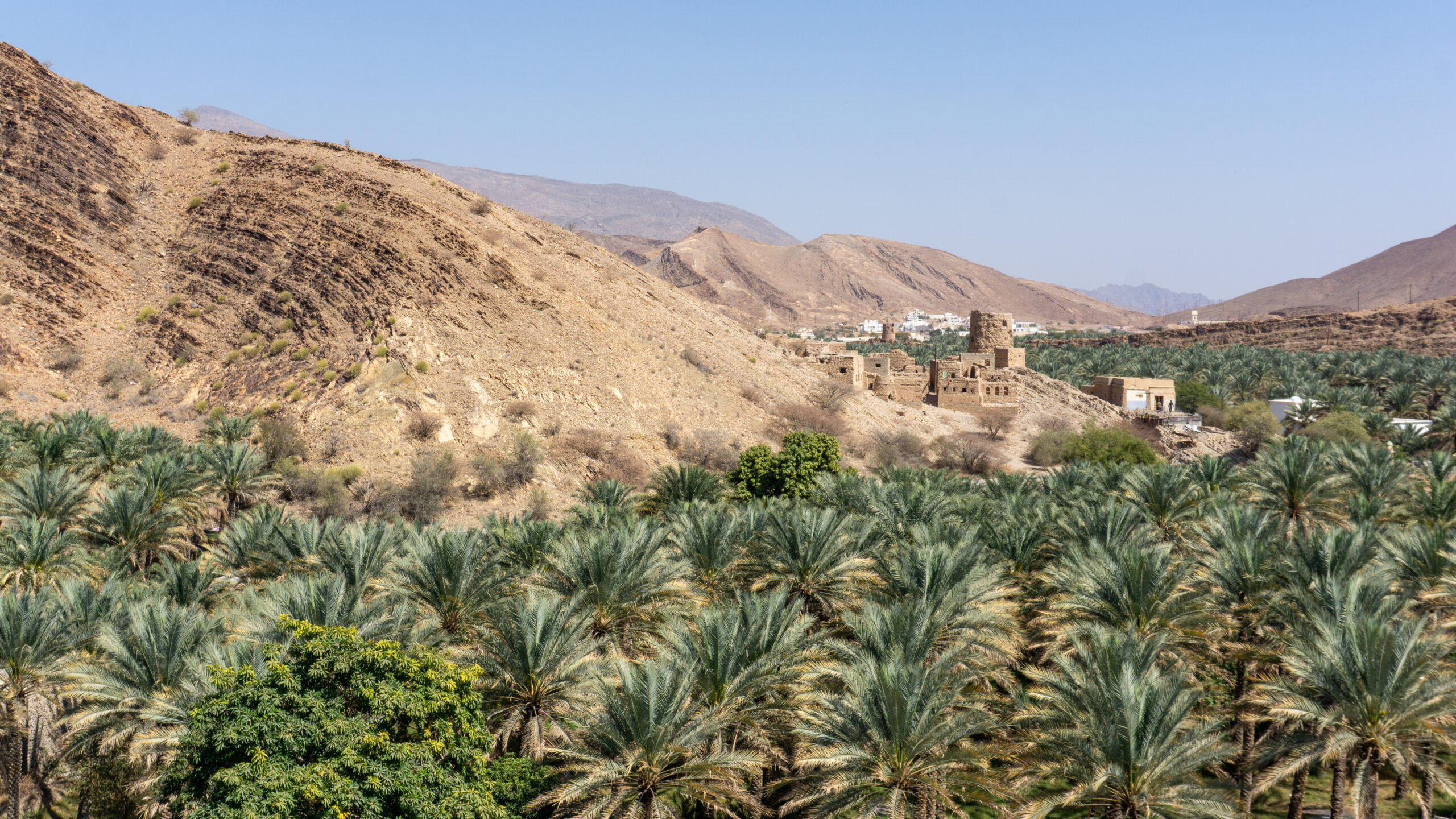
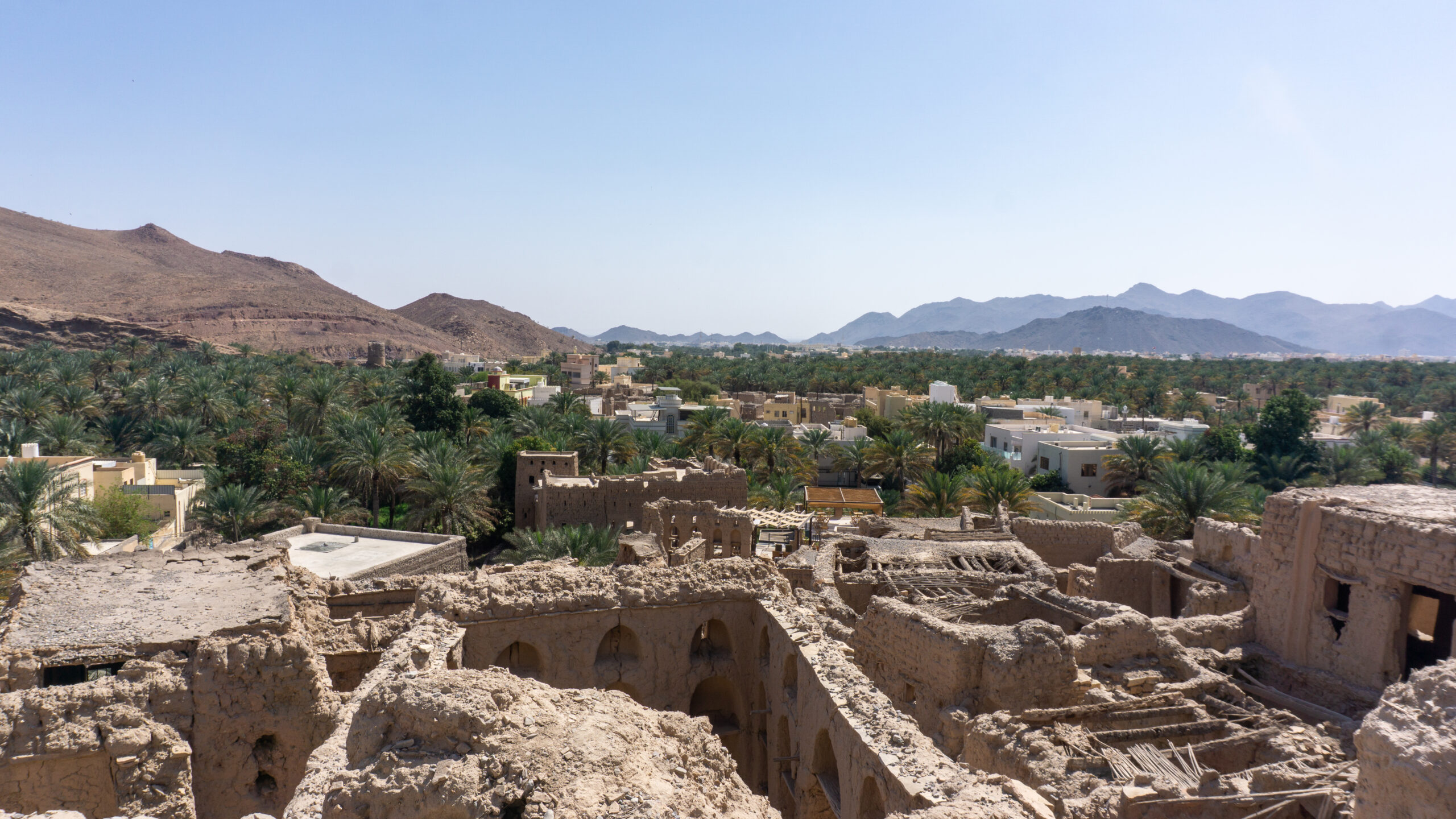
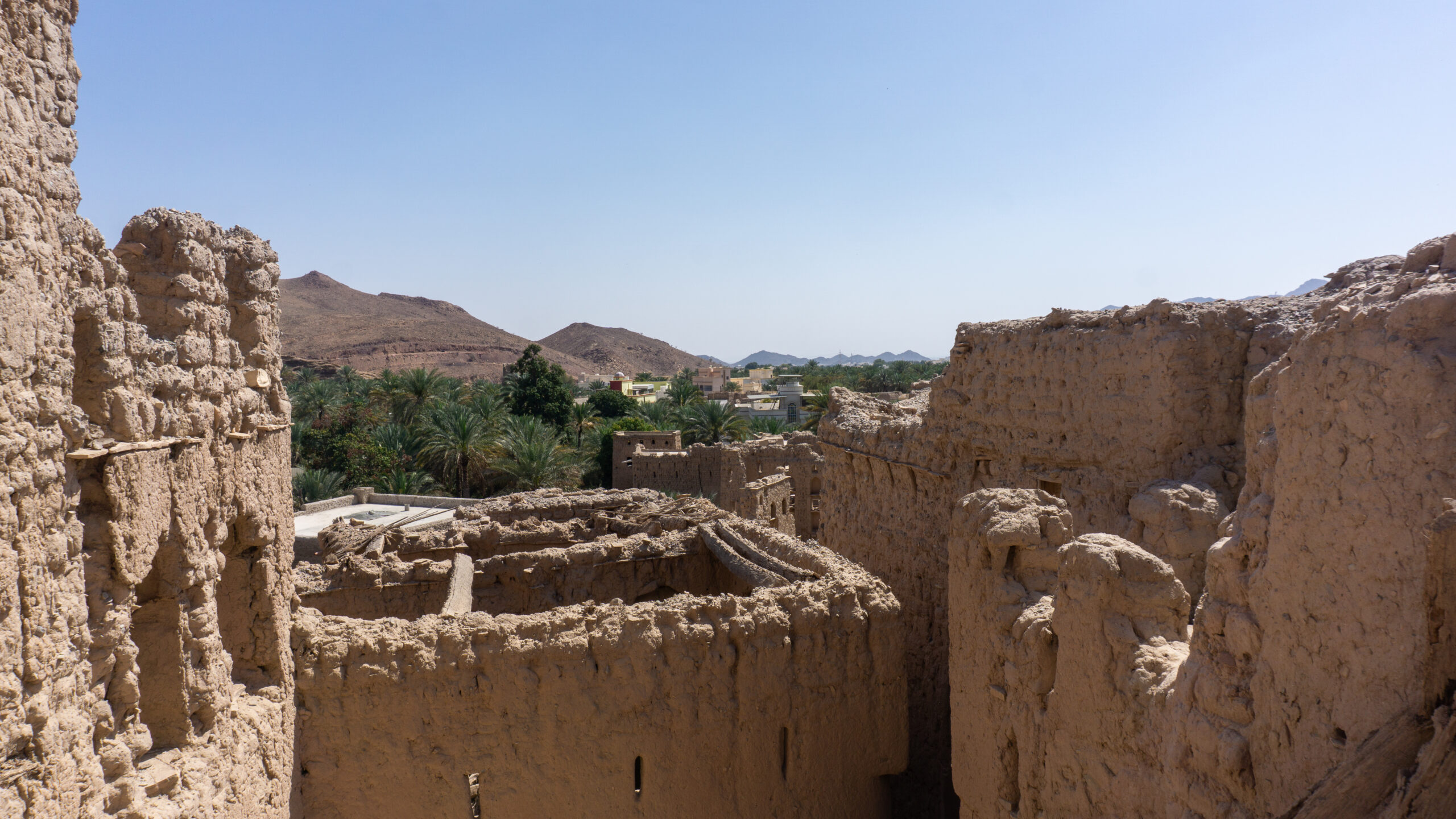
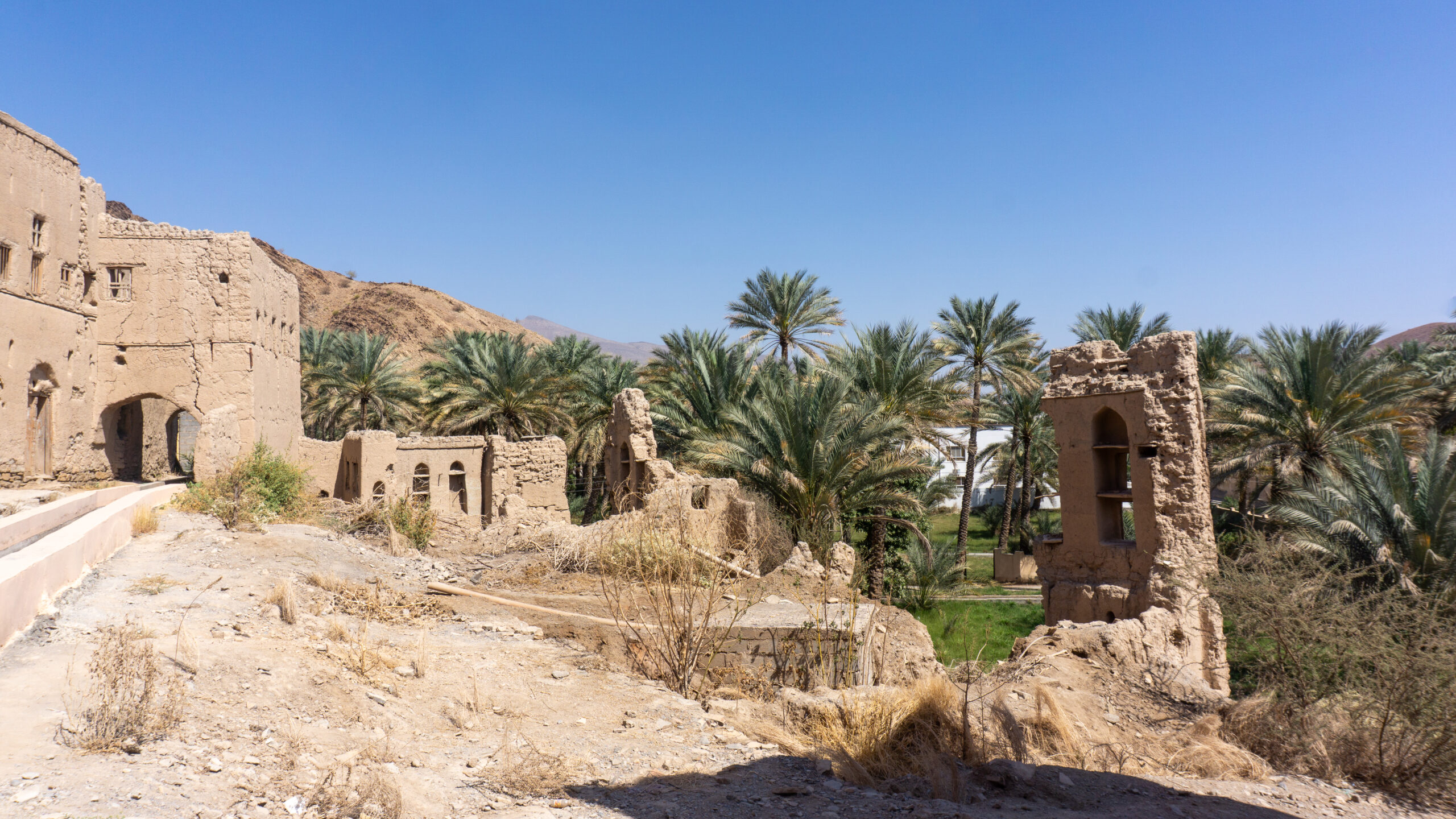
But before heading to Nizwa, we made a detour to Birkat Al Mouz. Absolutely worth checking out the mud-brick ruins. We wandered through the ruins for 1–2 hours. More just wasn’t possible, because the sun was blazing as if it knew… The old Maffay classic fits here nicely, even if with a different meaning.
Some general info on Birkat Al Mouz from Wikipedia“Birkat Al Mouz (meaning “banana pool”) is a picturesque historic village at the foot of Jebel Akhdar in Oman. It’s known for its abandoned mud-brick ruins (Harat Al Siybani), extensive banana and date palm groves and the Falaj irrigation system, which is a UNESCO World Heritage Site. Visitors can explore the old ruins, visit Bait ar Ridaydah Fort and stroll through the green oases
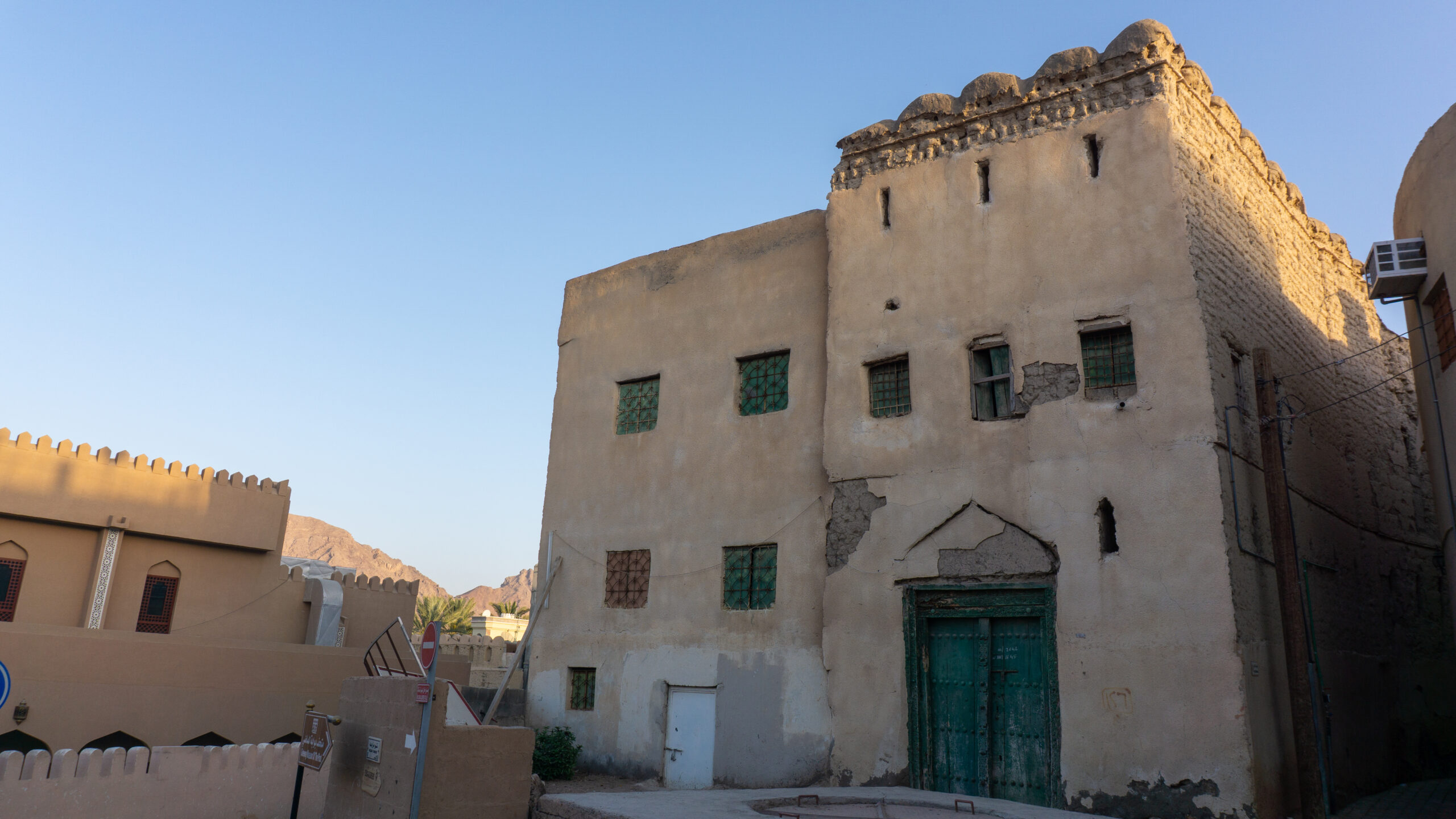
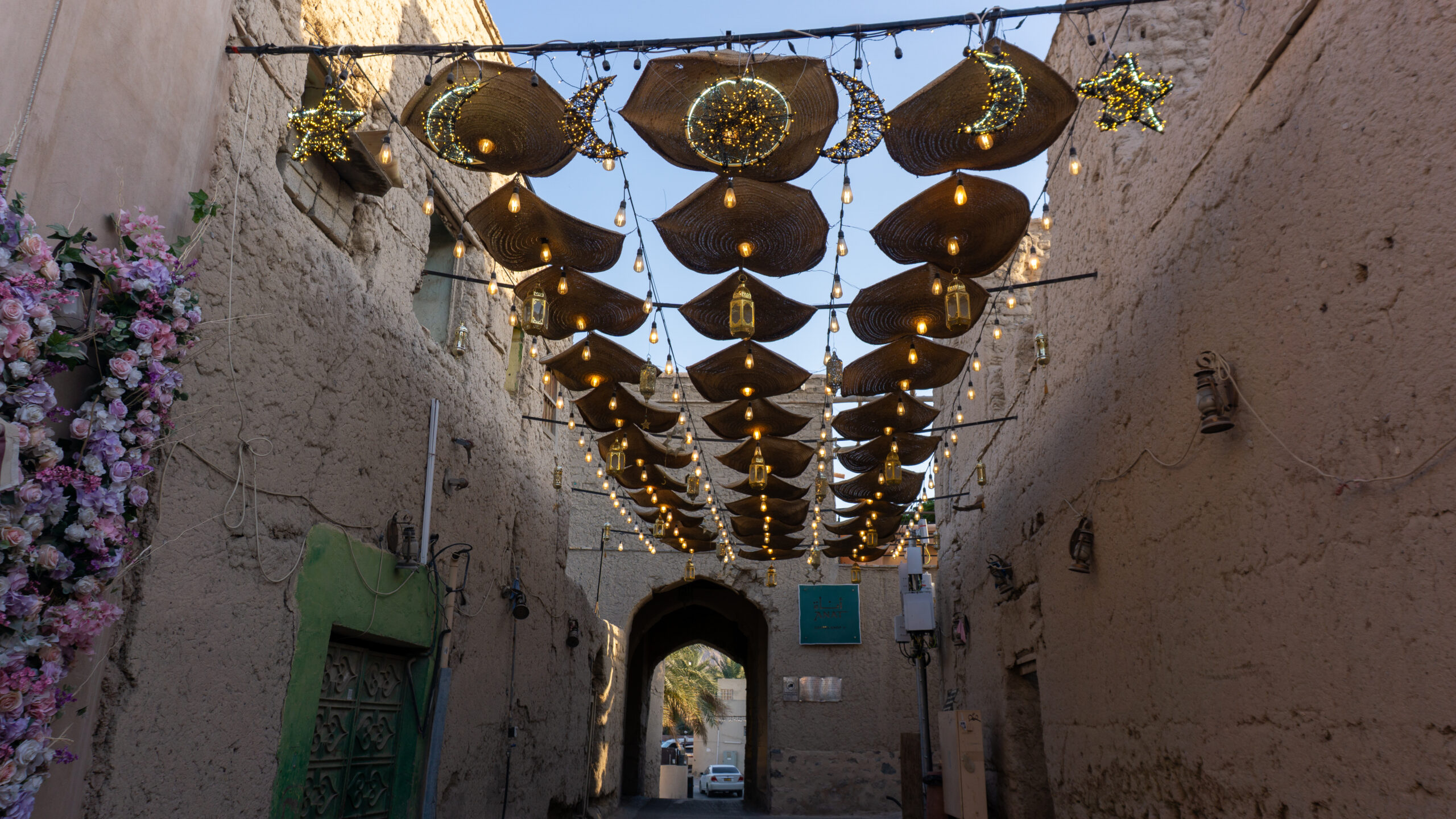
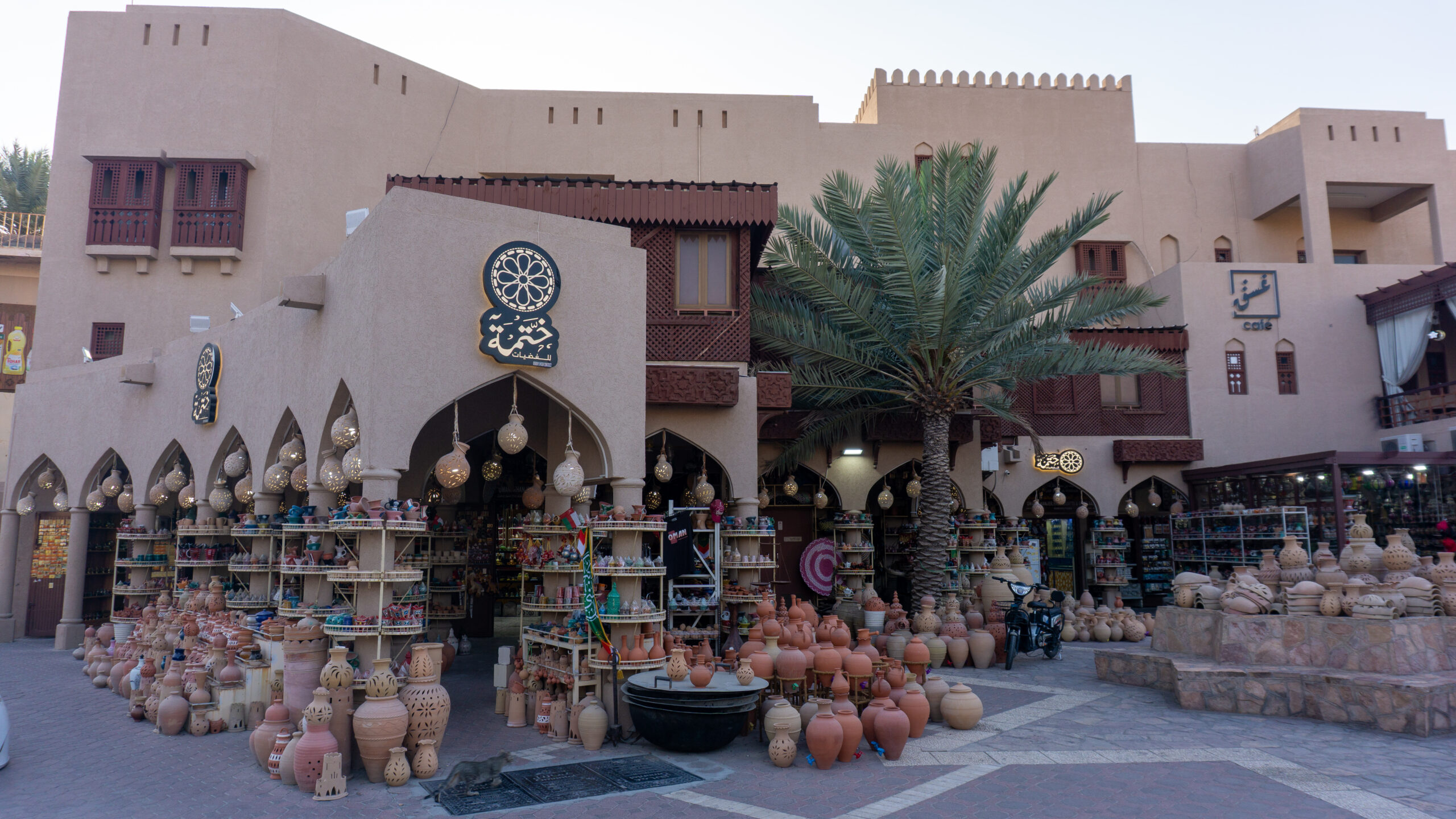
On we went to Nizwa. We had booked a place a little outside Nizwa. Via Airbnb we got a popular room with an Omani family for one night. Perfectly equipped, with metres-long couches to relax on. In the afternoon we headed into Nizwa. In Nizwa the old mud houses have been brought back to life. Elaborate renovations make Nizwa a chic place that’s well worth a visit. Lots of small guesthouses and shops have set up here. For dinner we went for a delicious Indian meal once again (with a touch of Italy).
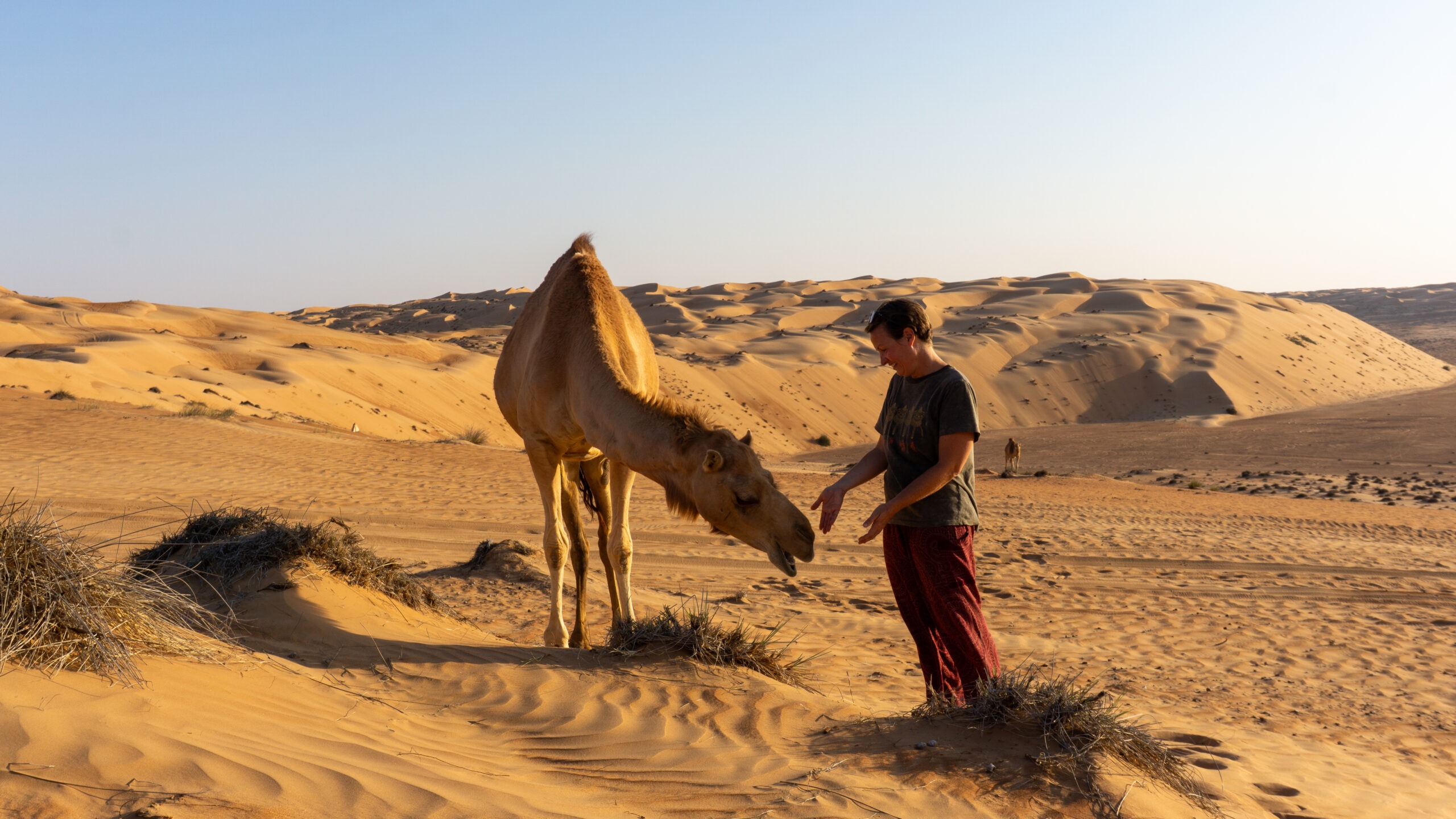
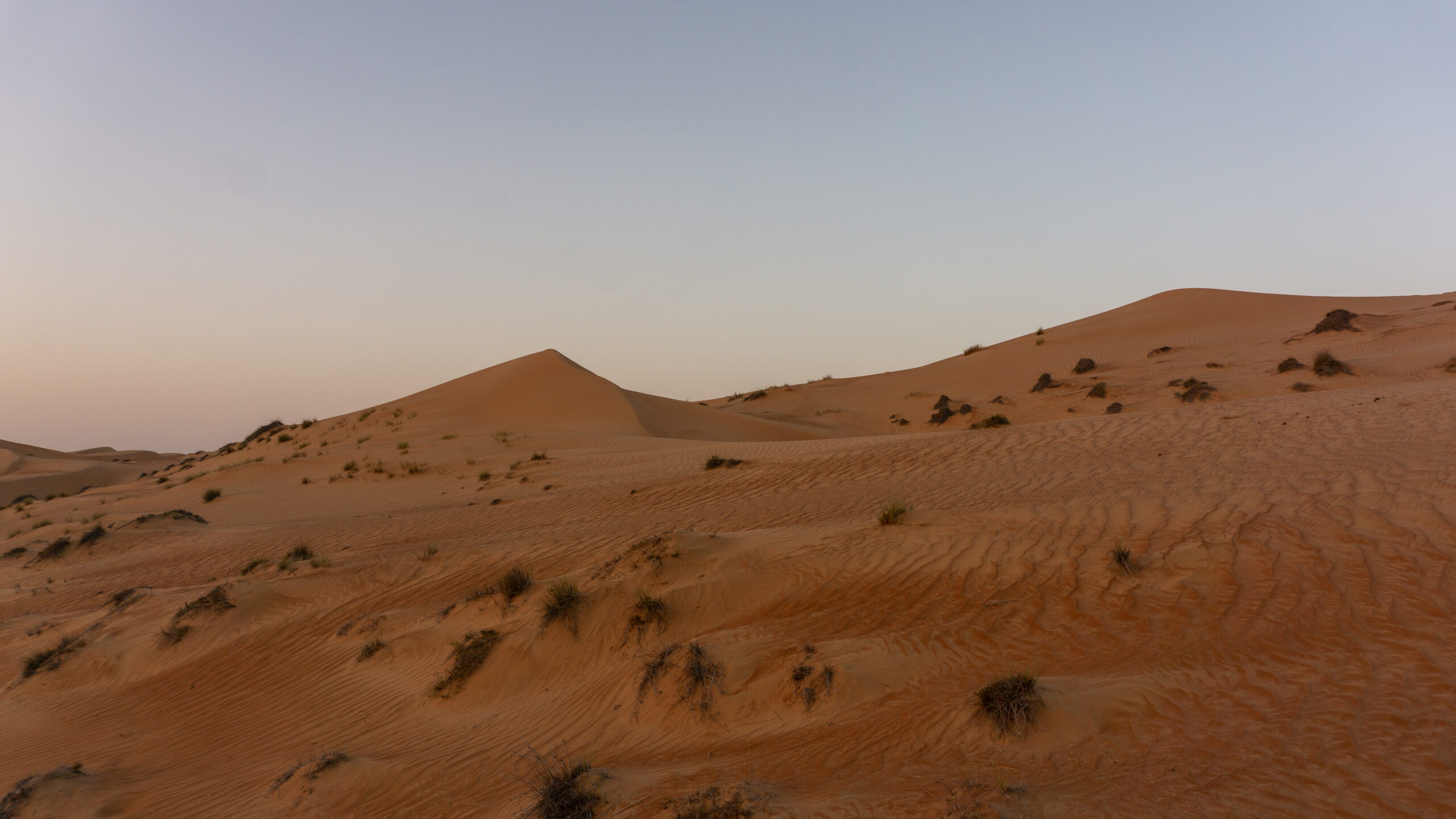
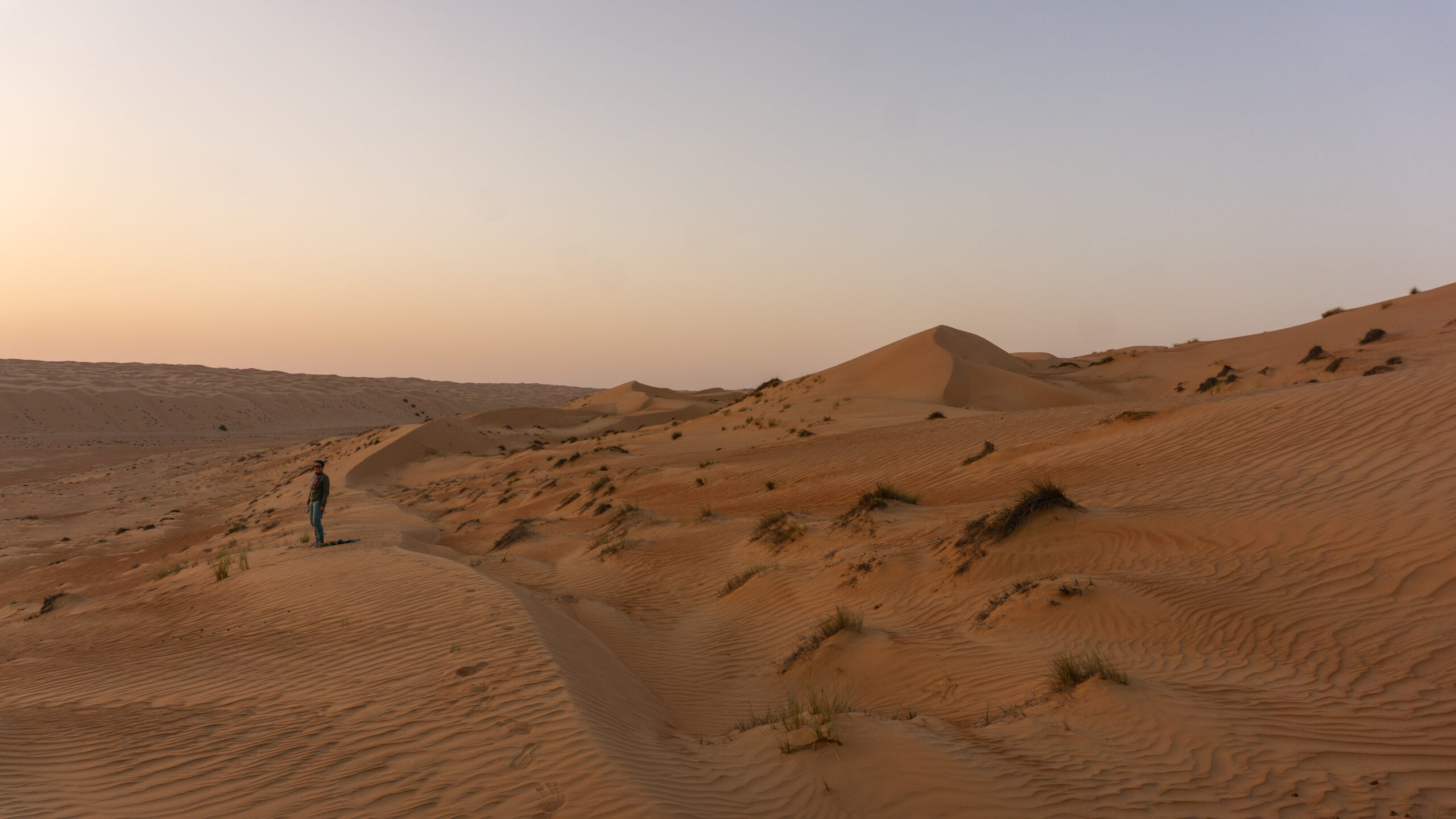
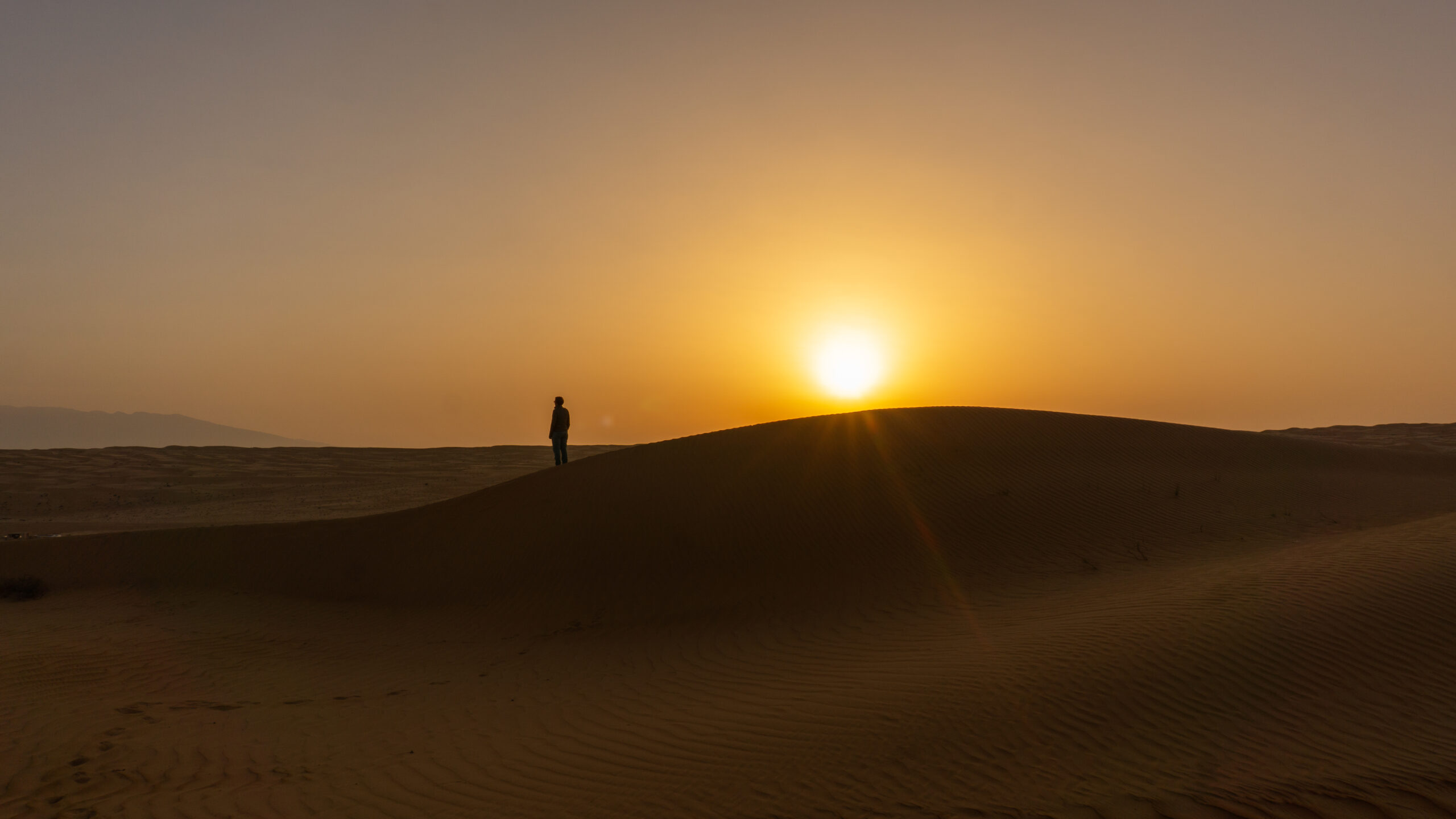
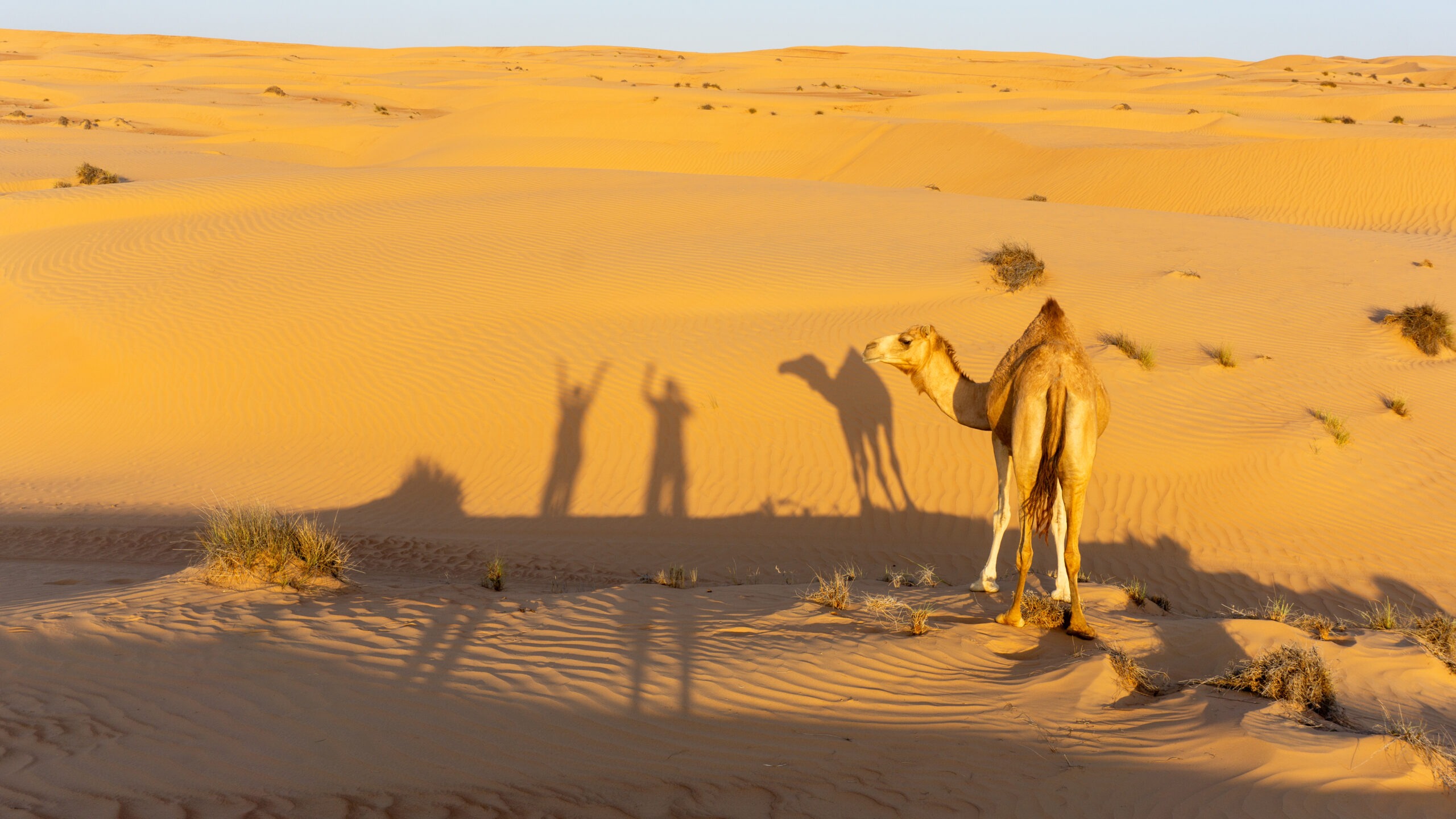
At sunset we ended up in the sand dunes. Our trusted cook “Emanuelle” had described the way to a lovely spot. We were early, because we wanted to enjoy the special desert atmosphere. As we were sitting there, a few camels came to visit us. The ships of the desert are often kept free-roaming. We had great moments with the shy but curious animals. A great experience.
The next day…
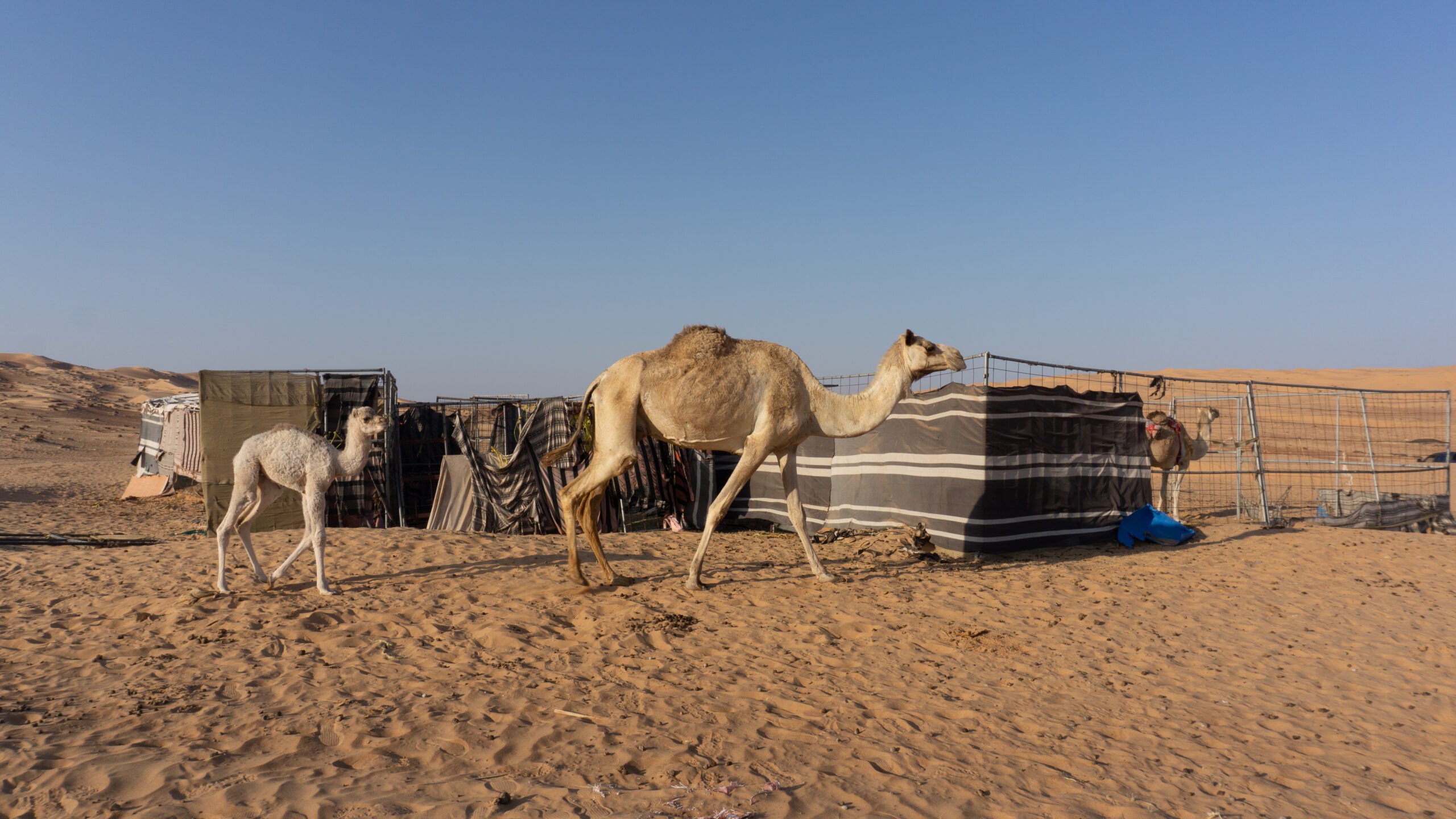
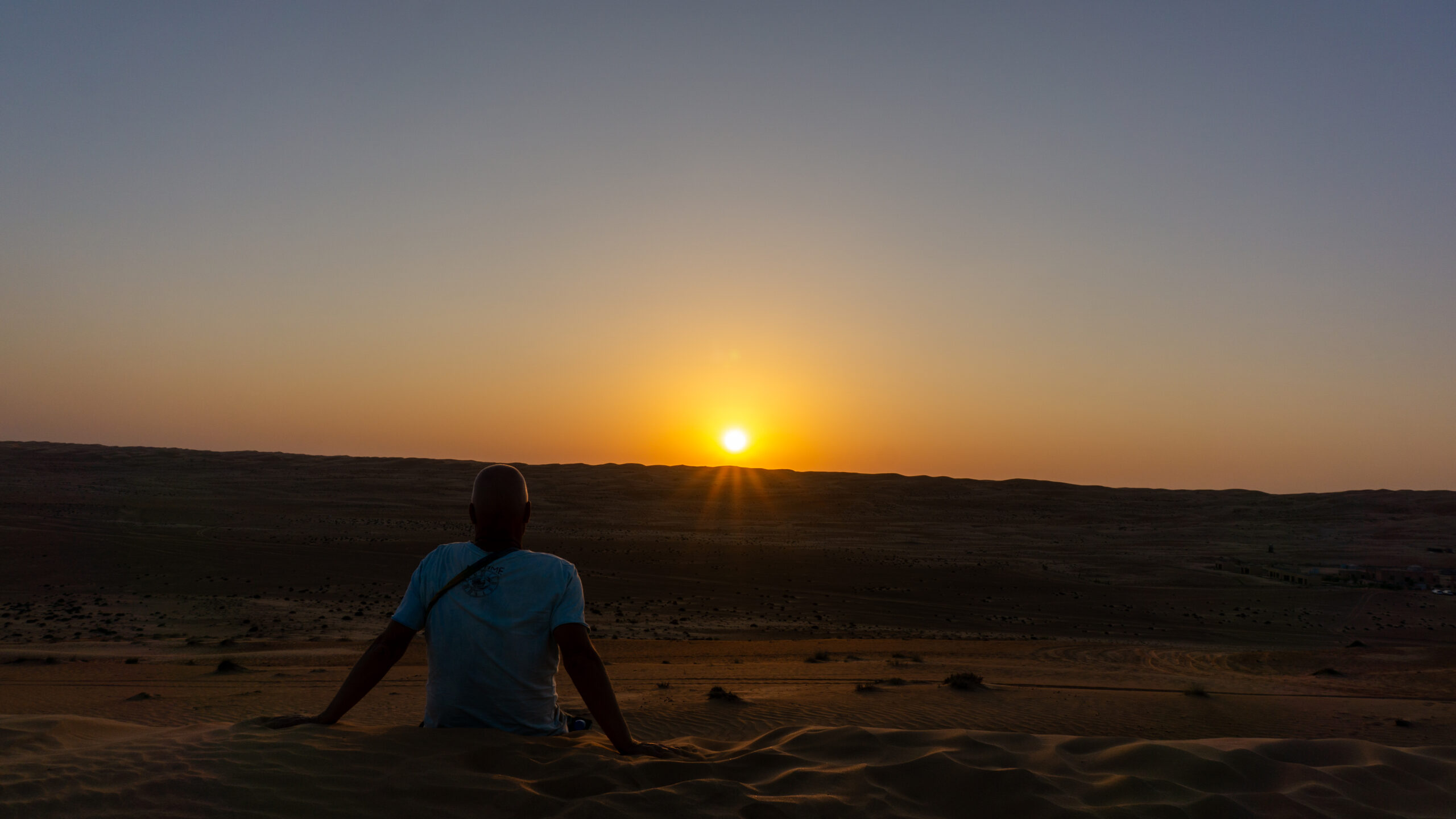
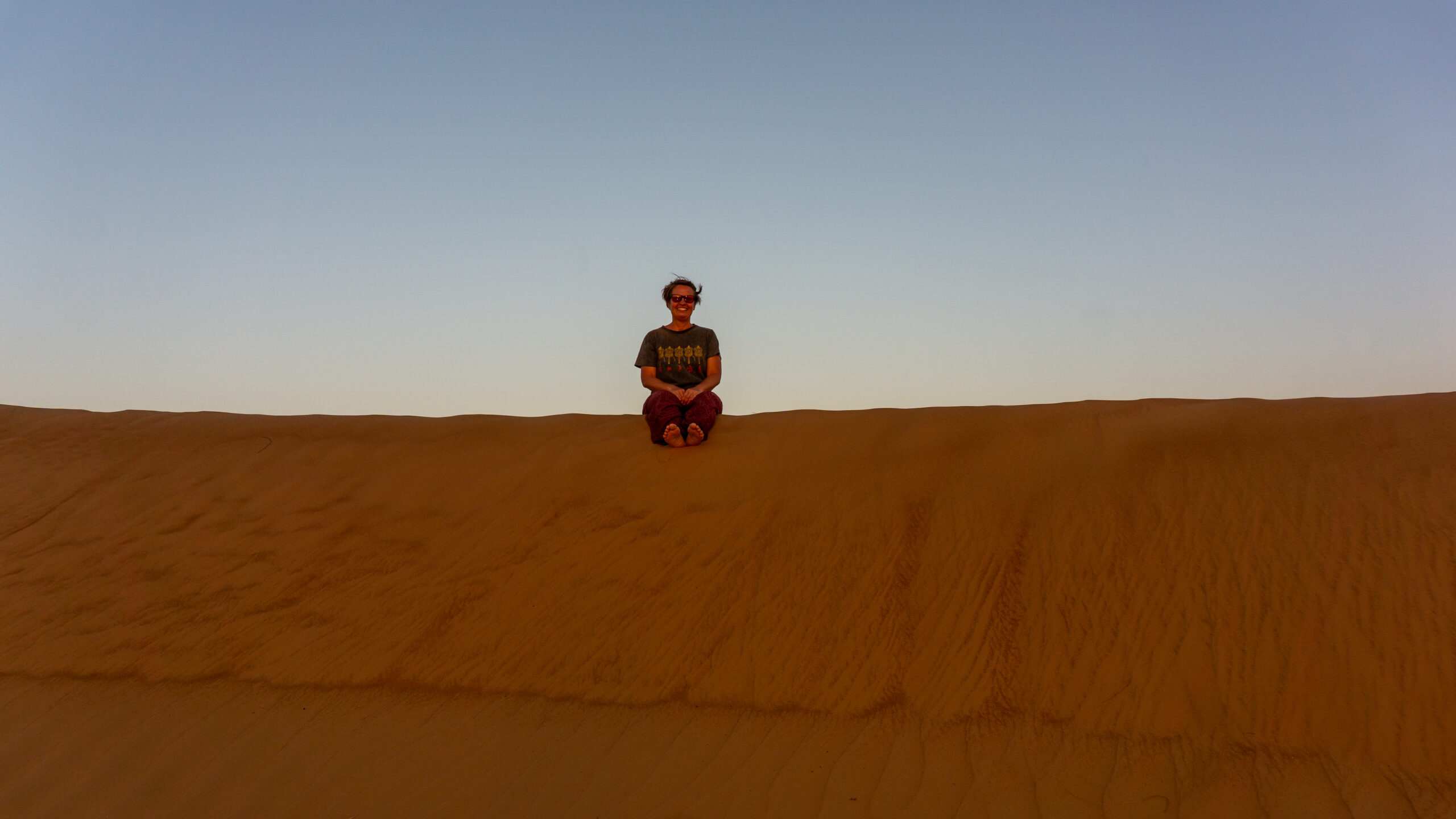
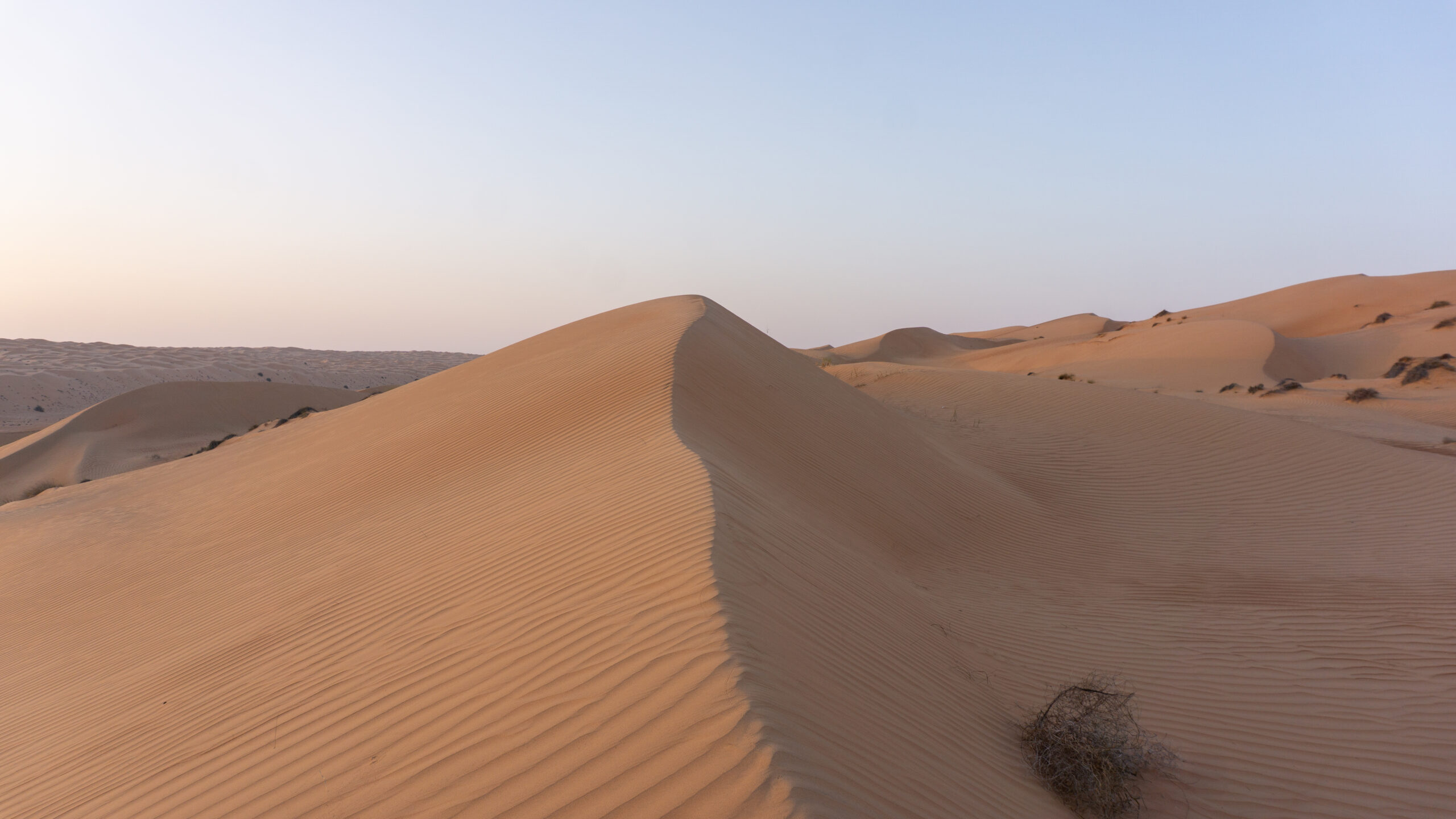
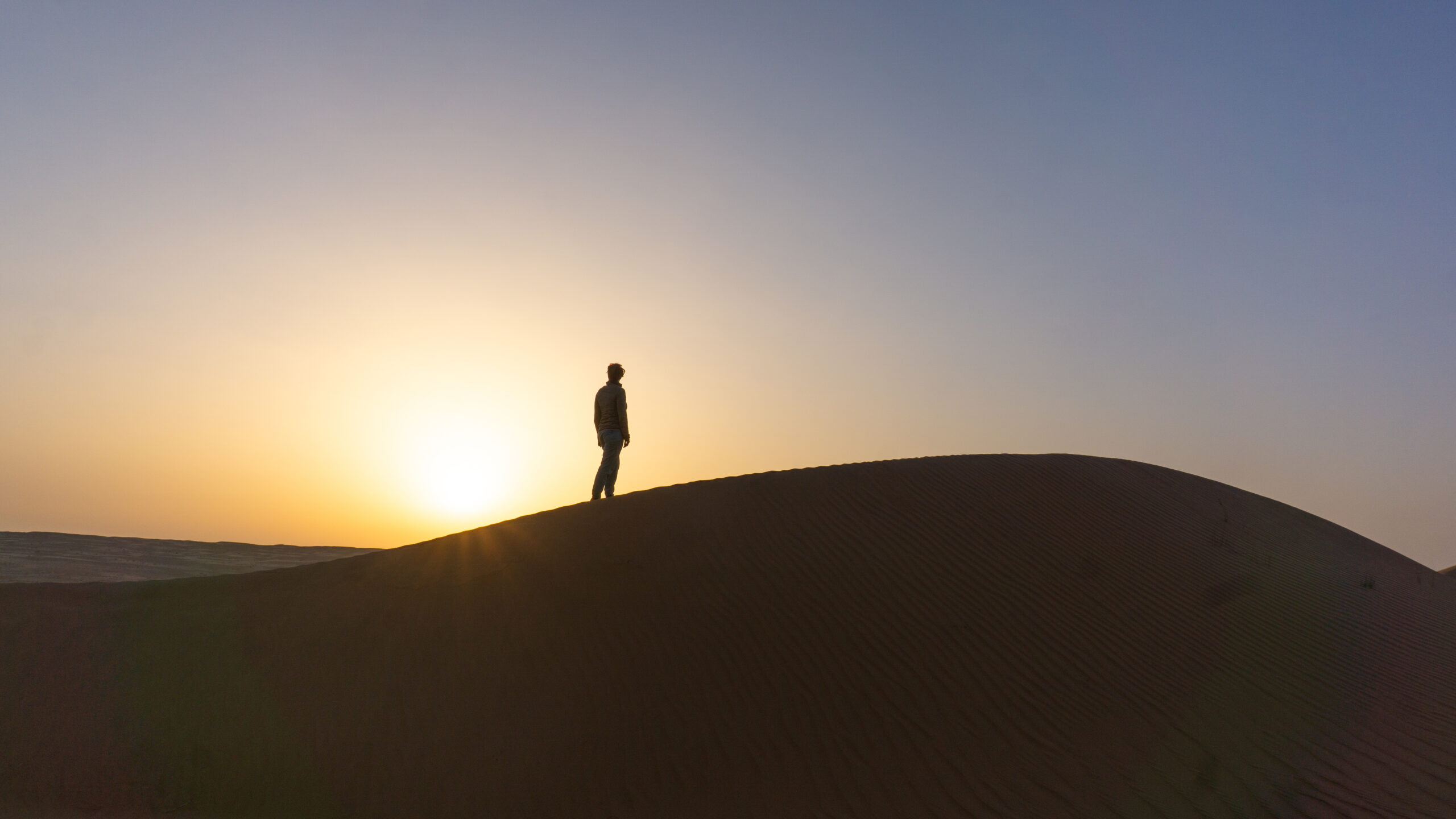
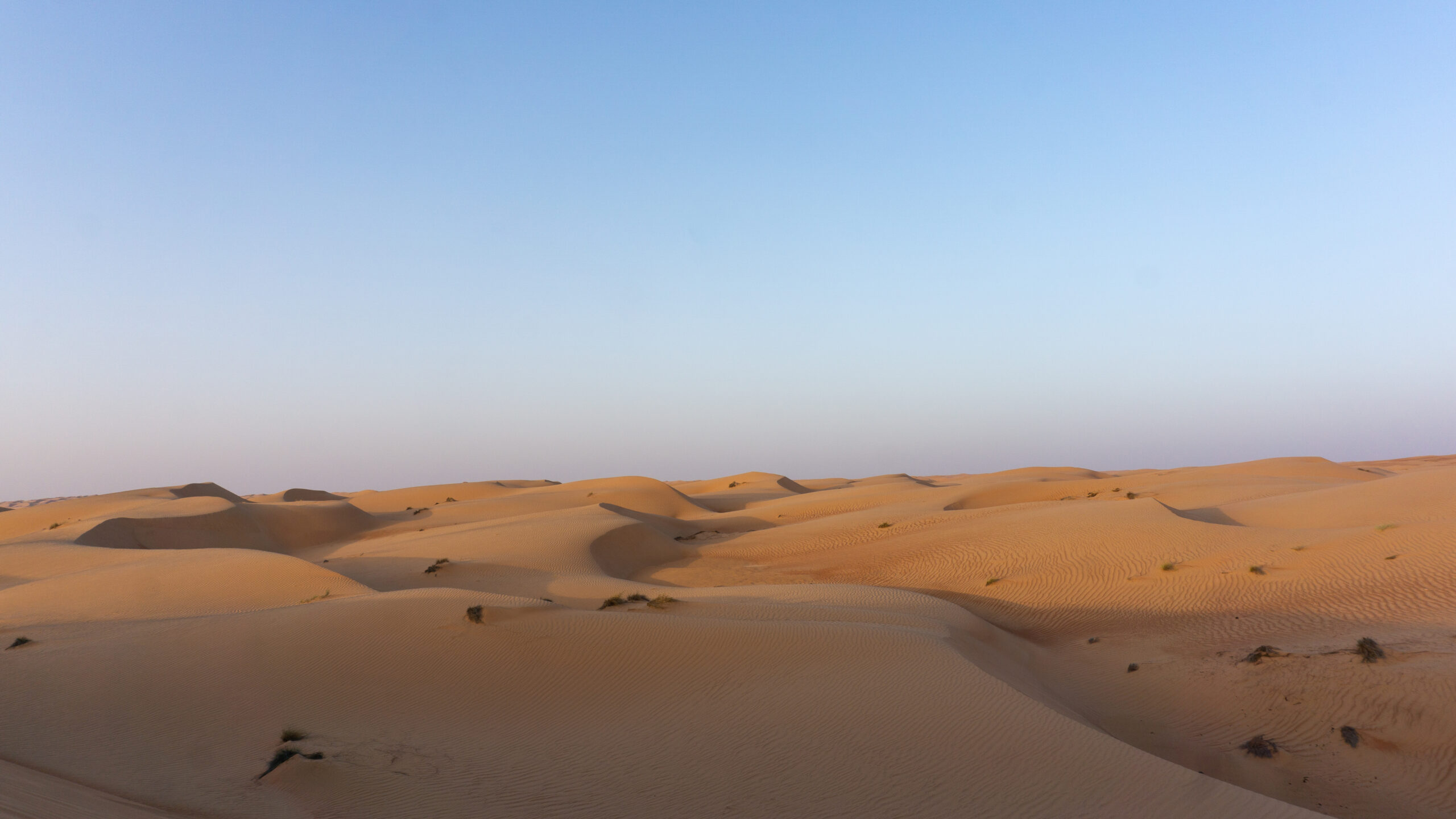
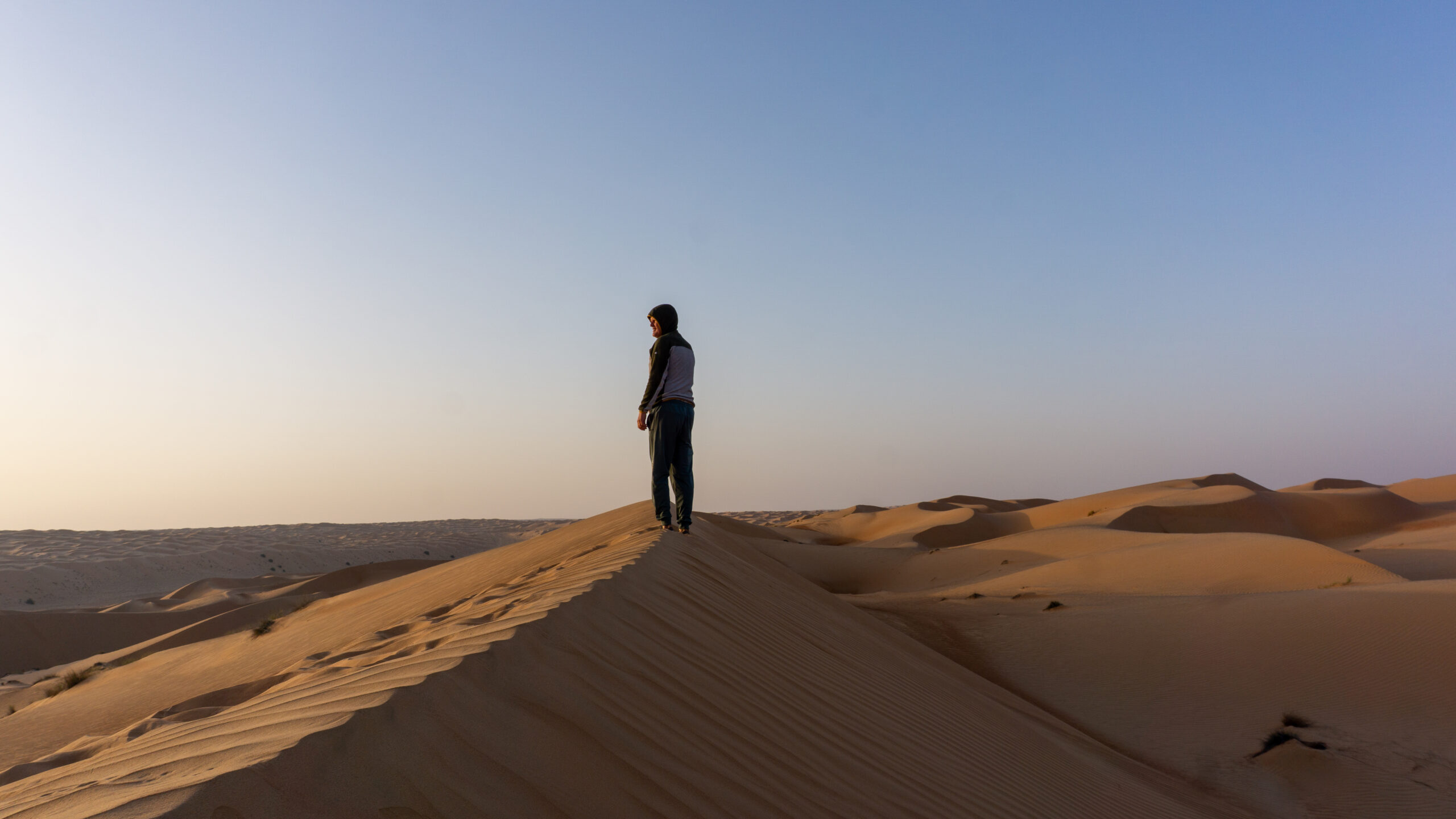
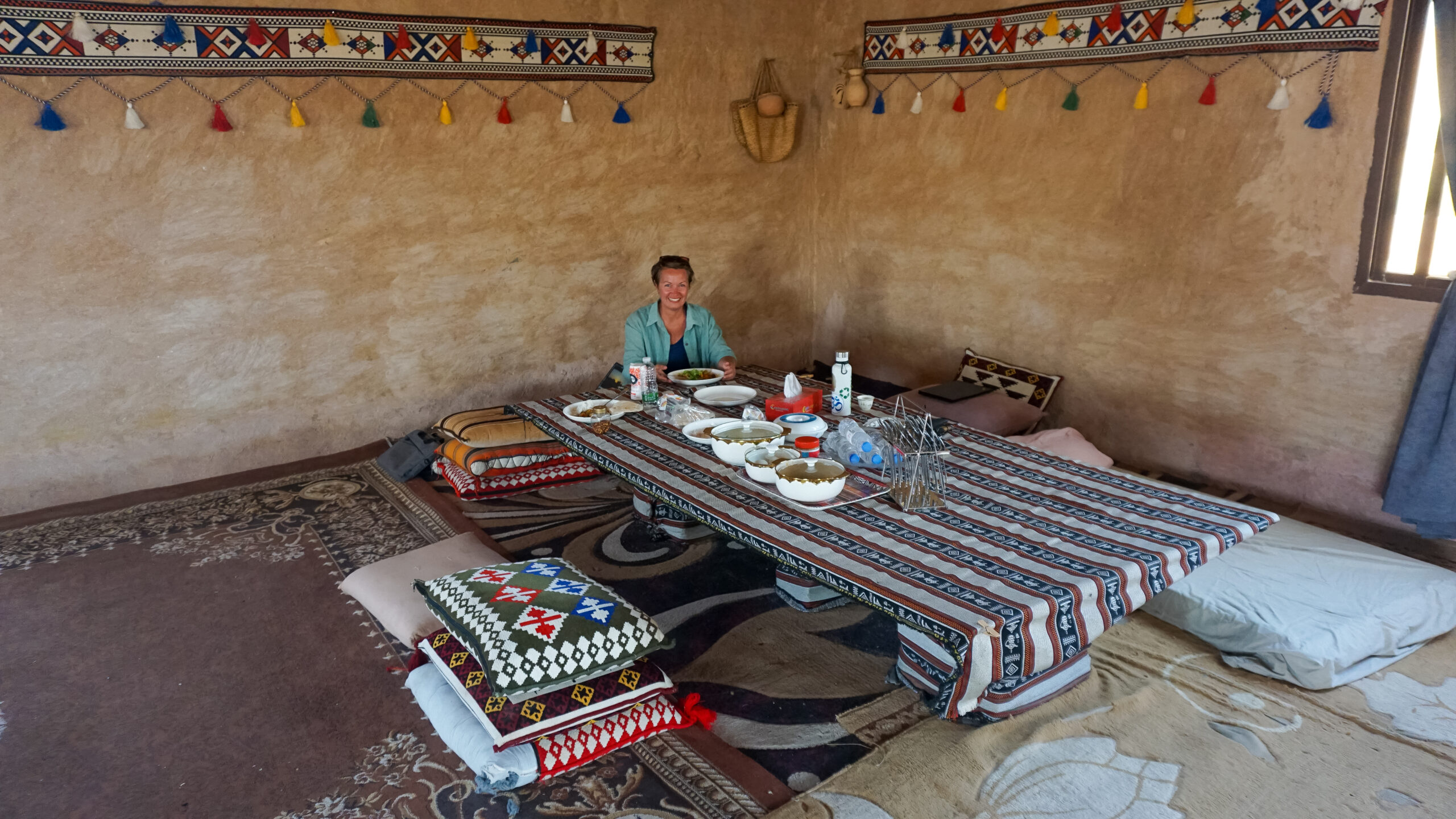
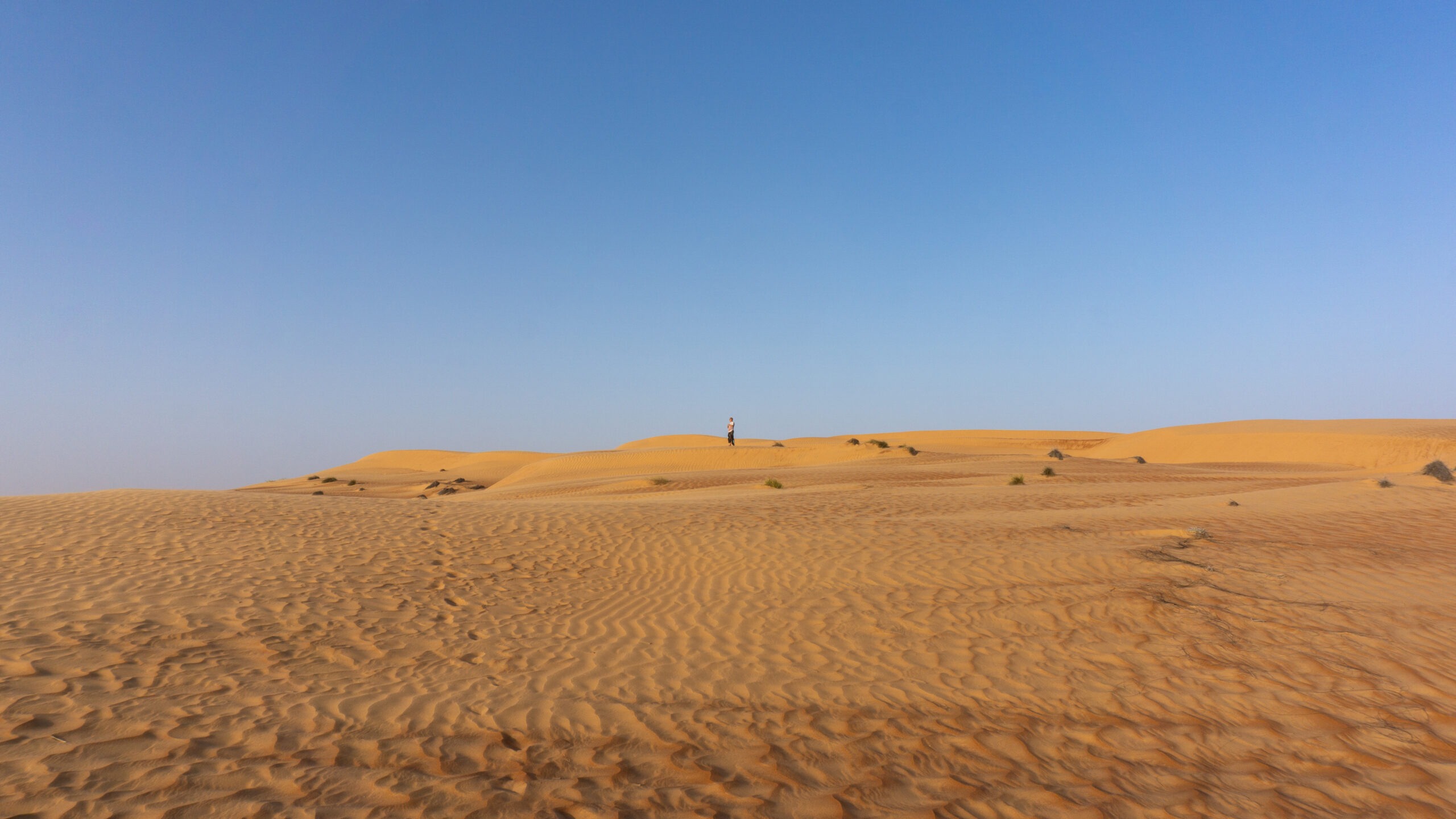
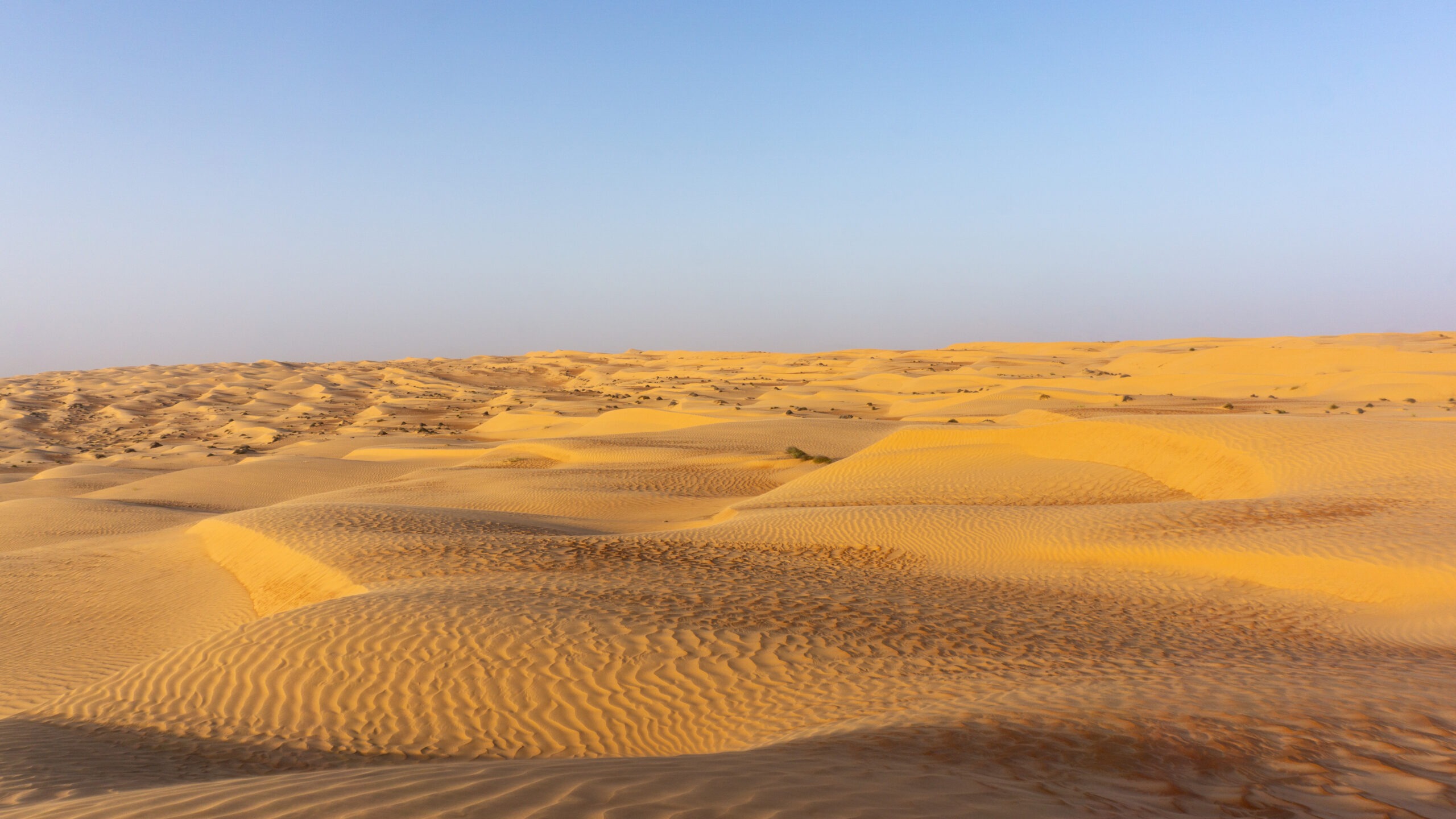
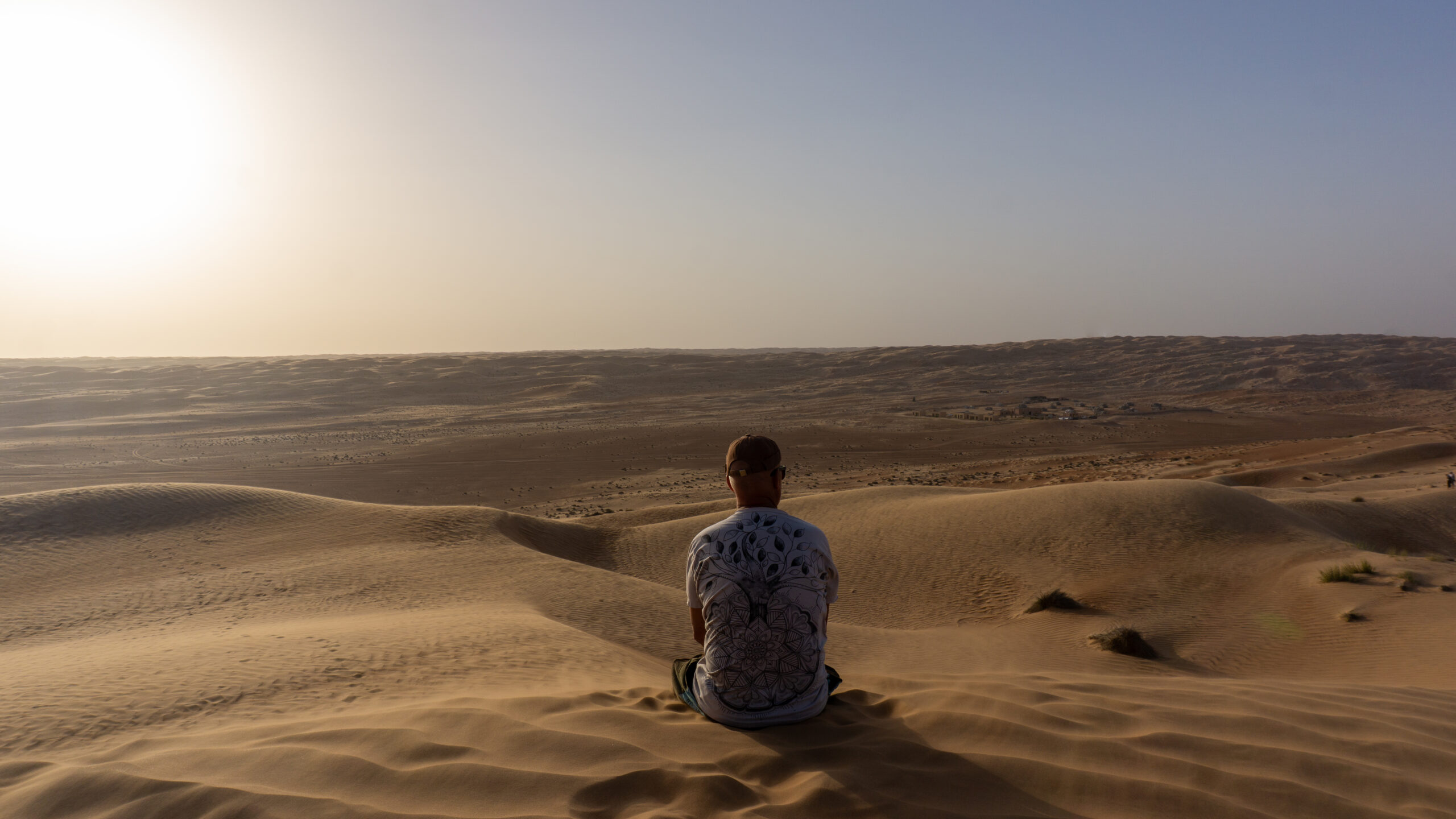
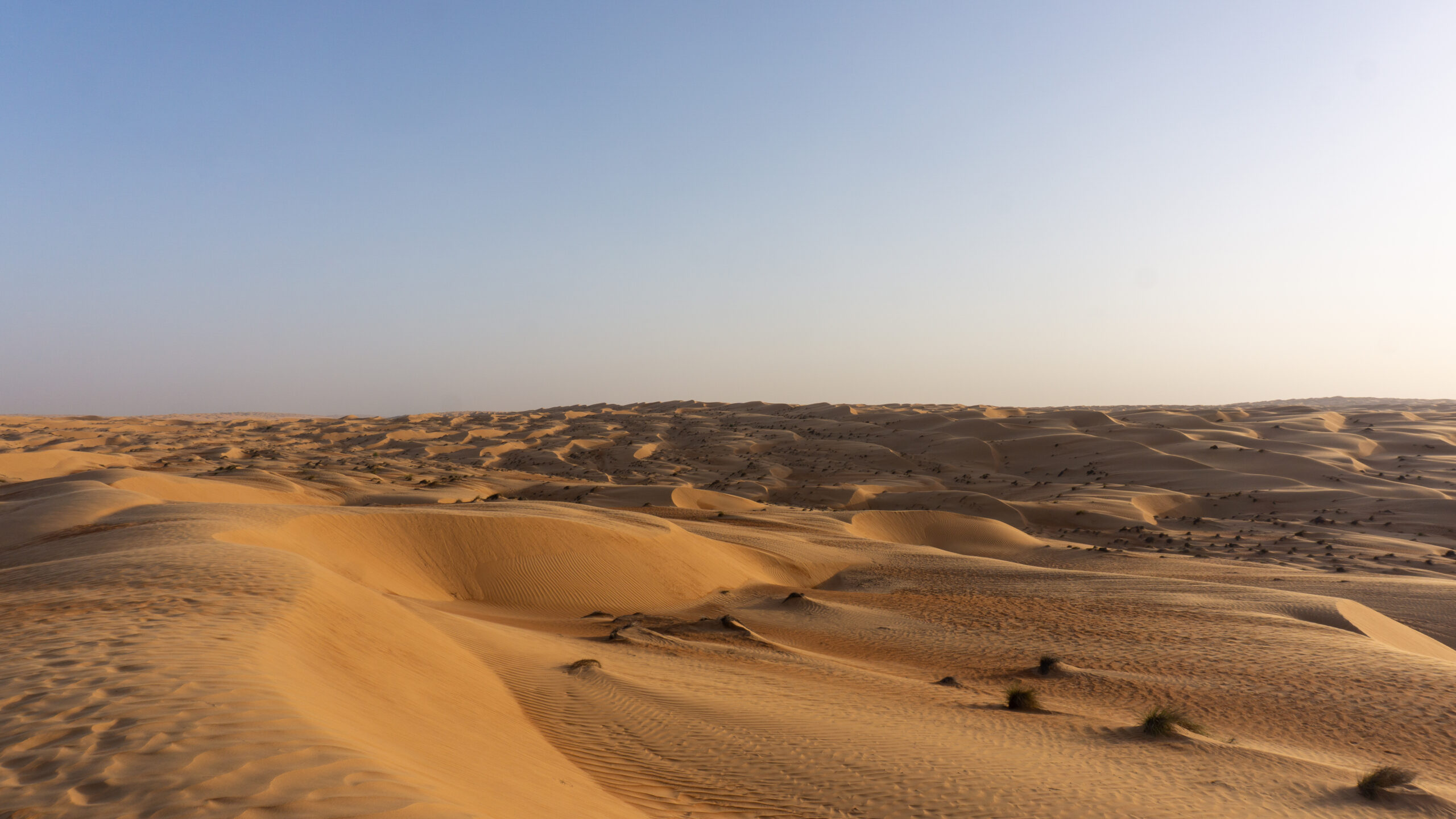
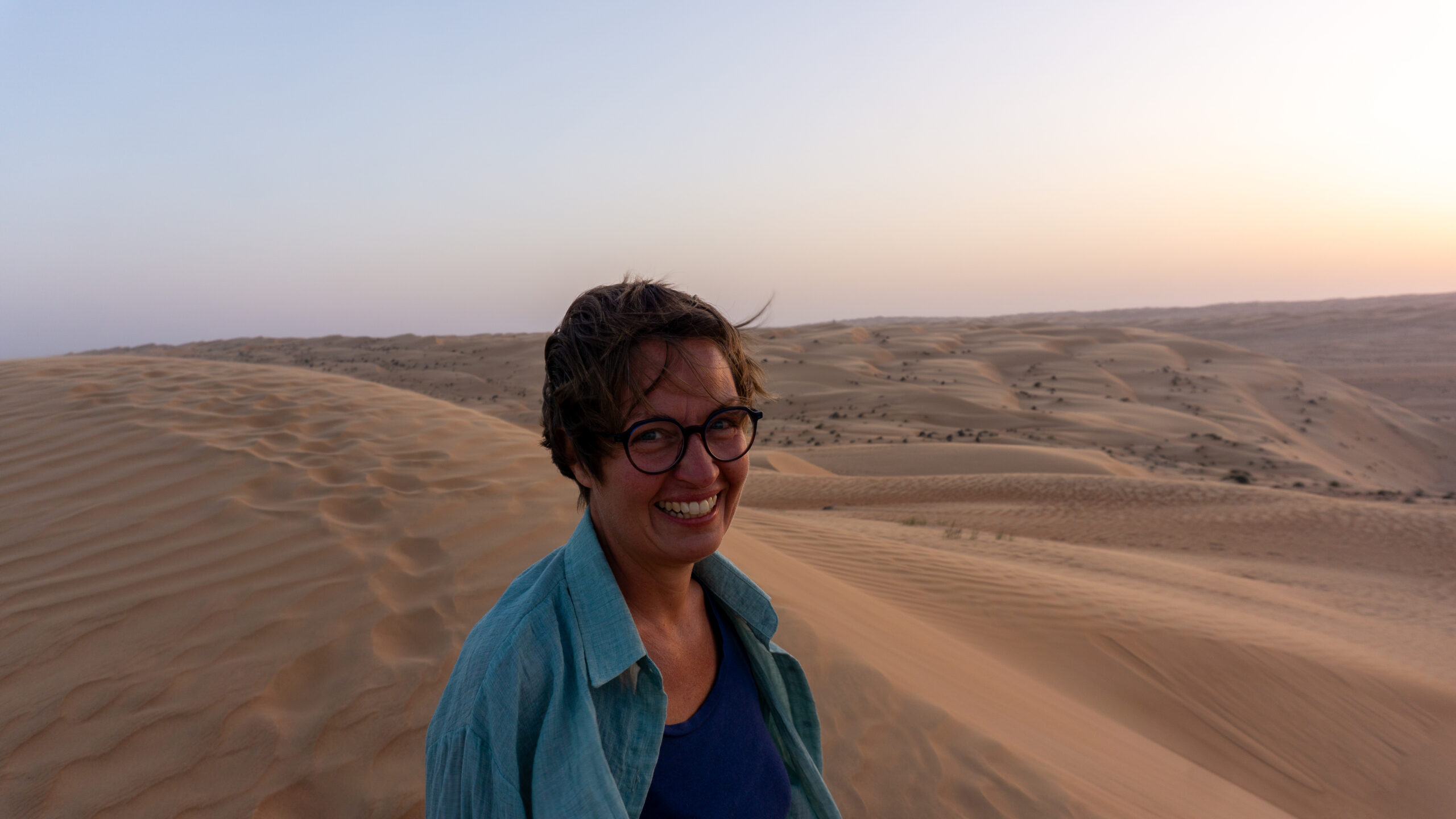
Our first night in the desert was great. Not much light pollution – when we got up for a pee at night we had a great view of the starry sky (each on our own, of course). We got up early, because we wanted to catch the sunrise too. We watched the great spectacle from a lovely spot. We walked a bit more through the dune landscape and finally visited our house camels. One young camel had been born just 8 days earlier. All the other guests – most only stay one night – left the camp and left us behind. Wonderful peace and quiet set in, and we relaxed in the common room with coffee, water and tea. Around 1 pm Emanuelle served us lunch for 2 – great. In the afternoon the next guests trickled in. In the late afternoon we headed into the dunes again for the sunset. This time a bit further and higher, unfortunately without camels. Great scenery. Back to the camp and on with the evening programme. A very nice couple from Sweden joined us, and we had dinner together and swapped travel stories and Oman experiences and tips. It was a real pleasure, Ann and Magnus – we’d love to come and visit you sometime. We took the next day easy: sleeping in and then off to breakfast. Ann and Magnus were there again too. Around 10 am it was time to leave for Nizwa. A great first desert experience, even if it’s only a small desert.
Facts about the desert from AI
The Wahiba Sands (also Rimal Al Wahiba or A’Sharqiyah Sands) is a sand desert of about 10,000 to 15,000 km² in the east of Oman. It’s known for its golden-yellow to reddish-brown longitudinal dunes up to 100 metres high and is home to Bedouin tribes.
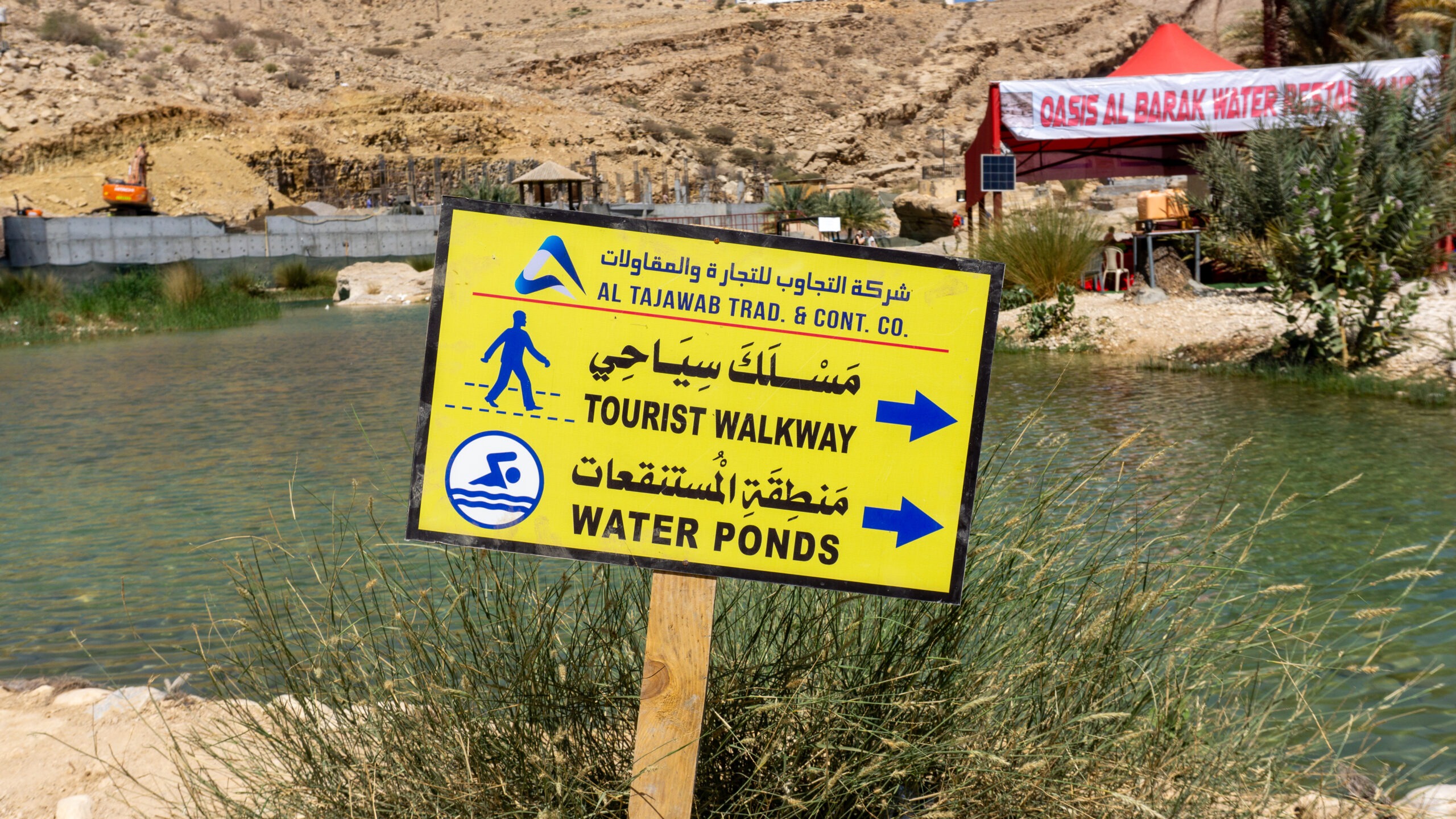
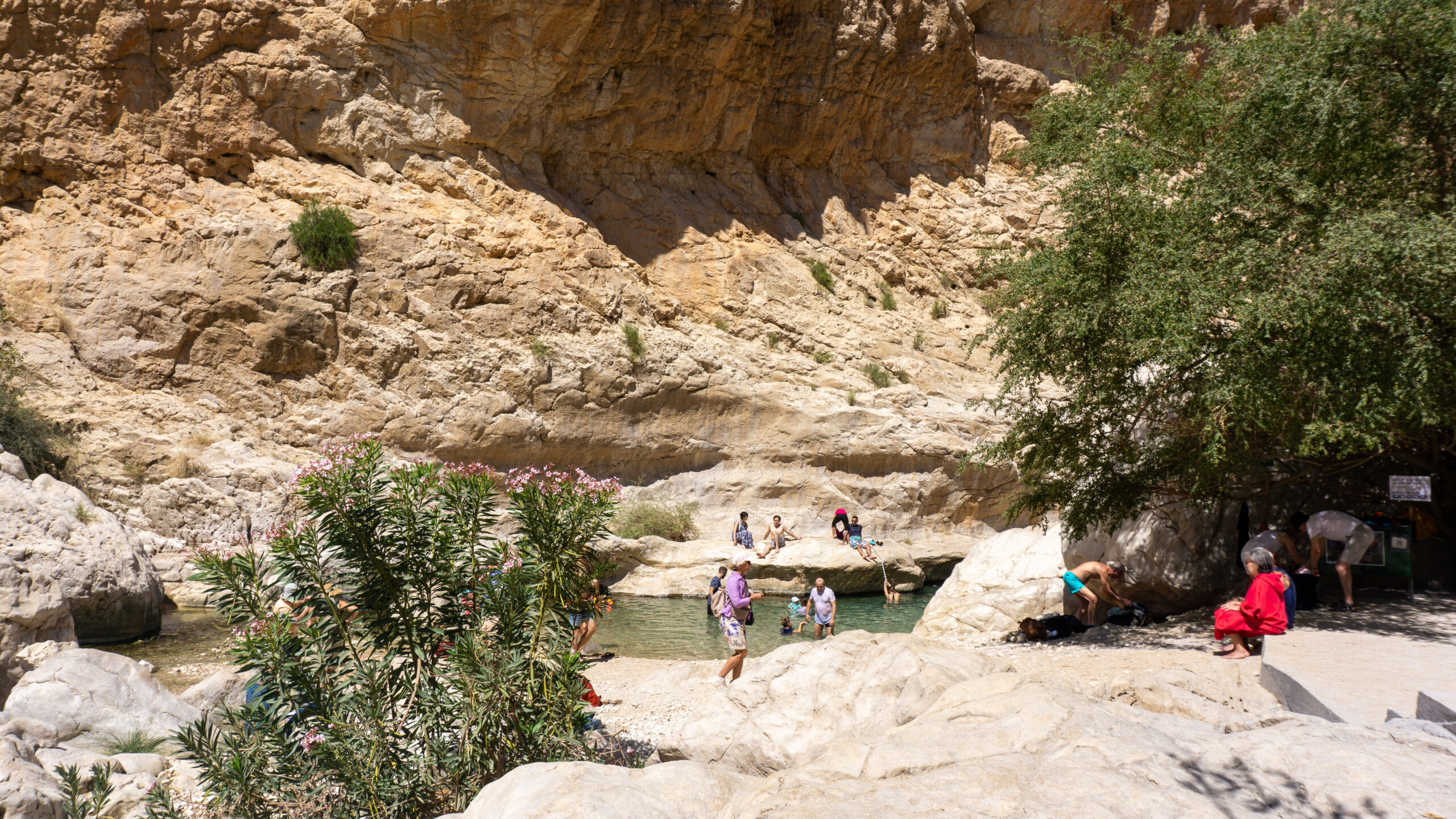
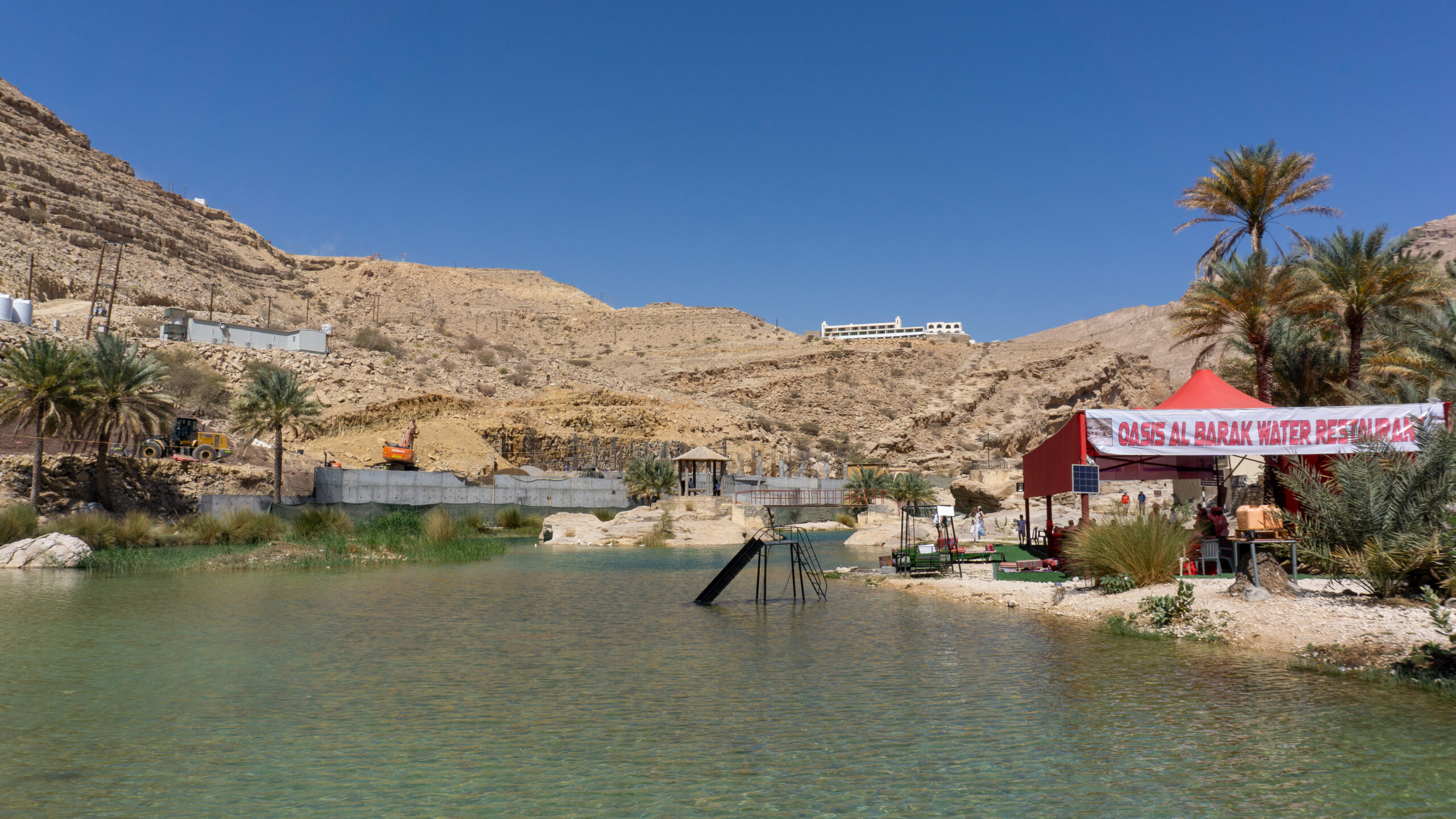
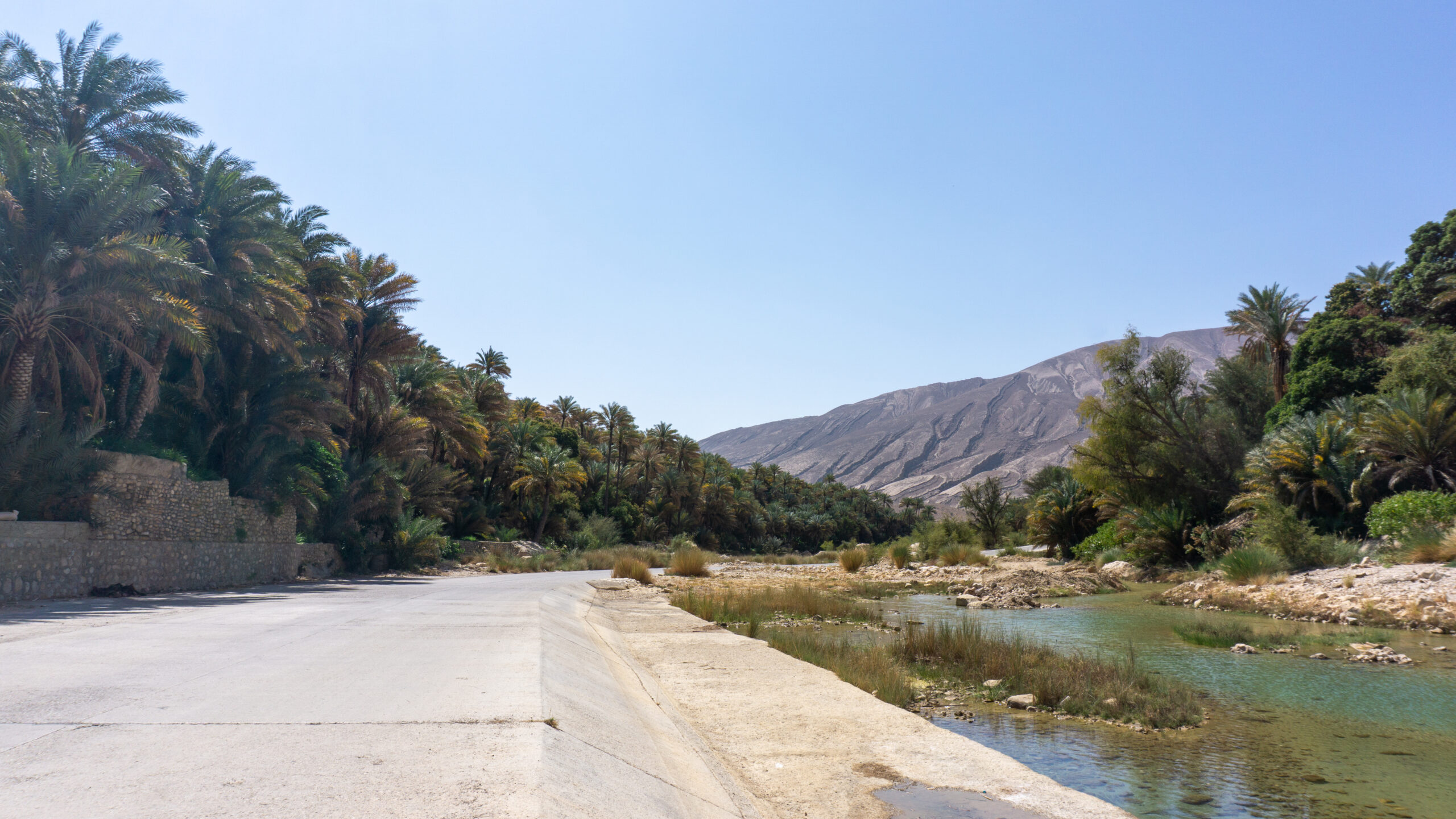
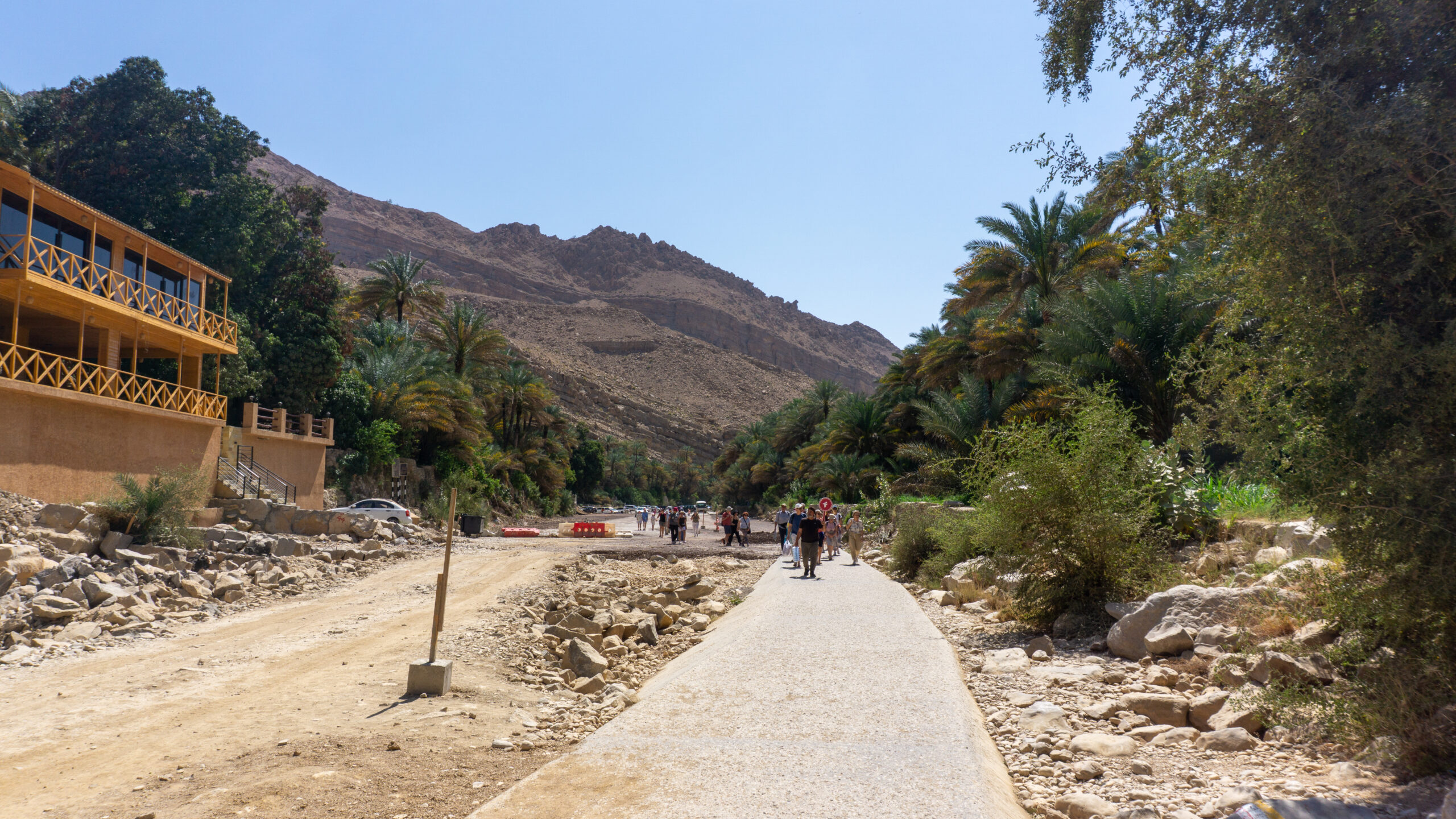
We leave our place early, because we have quite a bit on the list today. First up is Wadi Bani Khalid. The tour management (that’s us) had already warned: according to our research, Wadi Bani Khalid is supposed to be pretty touristy. Already on the drive to the car park, lots of signs suggested that this wadi probably isn’t our thing. Never mind, we’ll take a look for ourselves. Super infrastructure, and very easy to reach for families, older people (do I already count?) and people with disabilities. The path to the wadi doesn’t lead over slippery stones or rocks but along a concrete path and through a huge construction site. Stairs take you to the cool water without any further effort. In our opinion that has nothing to do with nature anymore – the scenery reminds us more of an amusement park or an outdoor pool. There’s construction everywhere, it’s loud and full of tourists. We’d love to jump into the water, but this isn’t for us. We set off for wadi number 2 (Wadi Hawer), only a few kilometres away. Here we find a completely different picture, even though it’s just around the corner from the previous wadi.
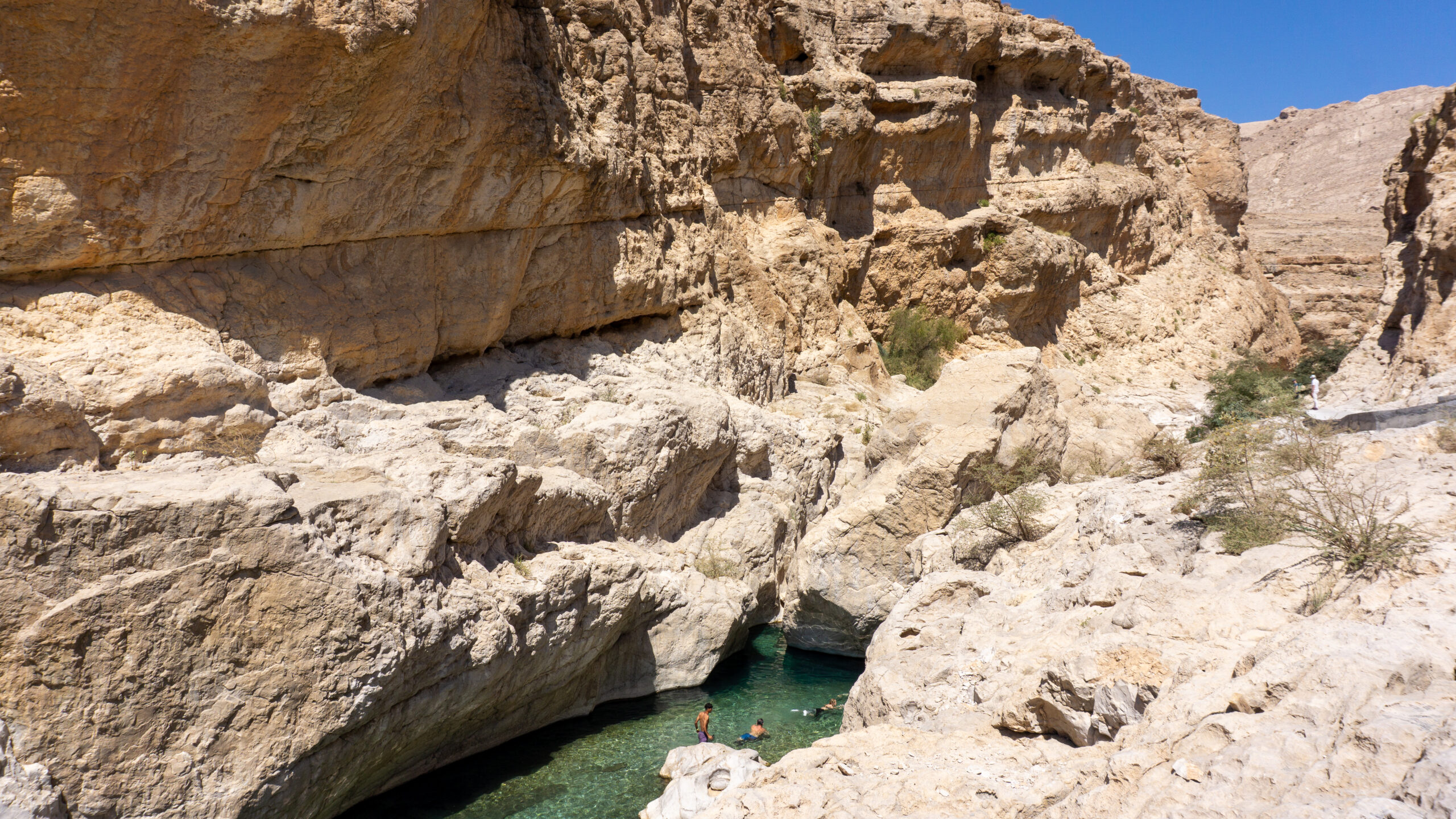
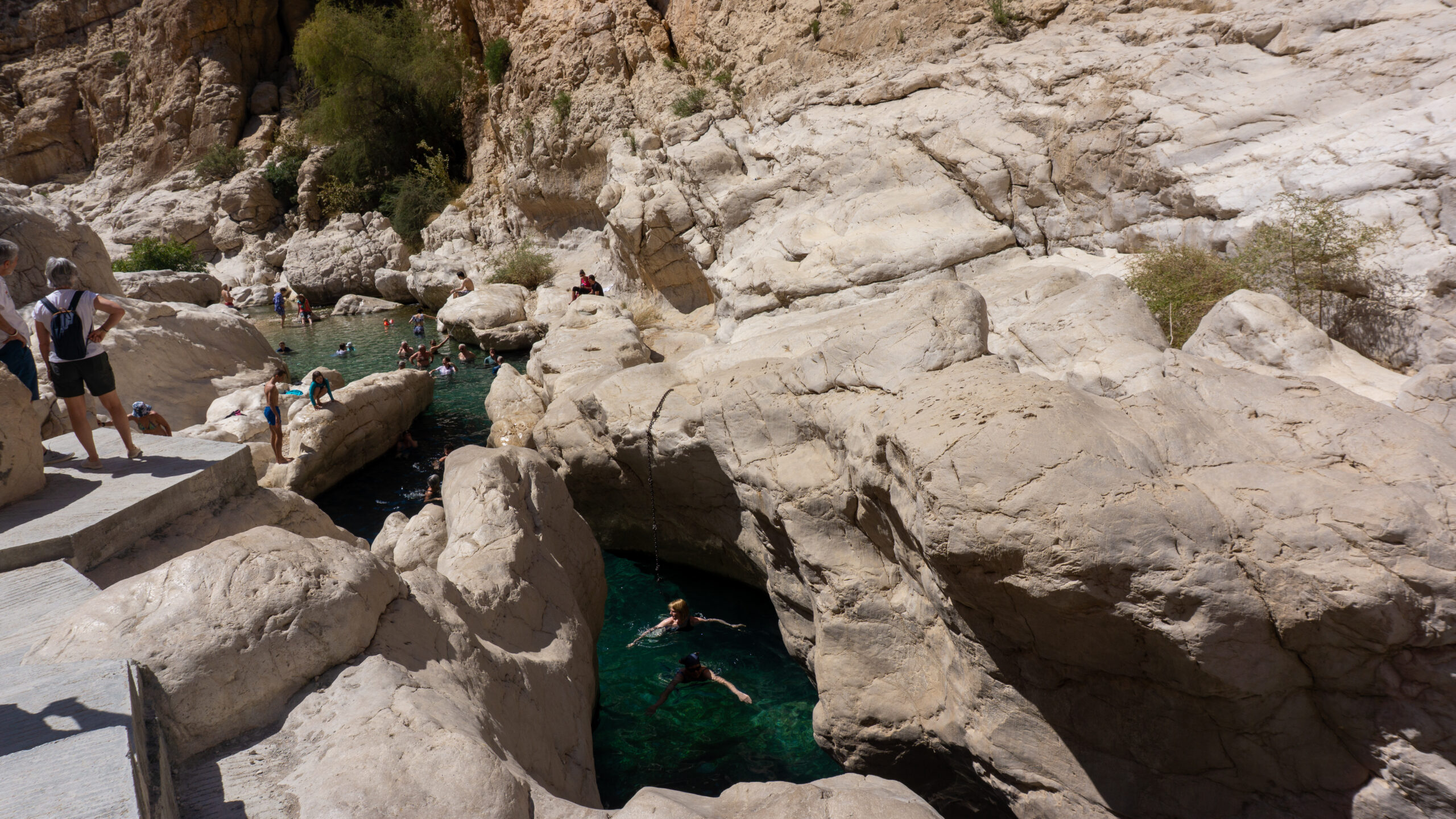
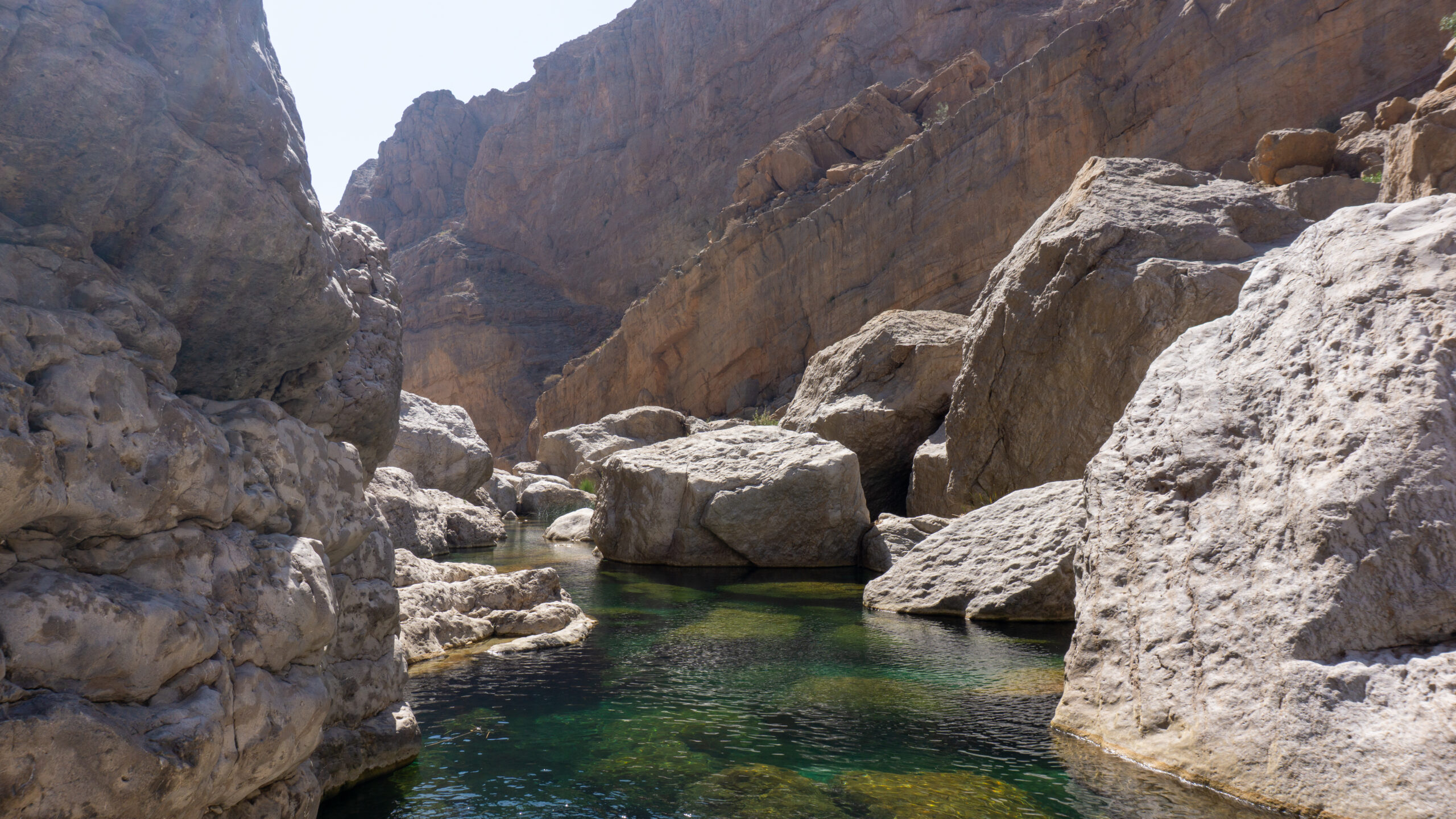
We park our car somewhere and walk the last few metres to the wadi. On the way we have a quick chat with a Czech family – the dad drove through Africa to Oman by car and the family is visiting him in Oman – and then we stroll on to the wadi. We spend some time by the water and enjoy the peace and quiet. Unfortunately we don’t have time to go further into the wadi. Hard to believe, but today we’re a bit pressed for time, because we have an appointment in the afternoon. Today we’re heading into the desert for two days. We decide to come back here after our stay in the desert.
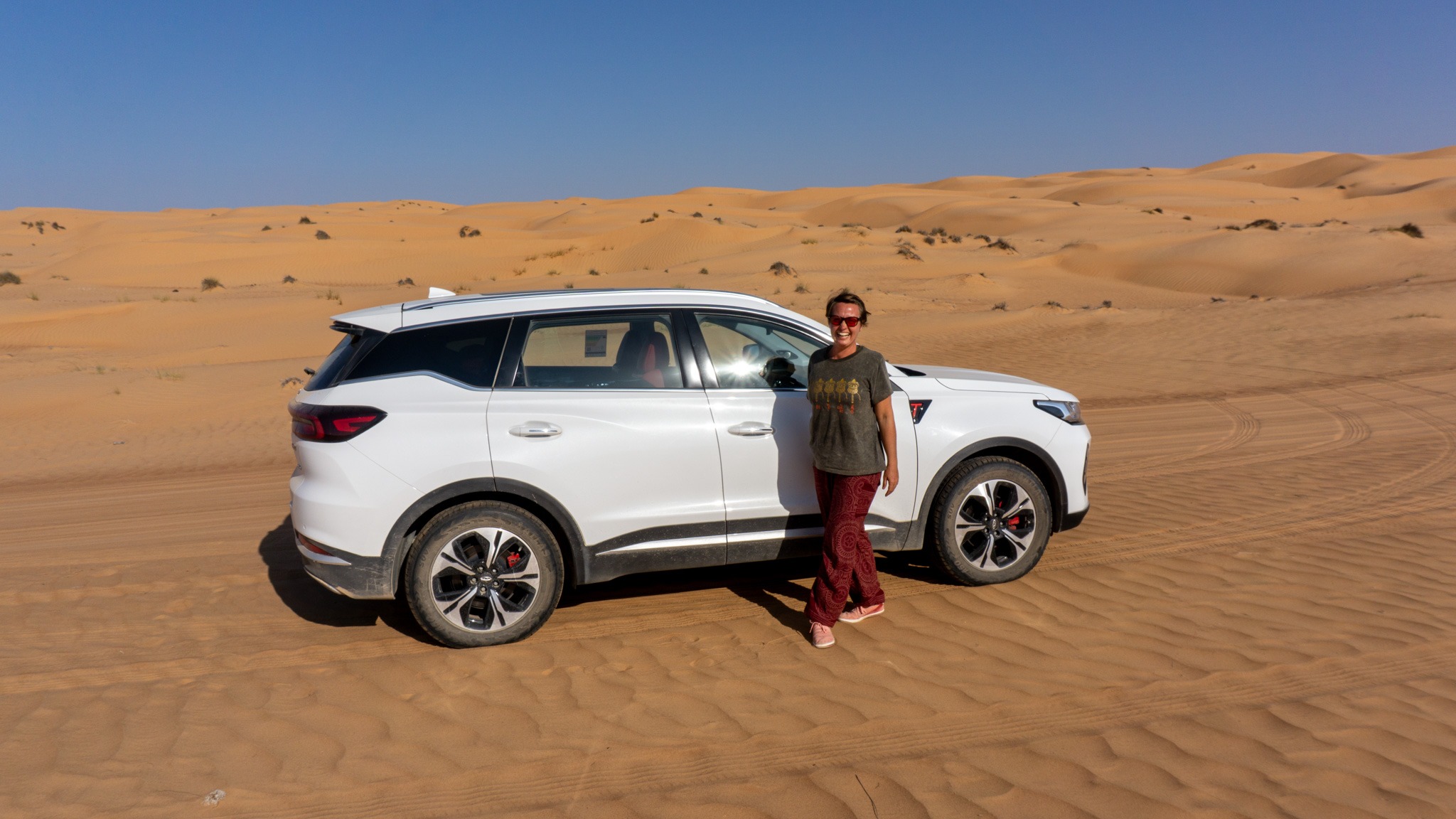
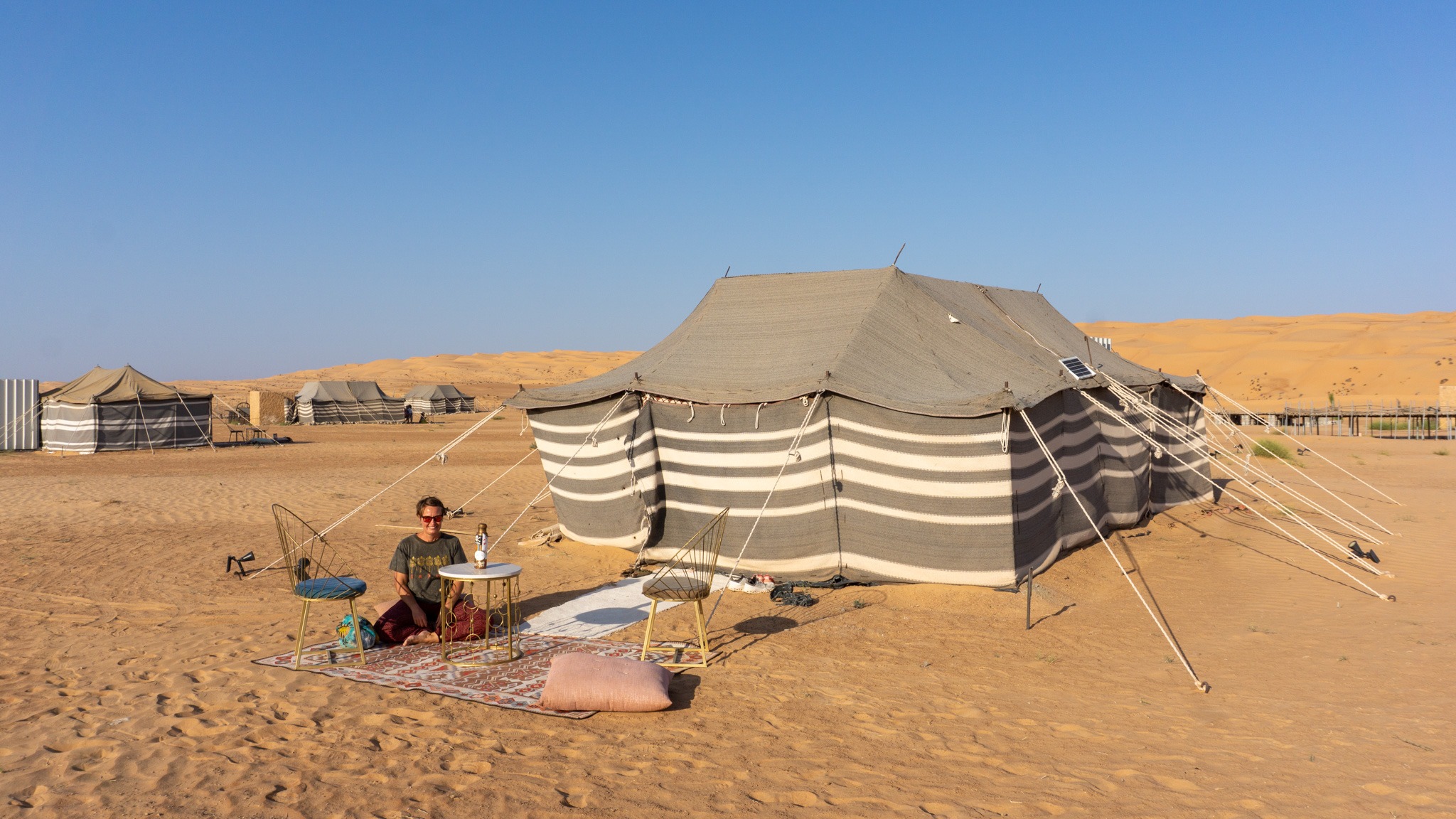
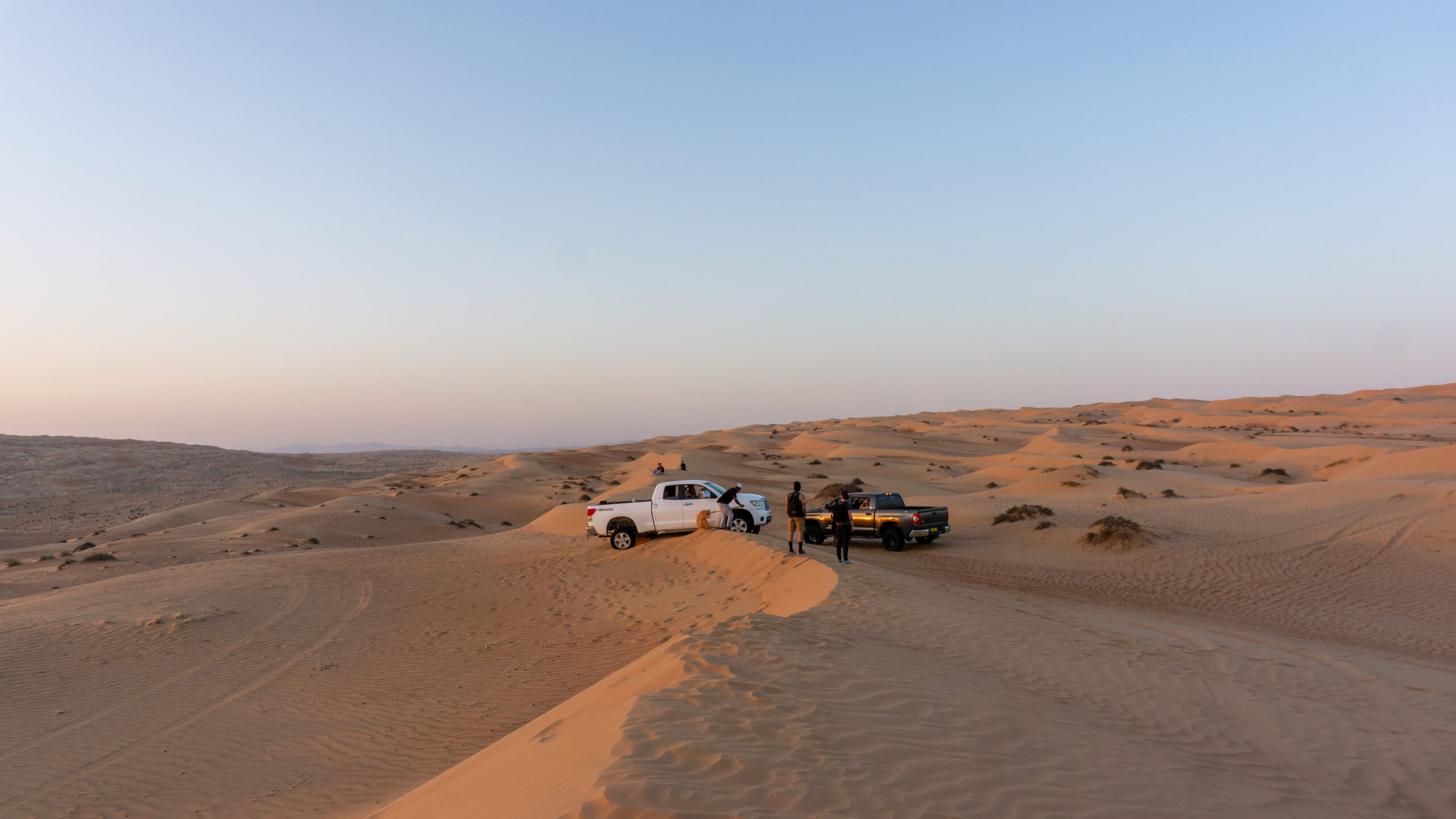
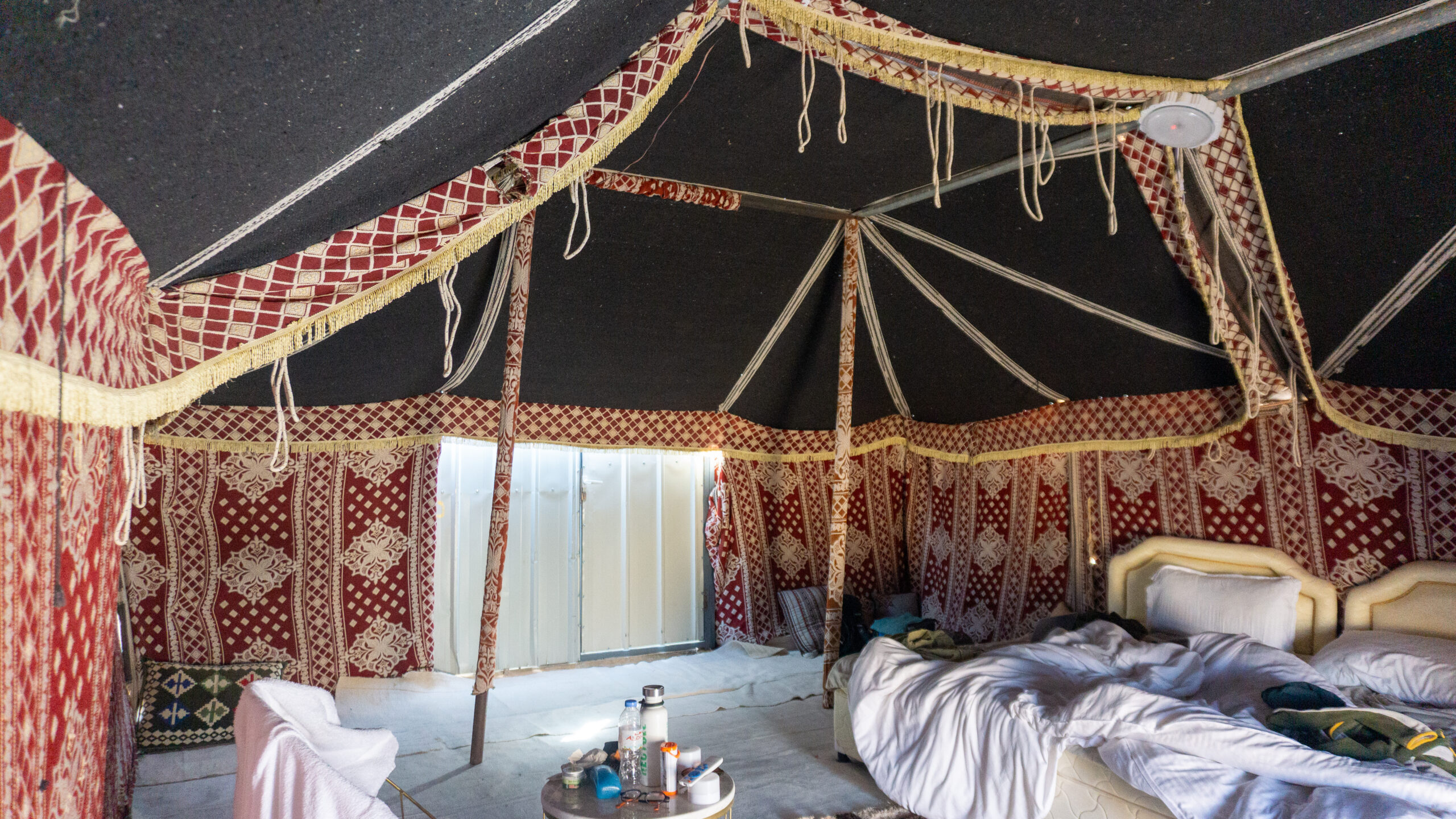
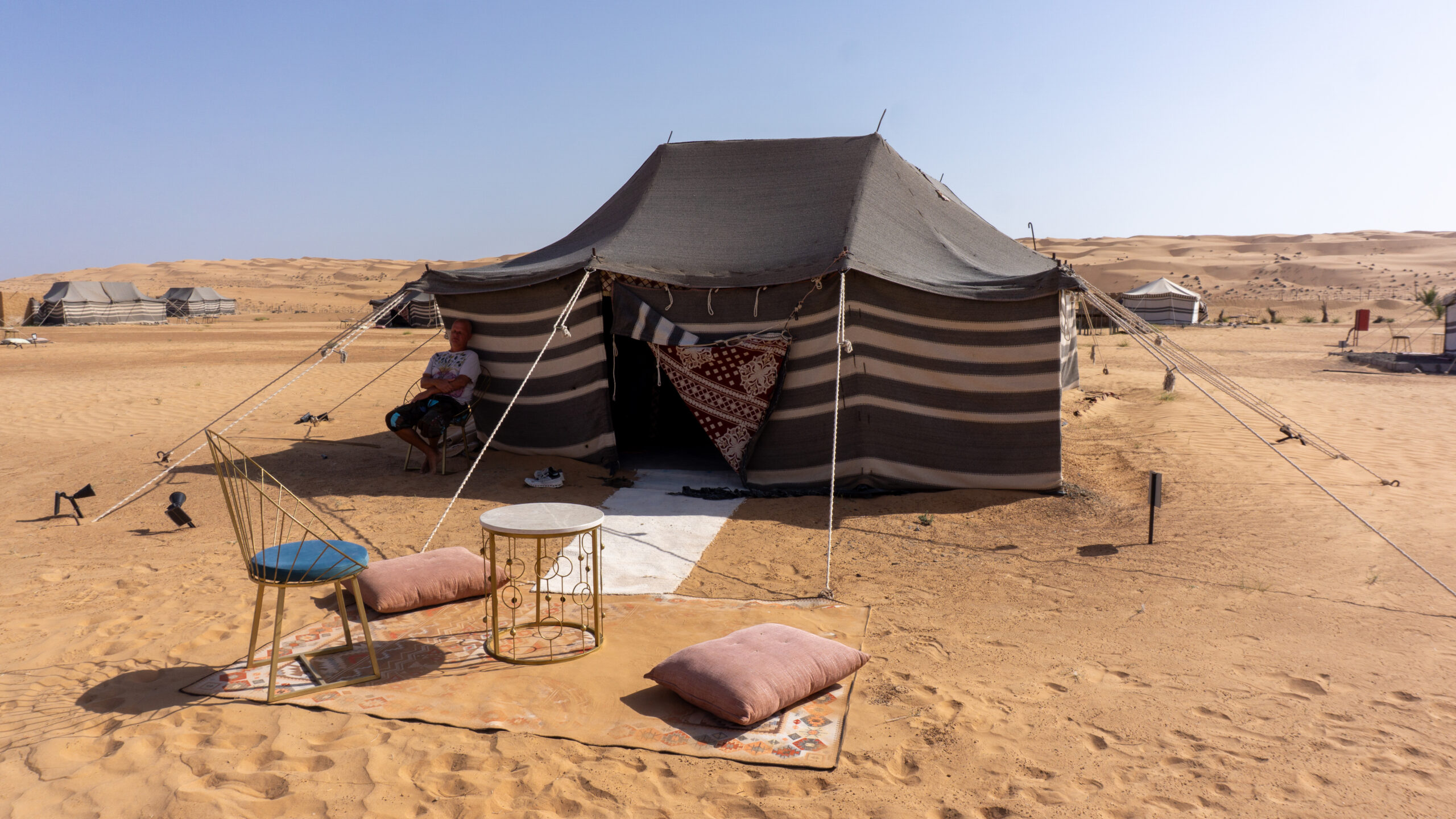
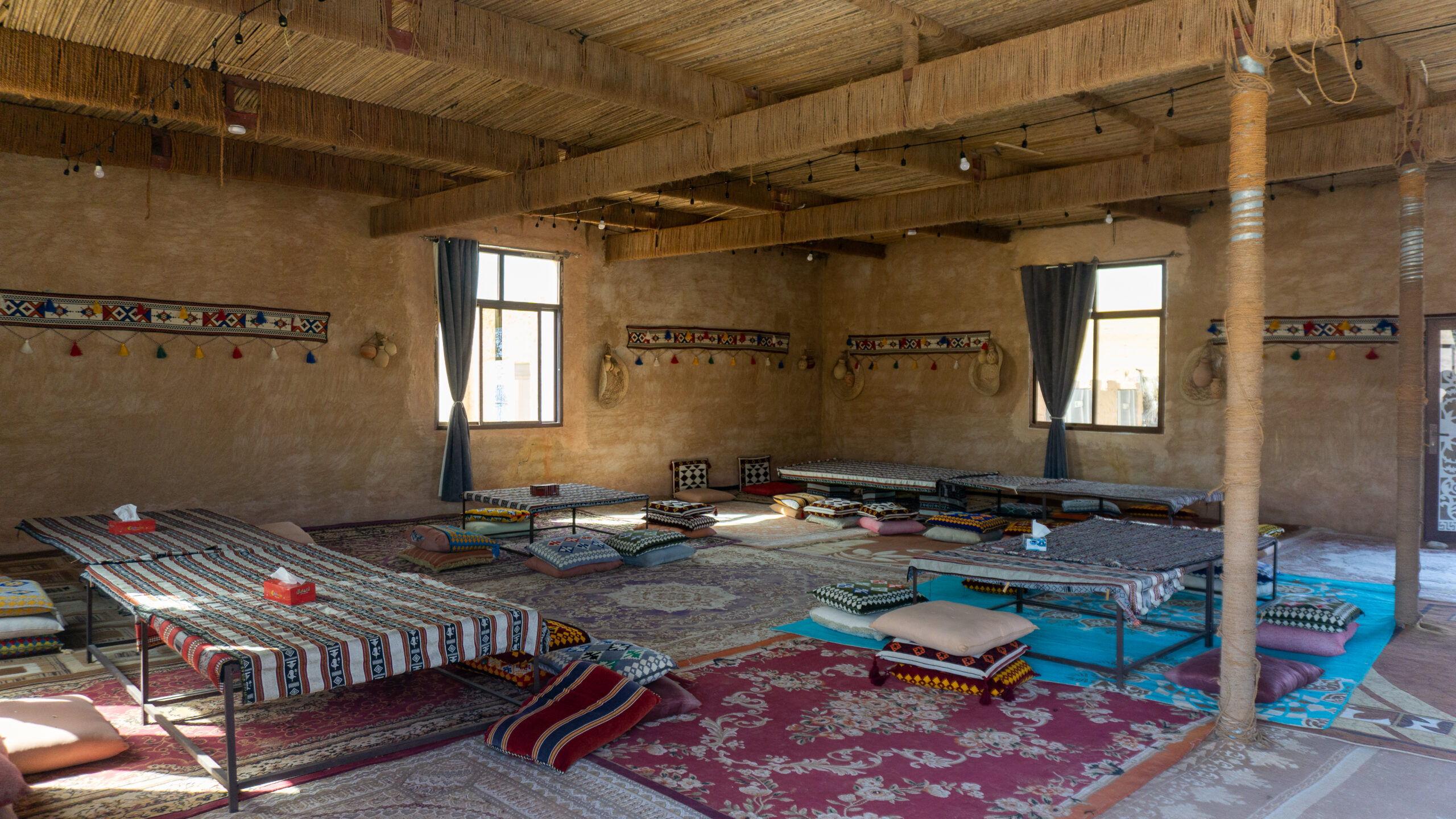
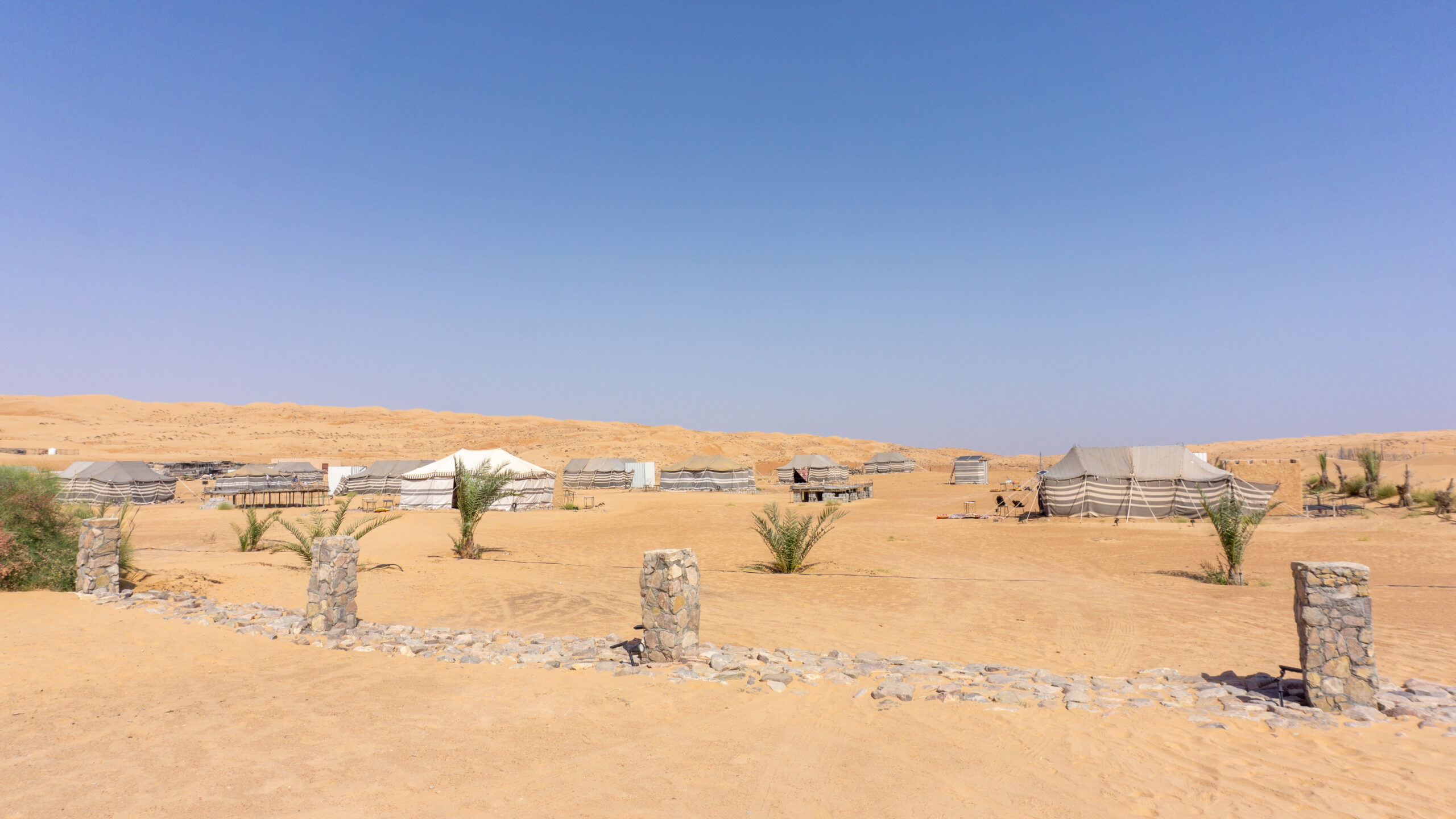
We’ve booked 2 nights in the Wahiba Sands desert. Meeting point at 3:30 pm at the edge of the desert, because we don’t dare to do it without expert company. After all, it’s our first desert experience. At the meeting point we’re welcomed very warmly by an Omani and his helpers. Not for the first time – right after the friendly welcome – it’s straight on to the money. No problem, it reminds us of our time in South Korea. For better grip in the sand, air is let out of the tyres. The car then doesn’t drive but floats on the sand. We’re excited and off we go. Our “guides” drive ahead and we follow. An Italian group goes off the track and immediately gets stuck in the sand. We’d rather keep going and park a bit further on firm ground. The Italians get freed by the “guide” and on we go to the desert camp “Desert Wonder”. We’re welcomed very warmly and get tent number 14. Very spacious, a big bed, and the bathroom is a cut-to-size steel OT (“open top”) container (stargazing while you’re on the loo…). In front of the tent there are chairs, a table and cushions, all on a flying carpet – great here. In the mega cosy common room there’s tea and other refreshments. Ramadan is suspended in the desert (at least for tourists). We settle in, relax and look forward to our first walk in the desert – at sunset. It’s great and really fascinating here, MEGA. In the evening a great dinner, and afterwards sitting by the campfire. The full tourist programme, but it’s world class. Photos and video of our stay in the desert: see the separate post “Wahiba Sands” – Good night, John-Boy.